-
Gardens, history, and the stillness left behind
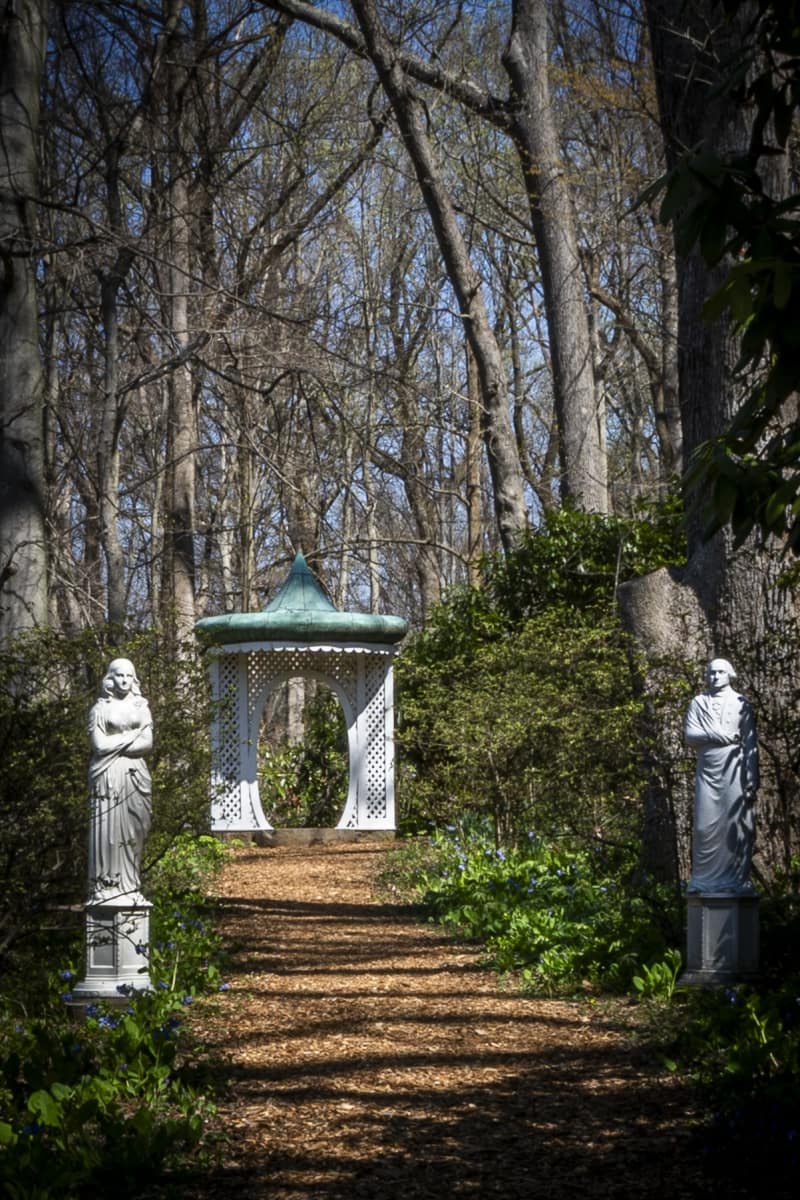
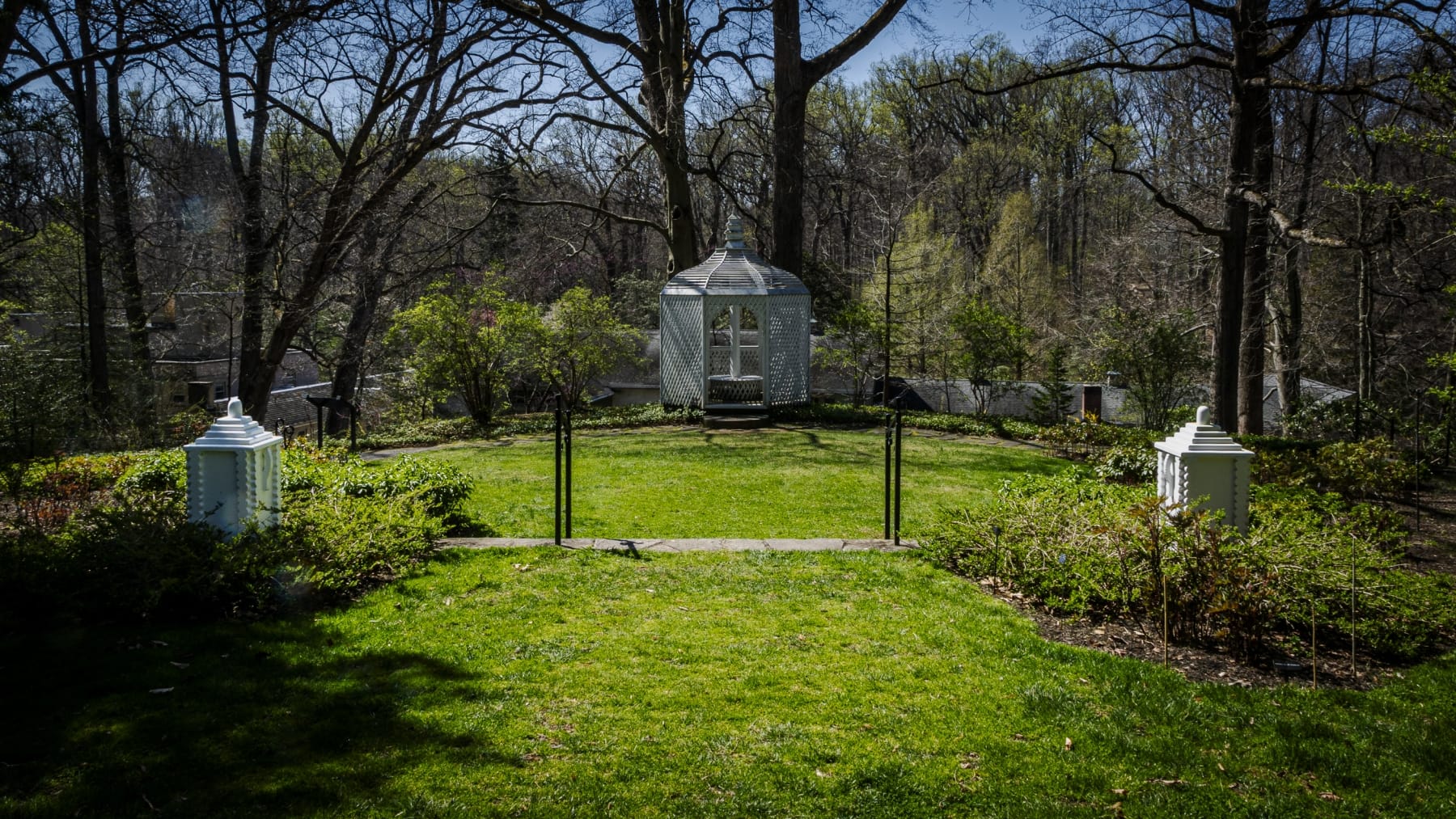
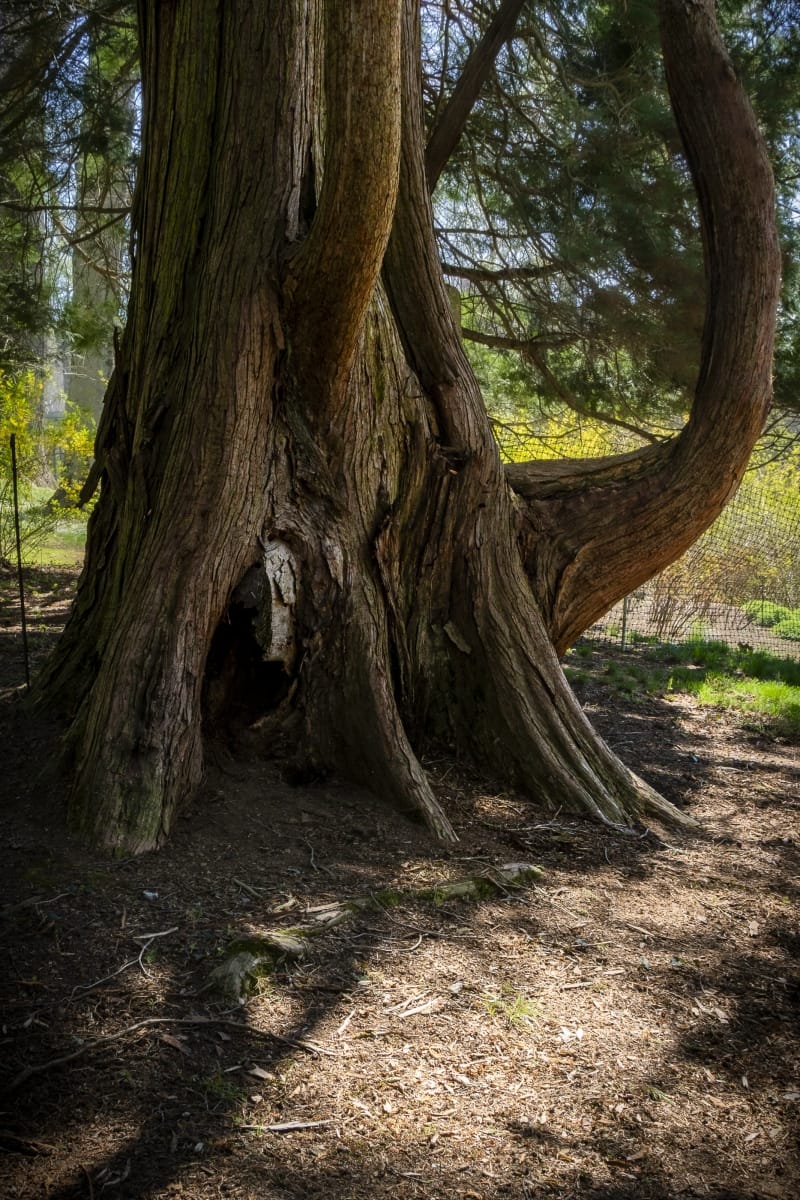
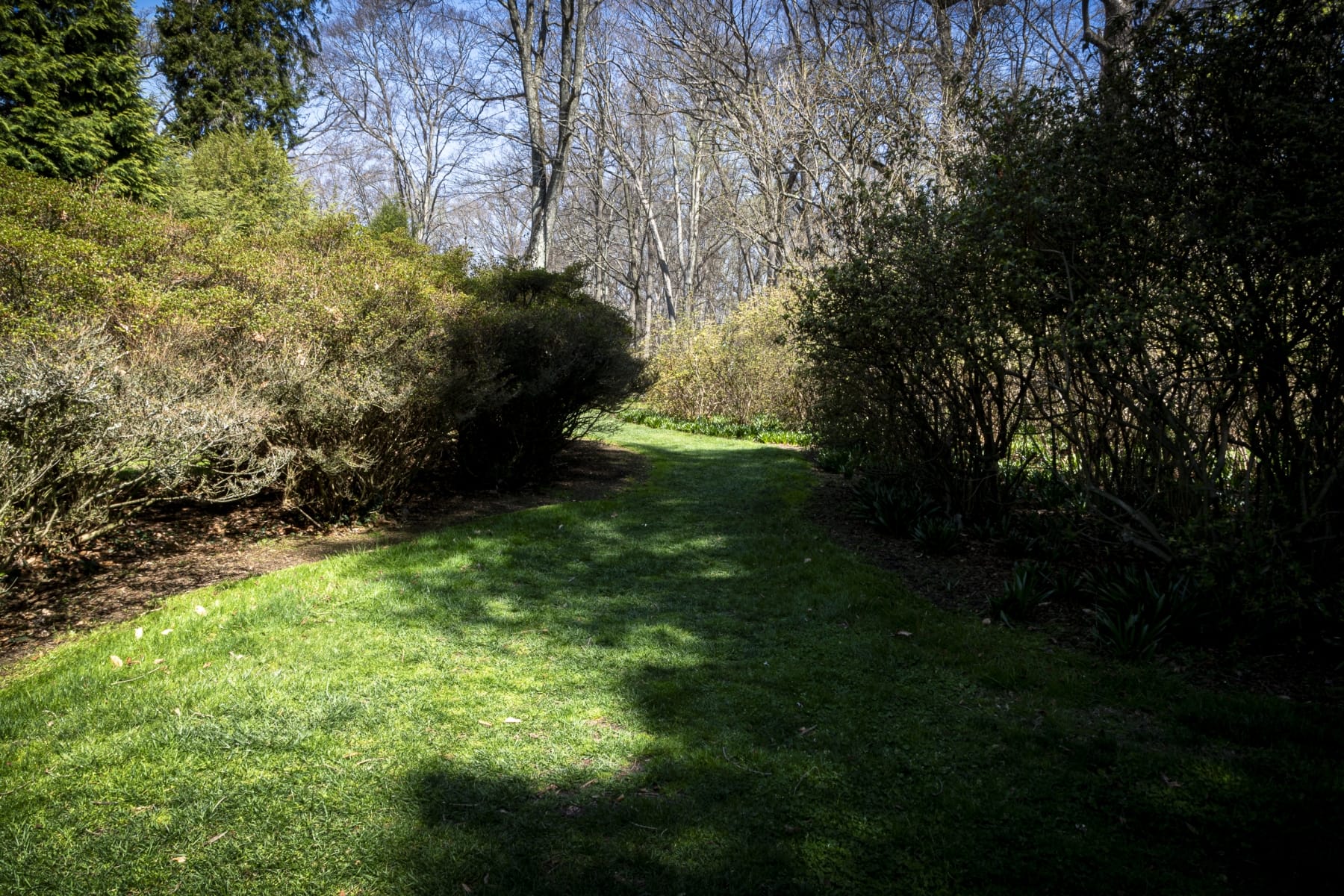
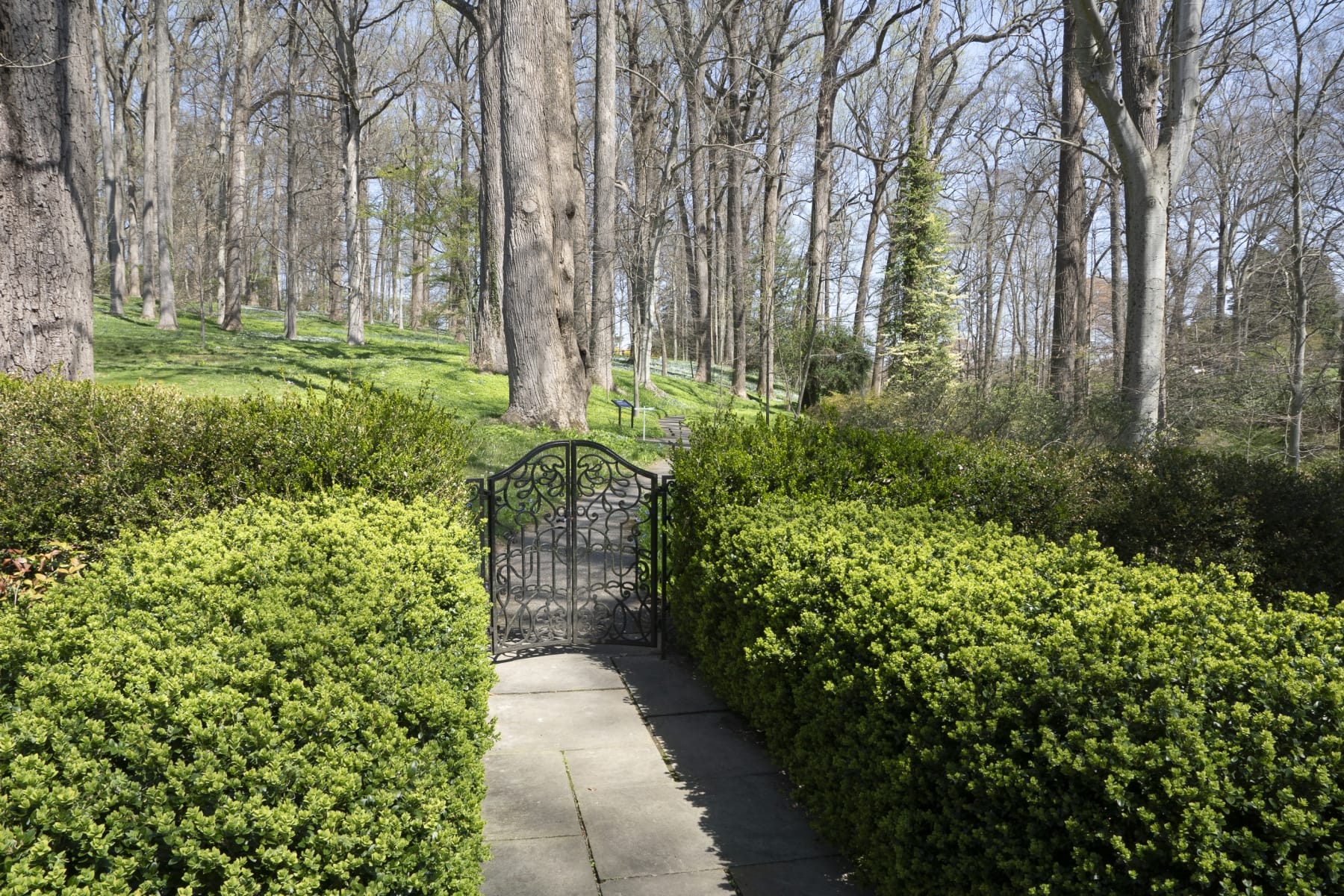
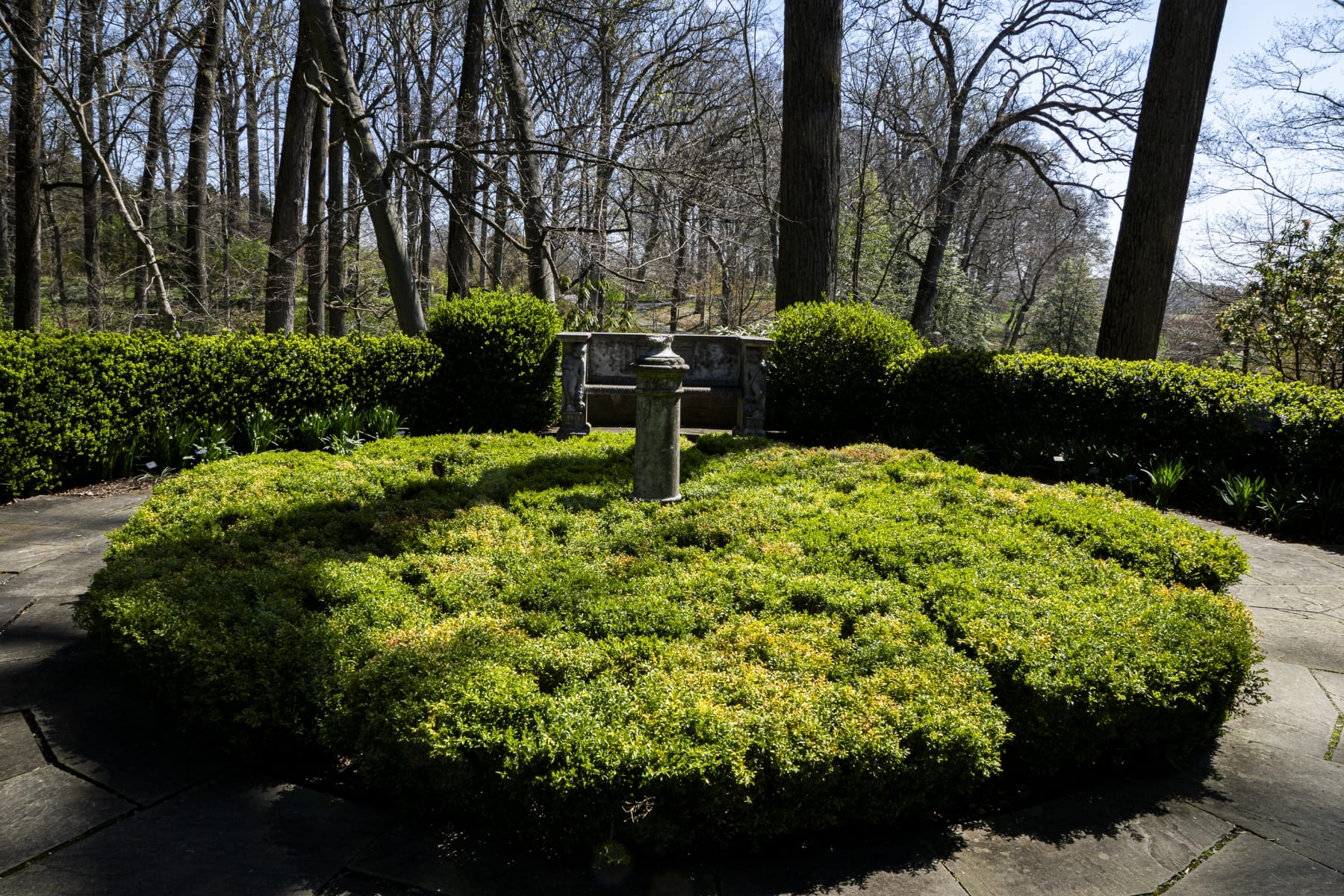
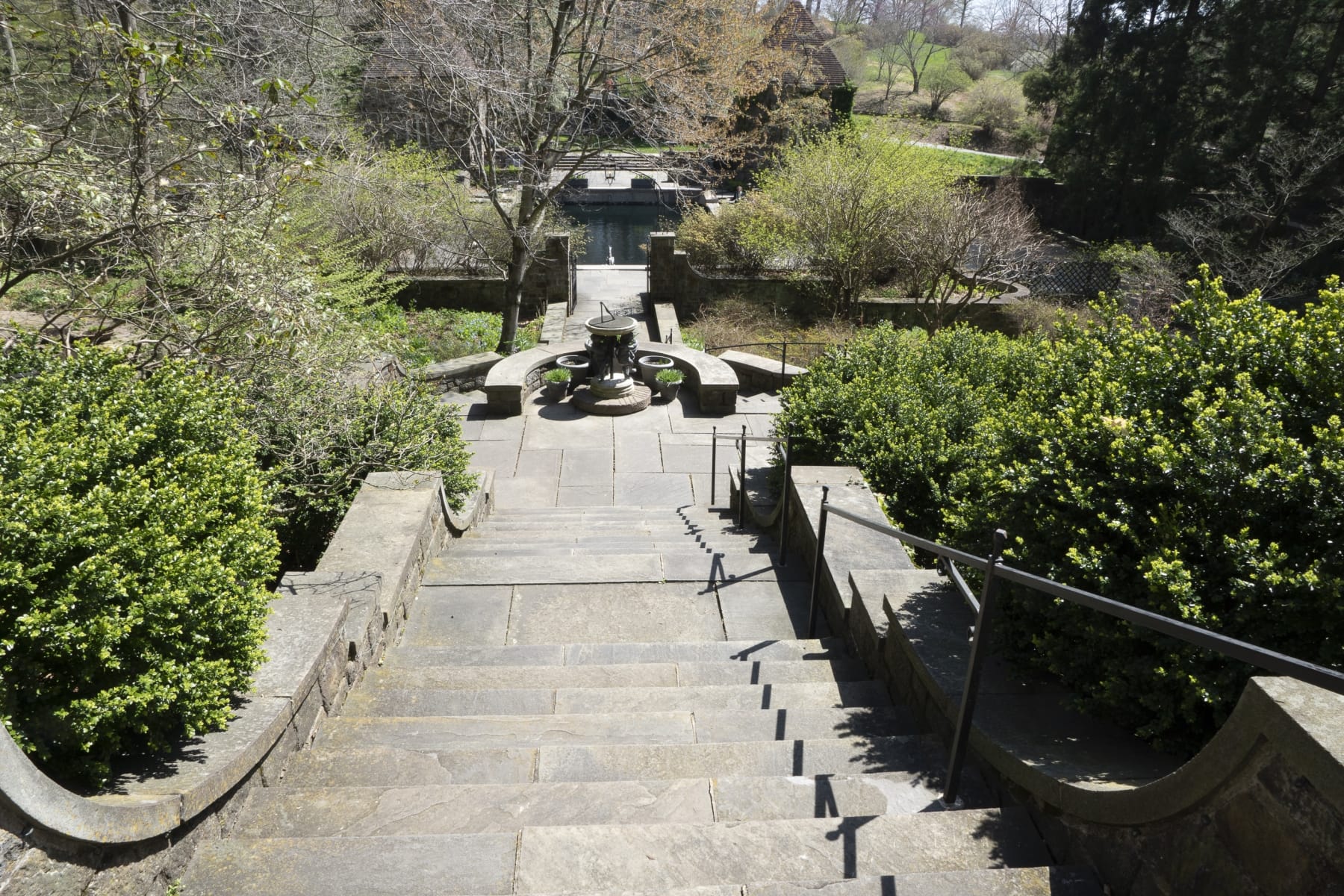
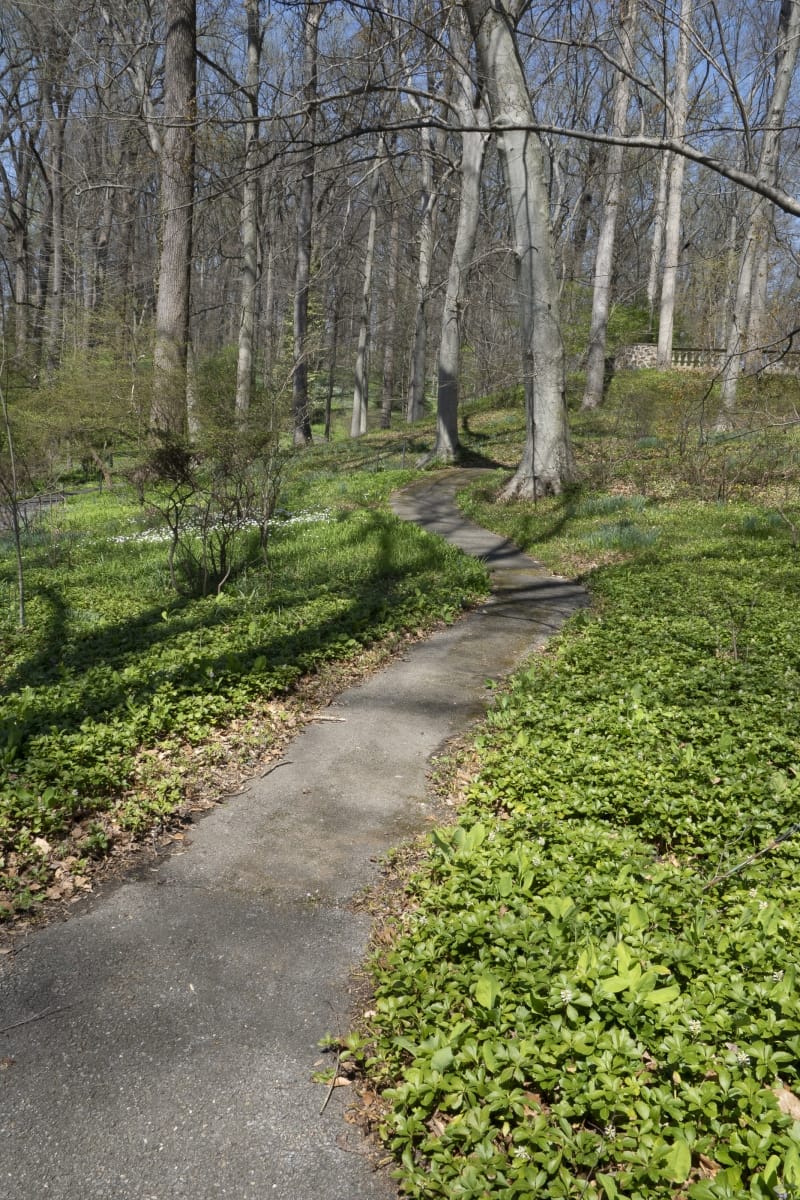
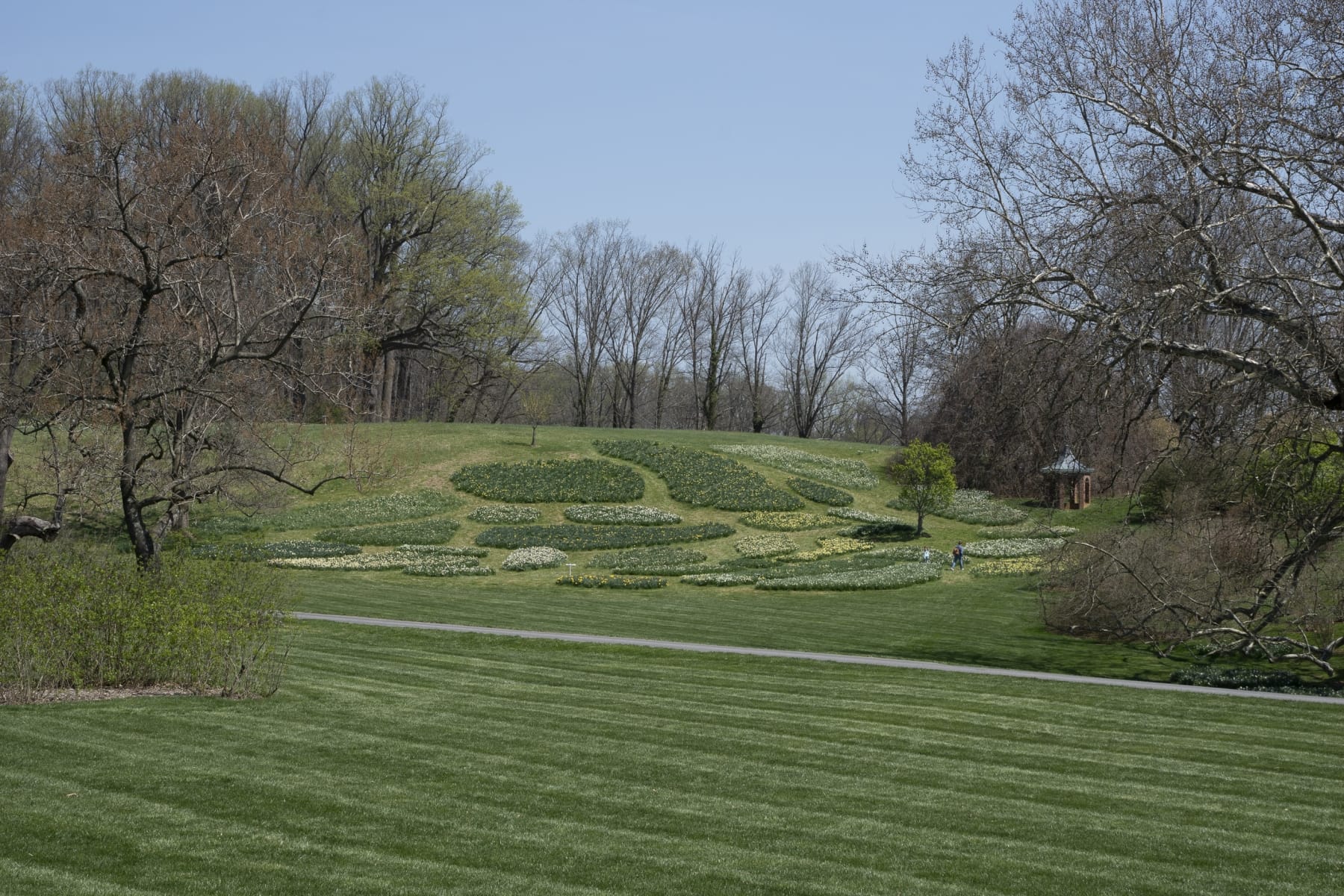
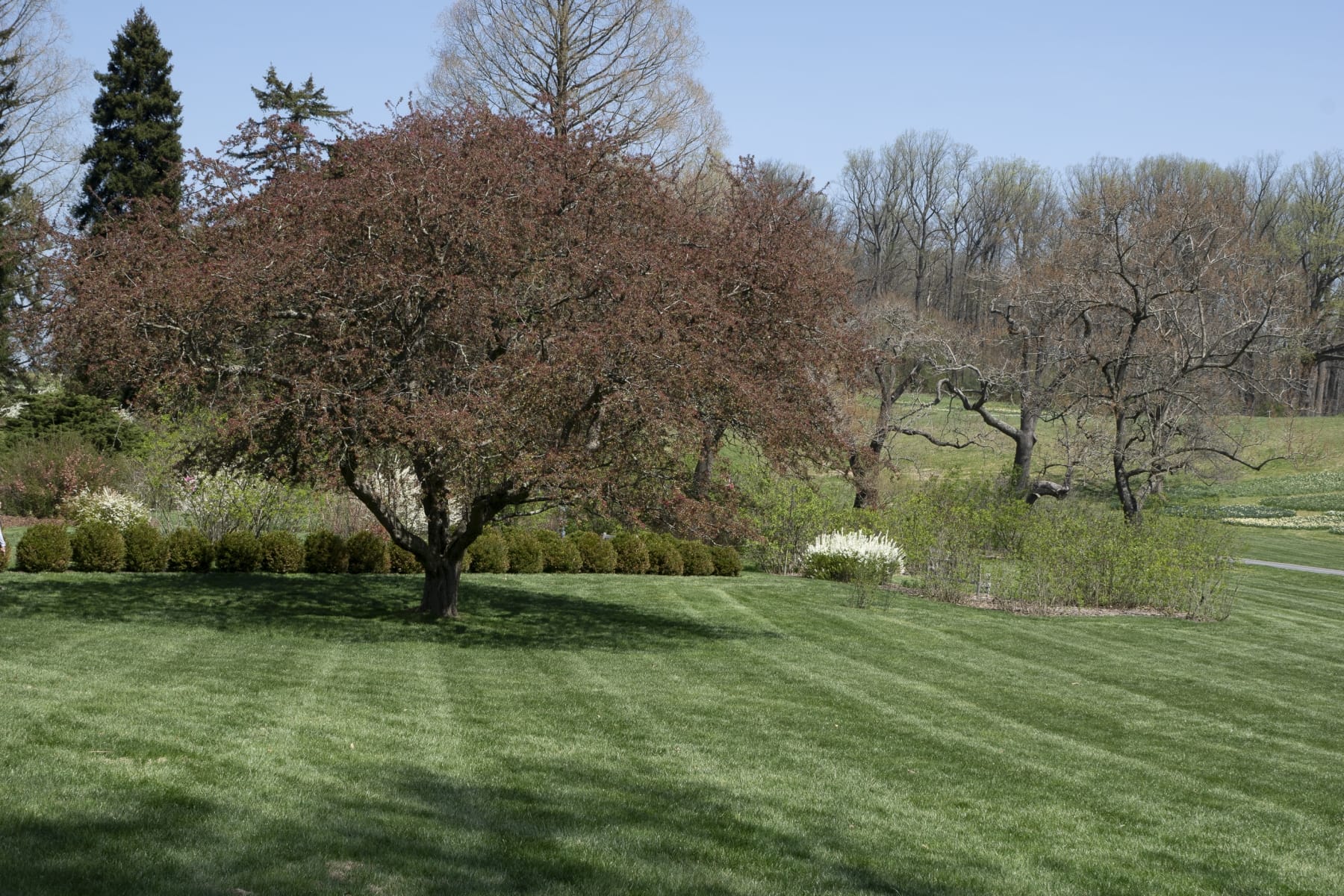
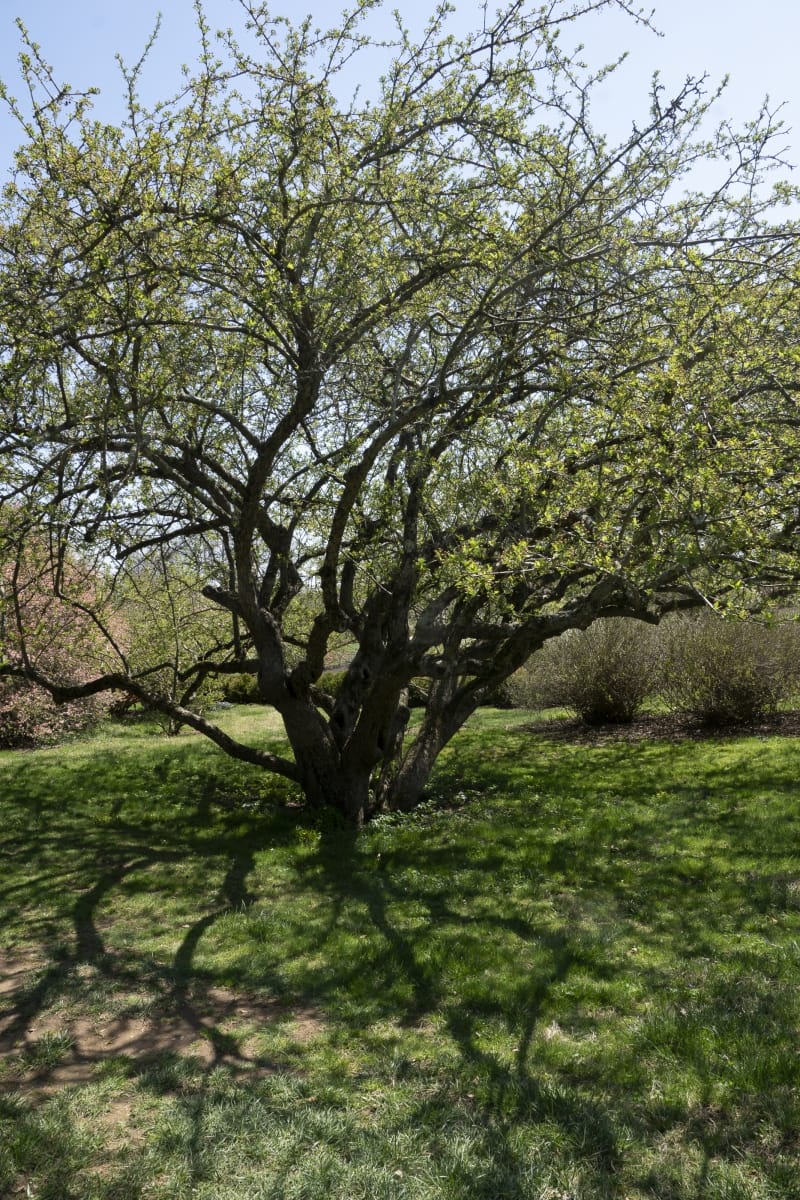
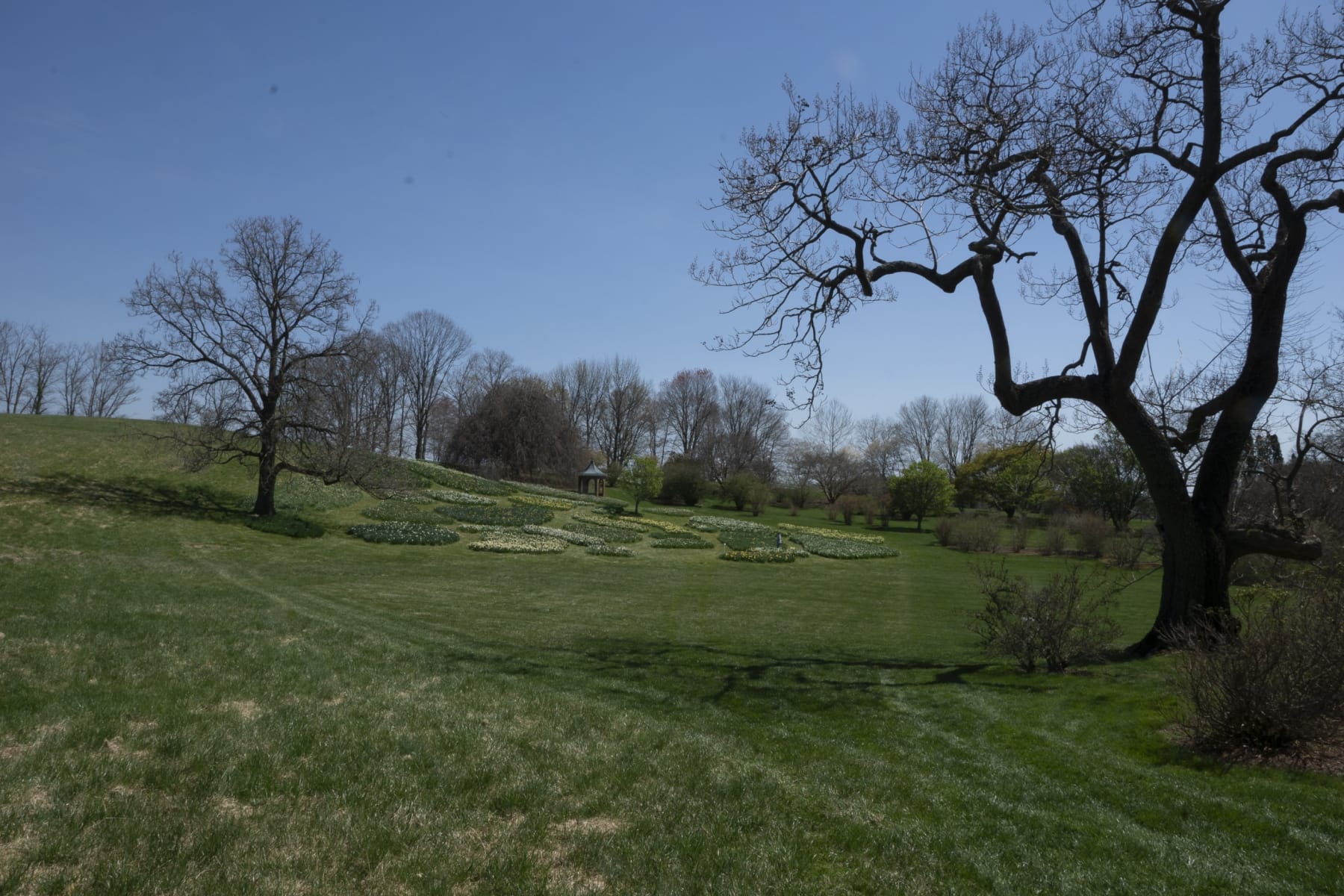
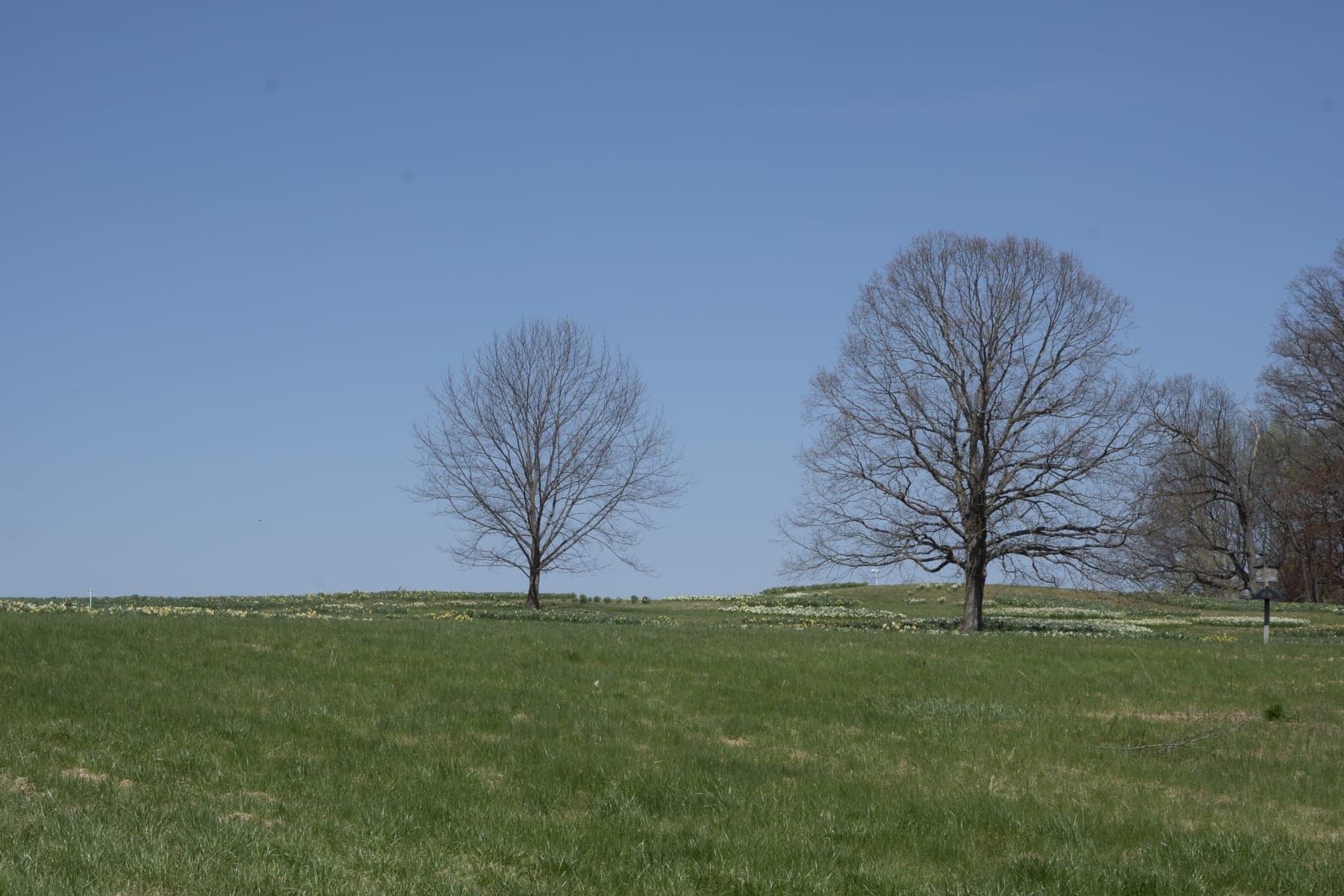
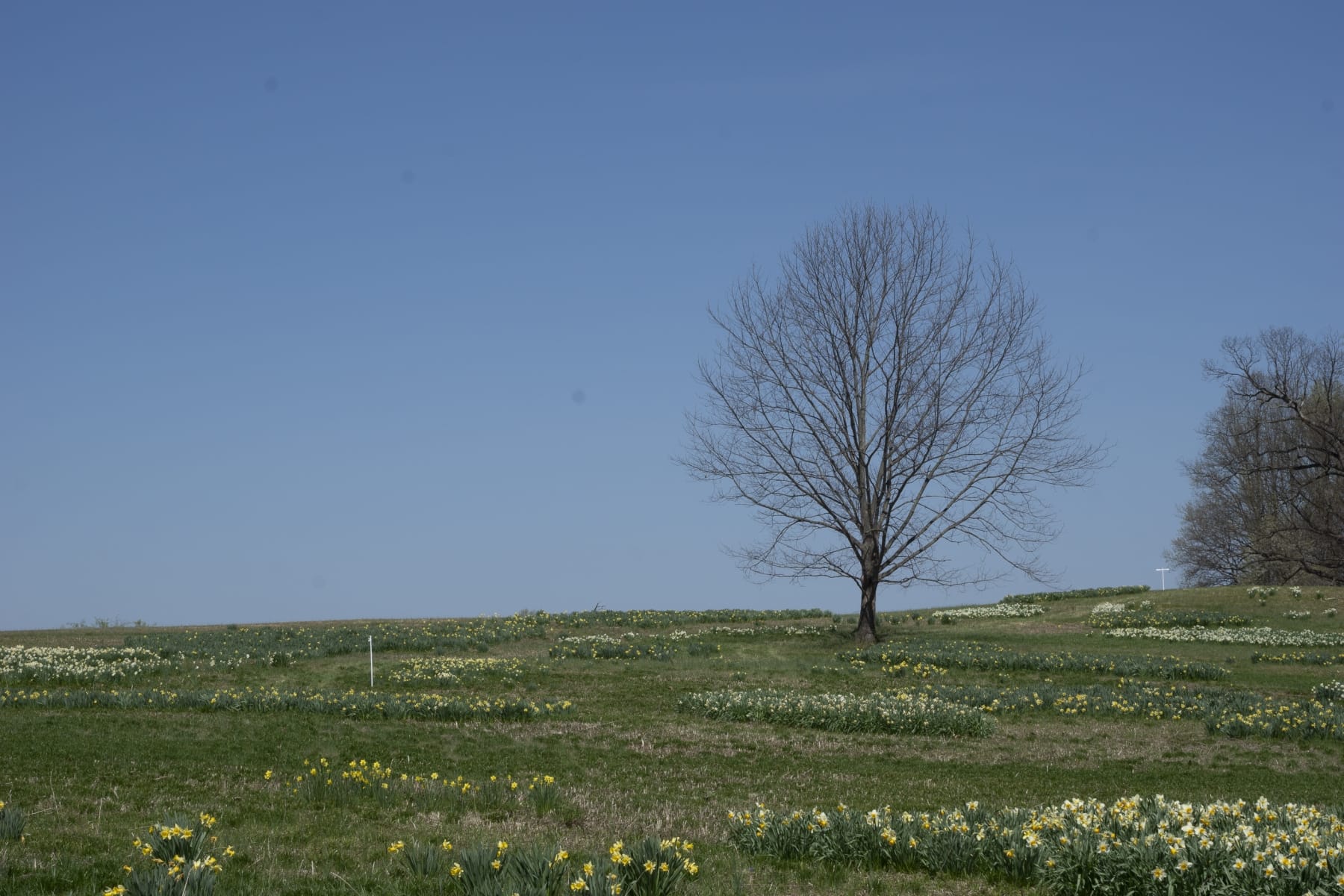
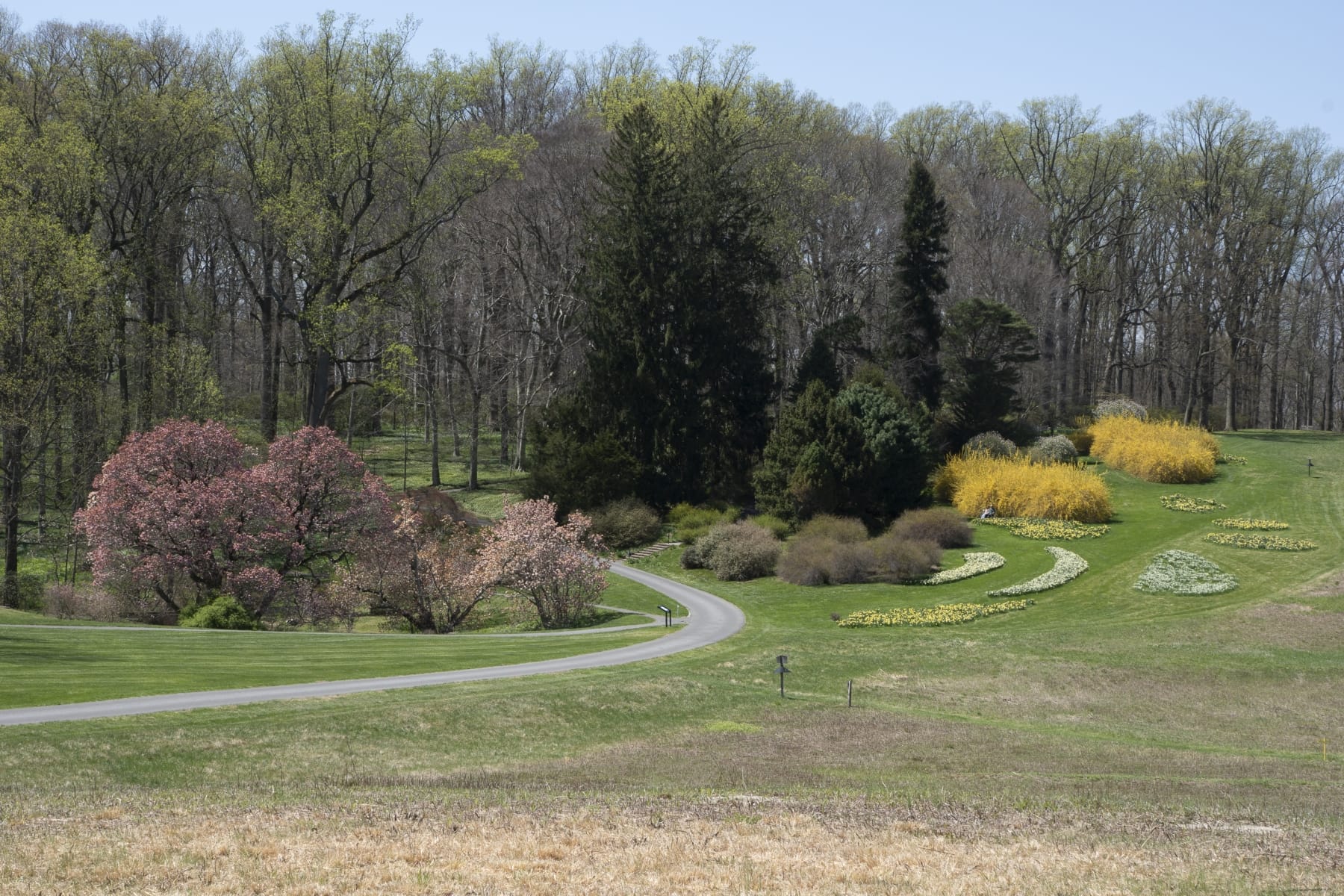
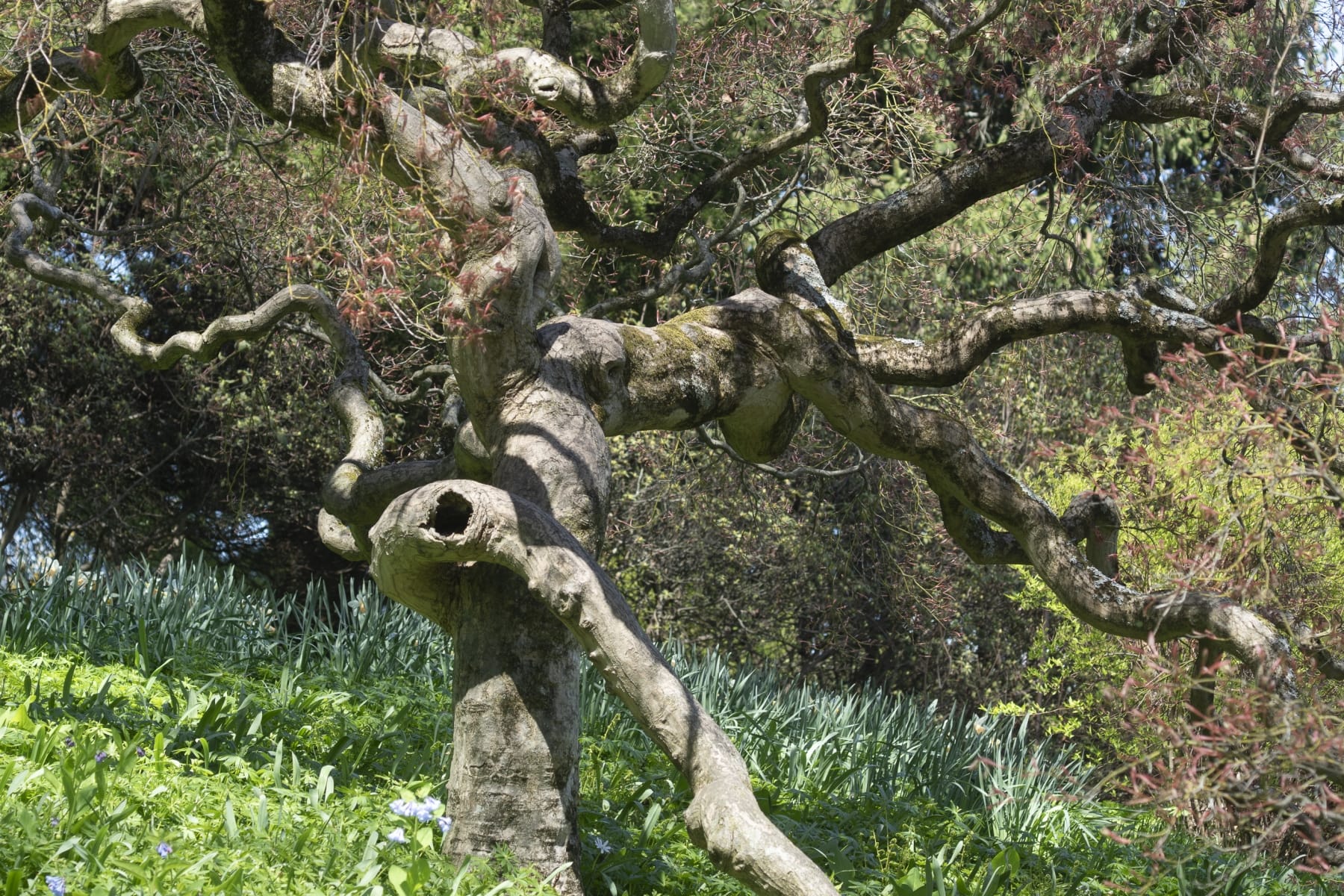
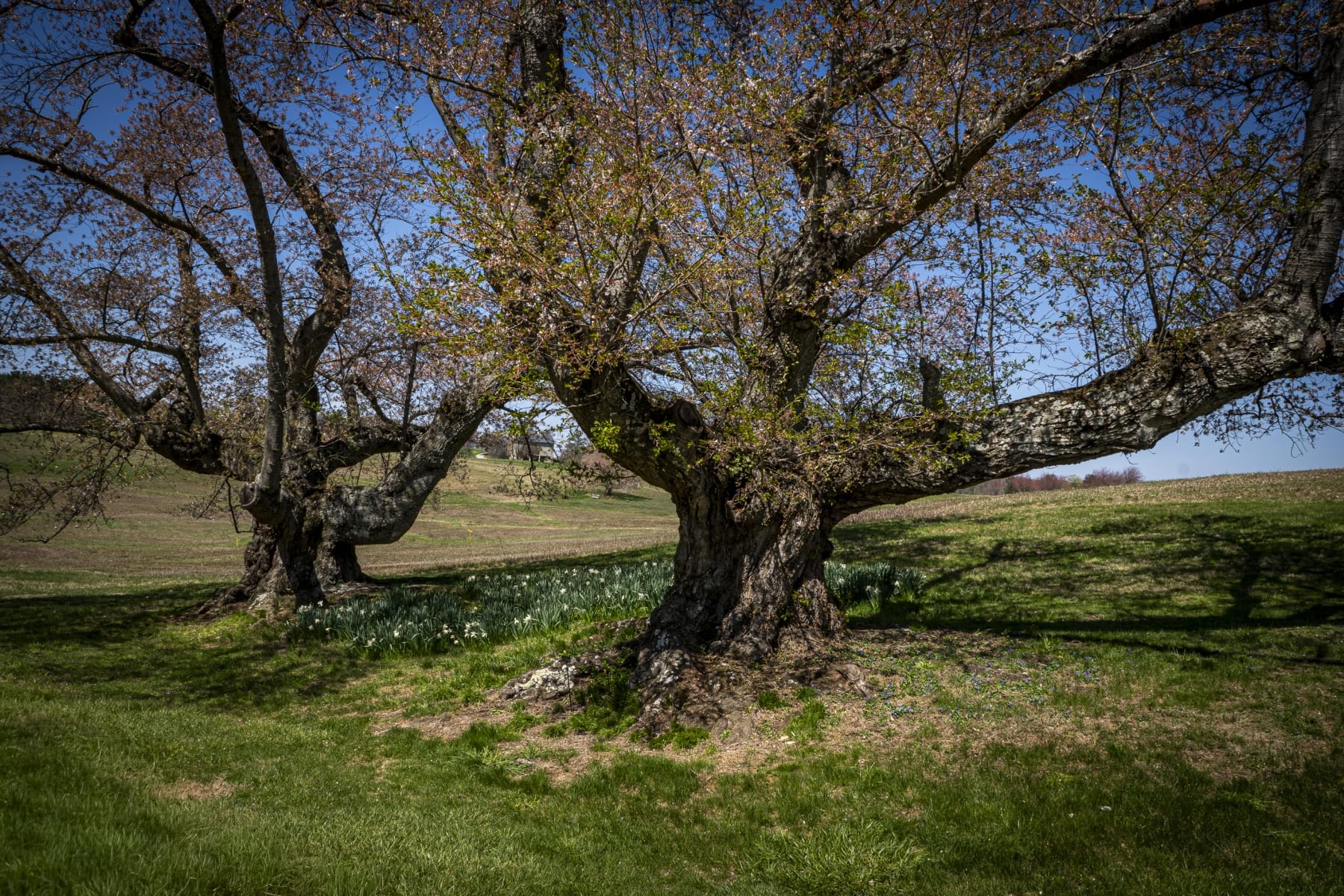
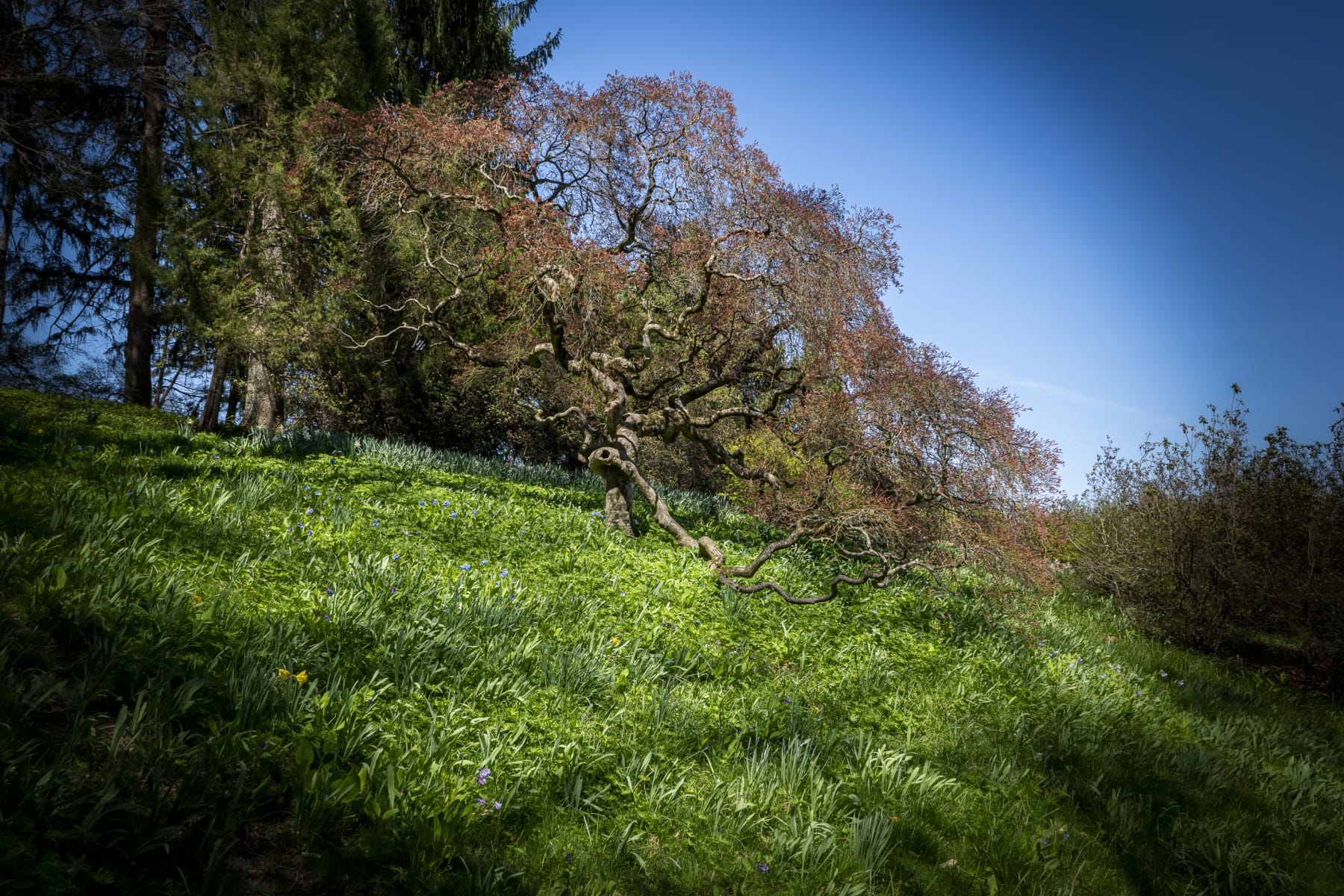
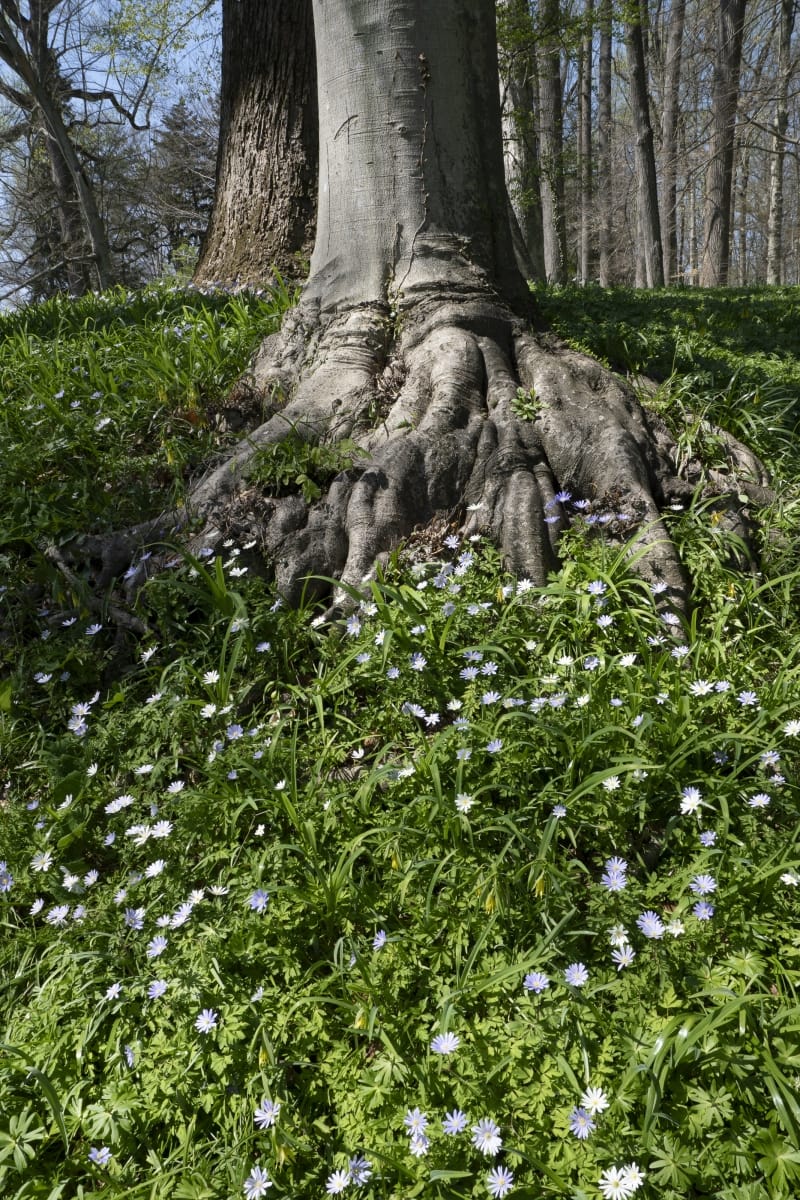
I recently spent time exploring the DuPont estates in Wilmington, Delaware; Winterthur, Hagley, and Nemours.
In a way, Hagley started all of this for me. I visited it last year while traveling through on my way to Tennessee. I tend to leave room in my trips for unexpected stops, the kinds of places you stumble across without planning to. Hagley was one of those places. What I expected to be a quick visit turned into hours wandering through buildings, gardens, workshops, and the beginnings of the DuPont story. Before the estates and elegance, there was industry. Gunpowder. Explosives. Work.
That visit stayed with me long after I left and brought me back this year to see the other estates.
Winterthur was the first stop this time around.
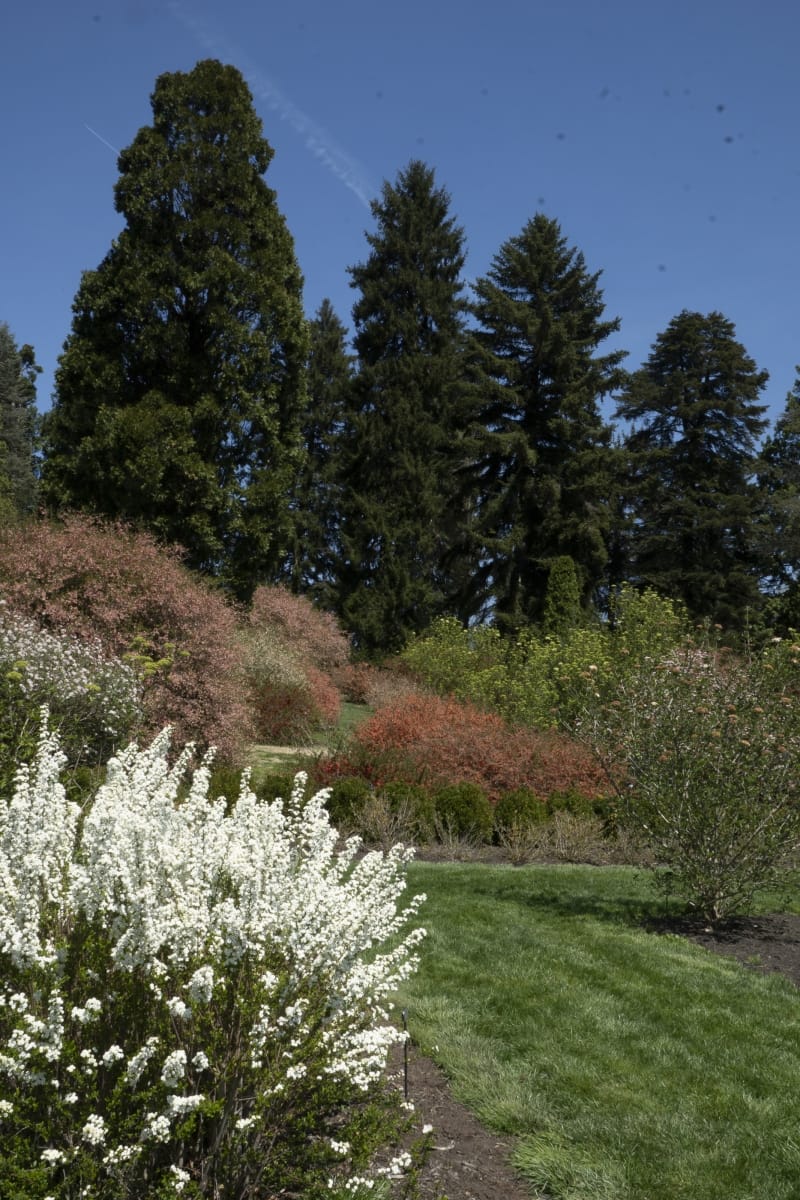
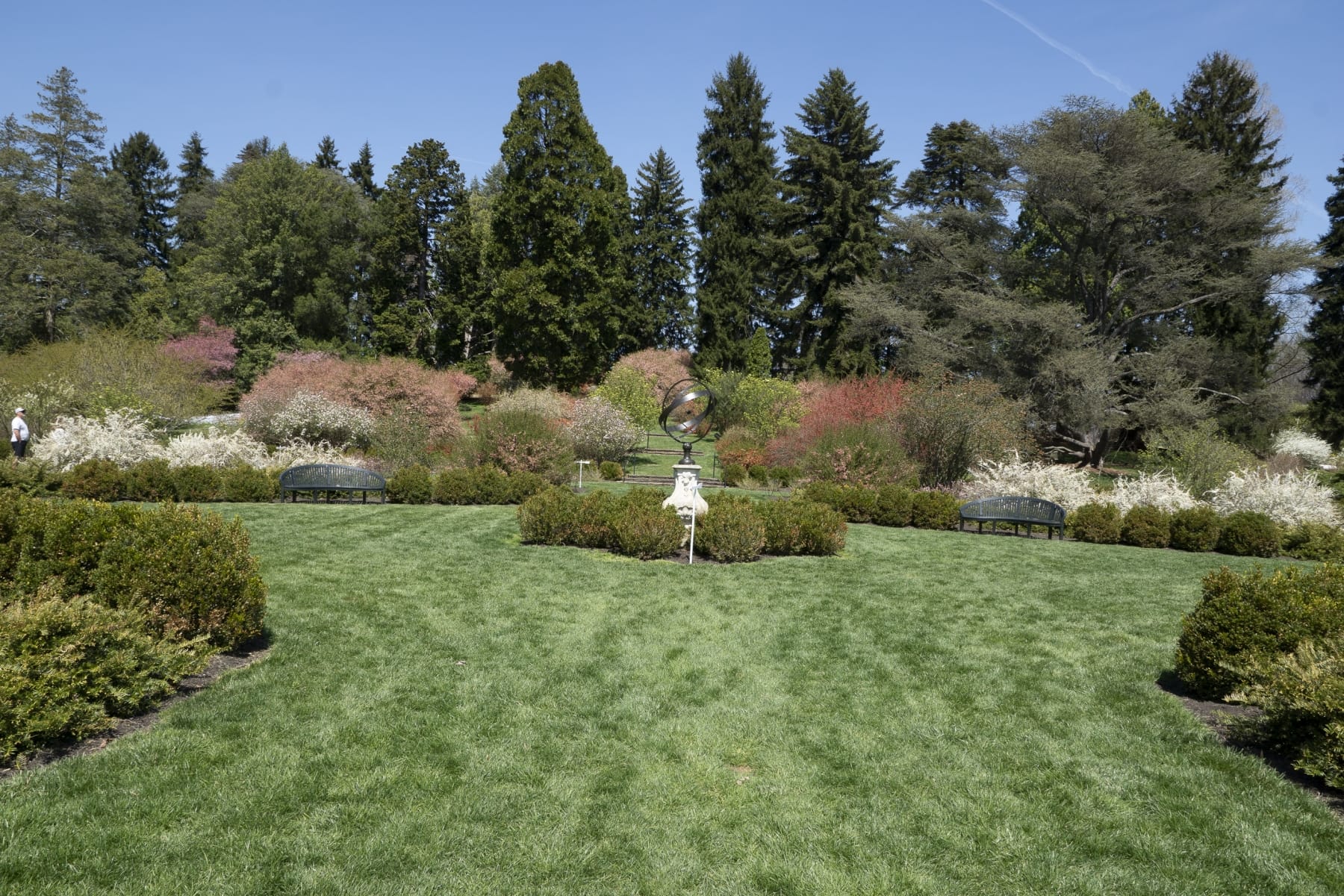
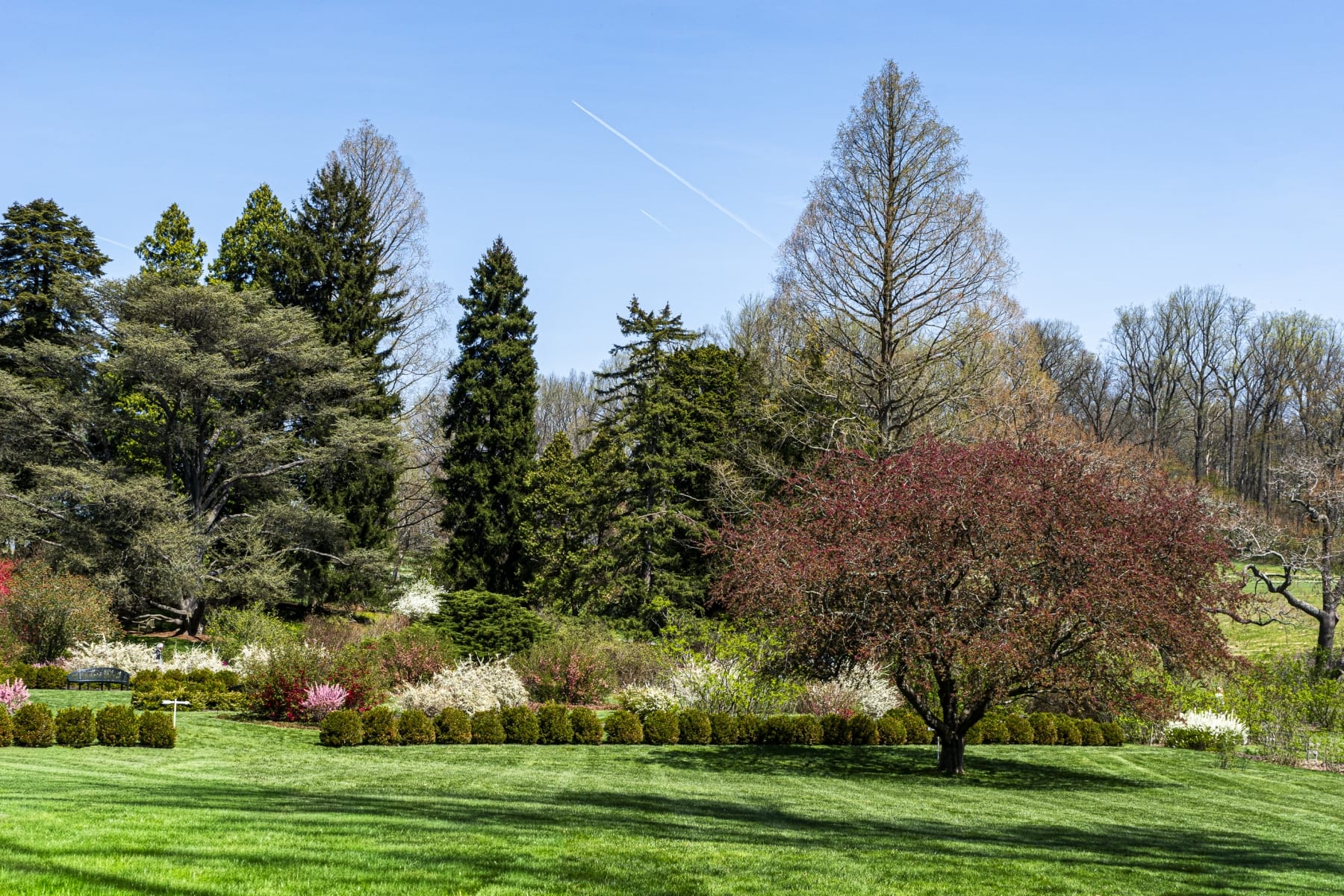
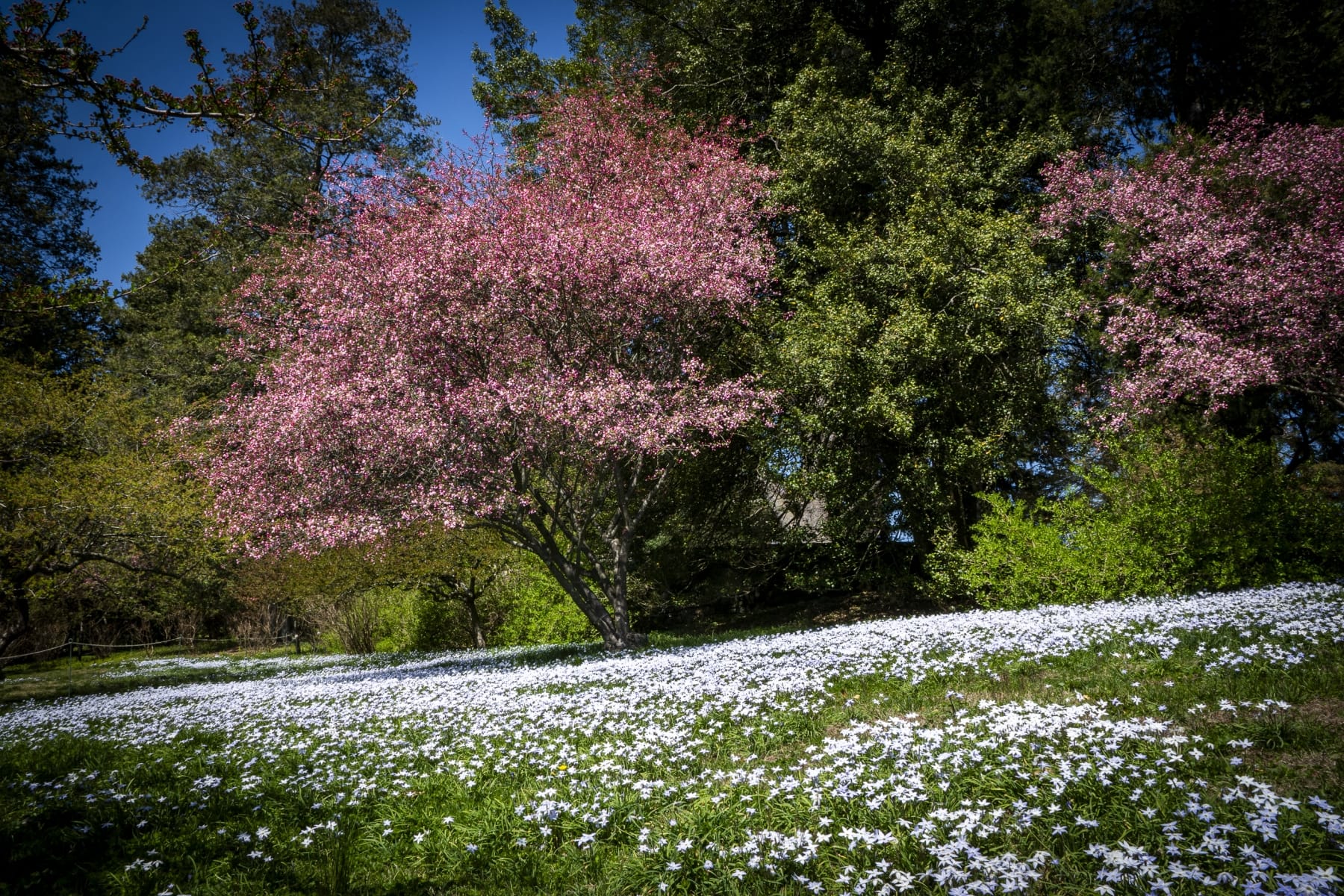
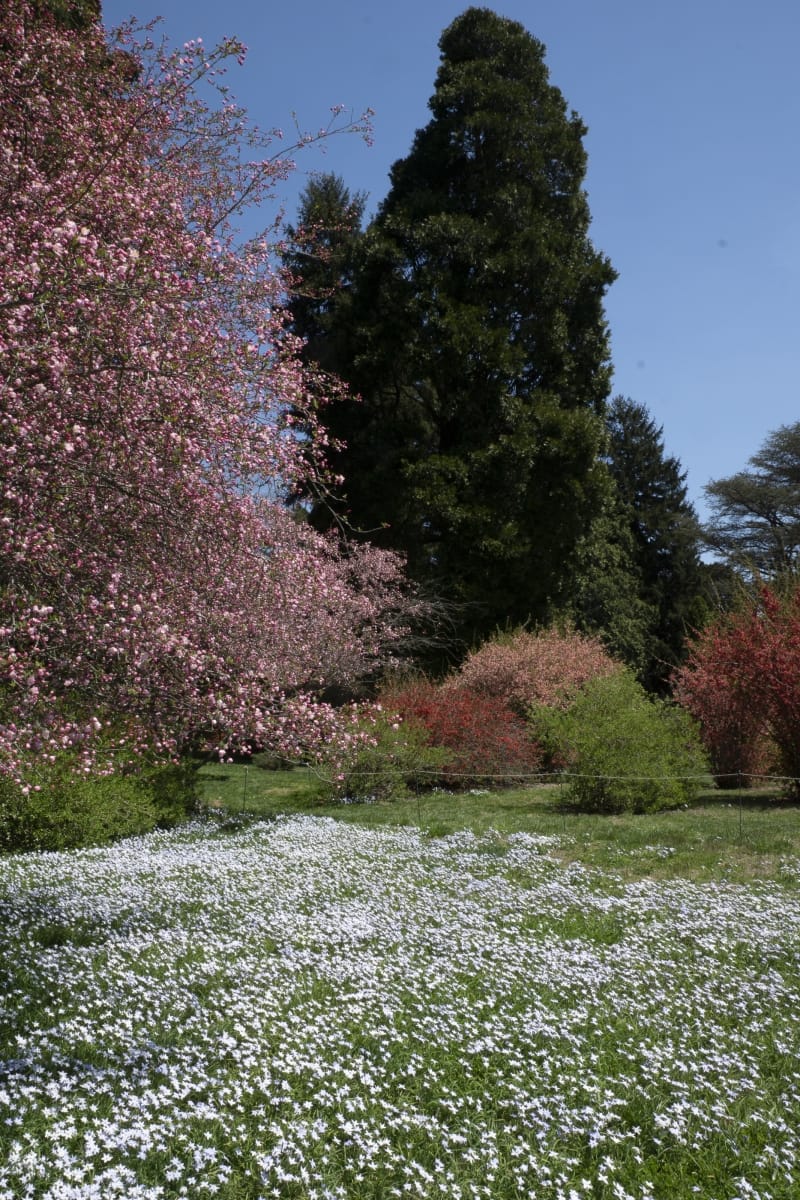
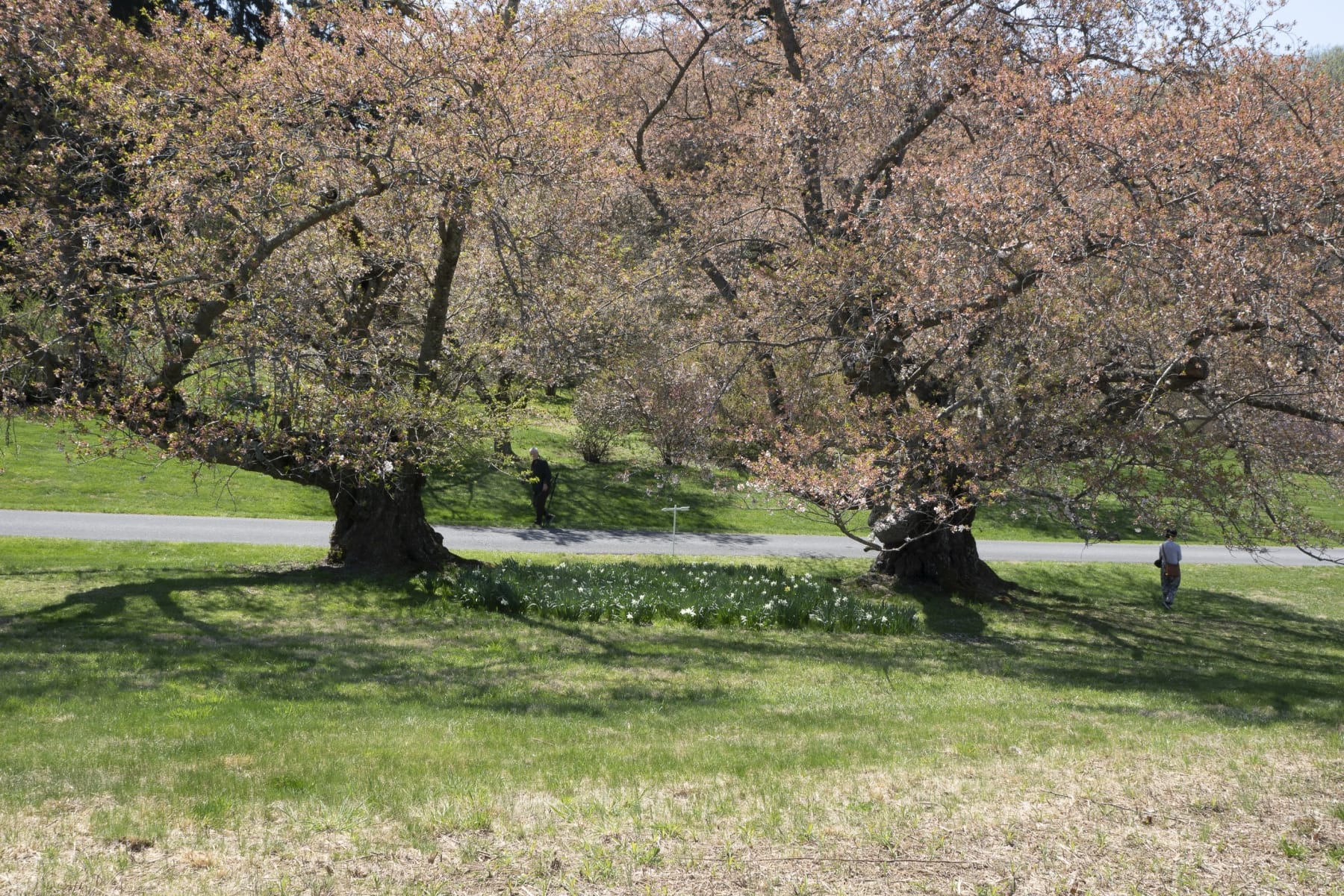
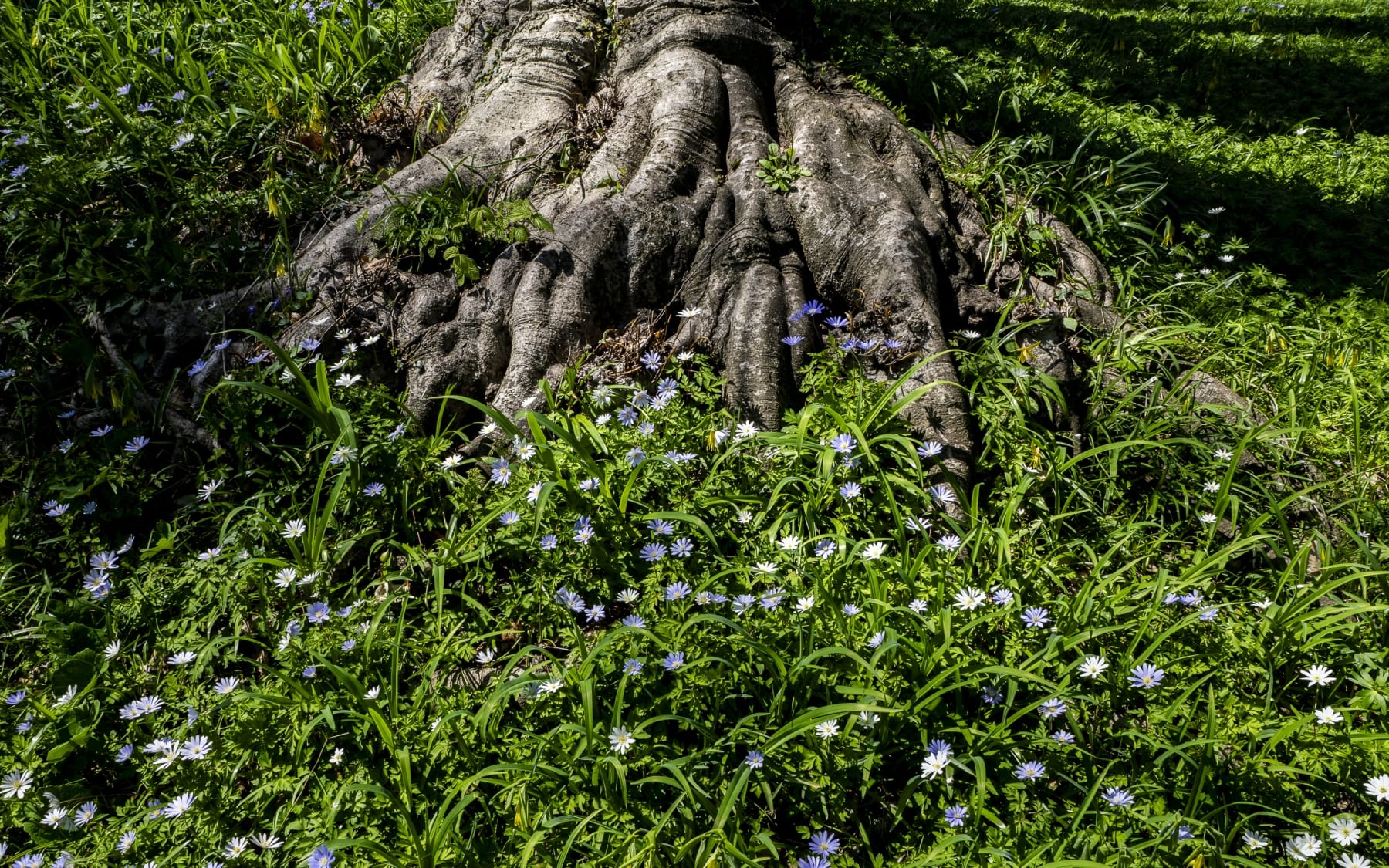
I arrived just before opening met some friends and we stepped into the grounds without much of a plan. That’s usually how I prefer to experience places like this. I wander! I look for whatever quietly pulls at my attention. At Winterthur, it was garden after garden, paths unfolding into more paths, carefully shaped landscapes designed not just to exist, but to be experienced.
As I move through places like this, I’m always drawn to the same things: the architecture, the craftsmanship, the extravagance, the evidence of lives lived on a scale far different from most people’s experience. These estates were built with intention. Designed to be seen, remembered, and undoubtedly admired. To make a statement!
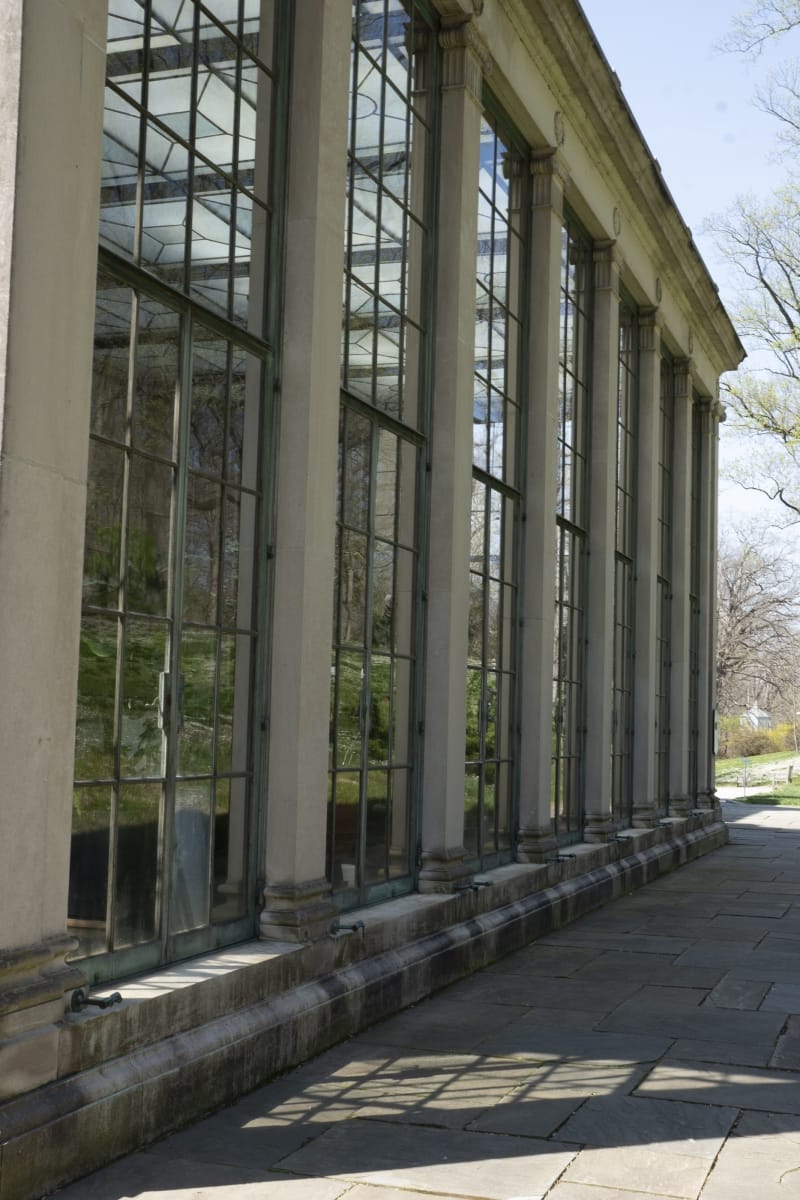
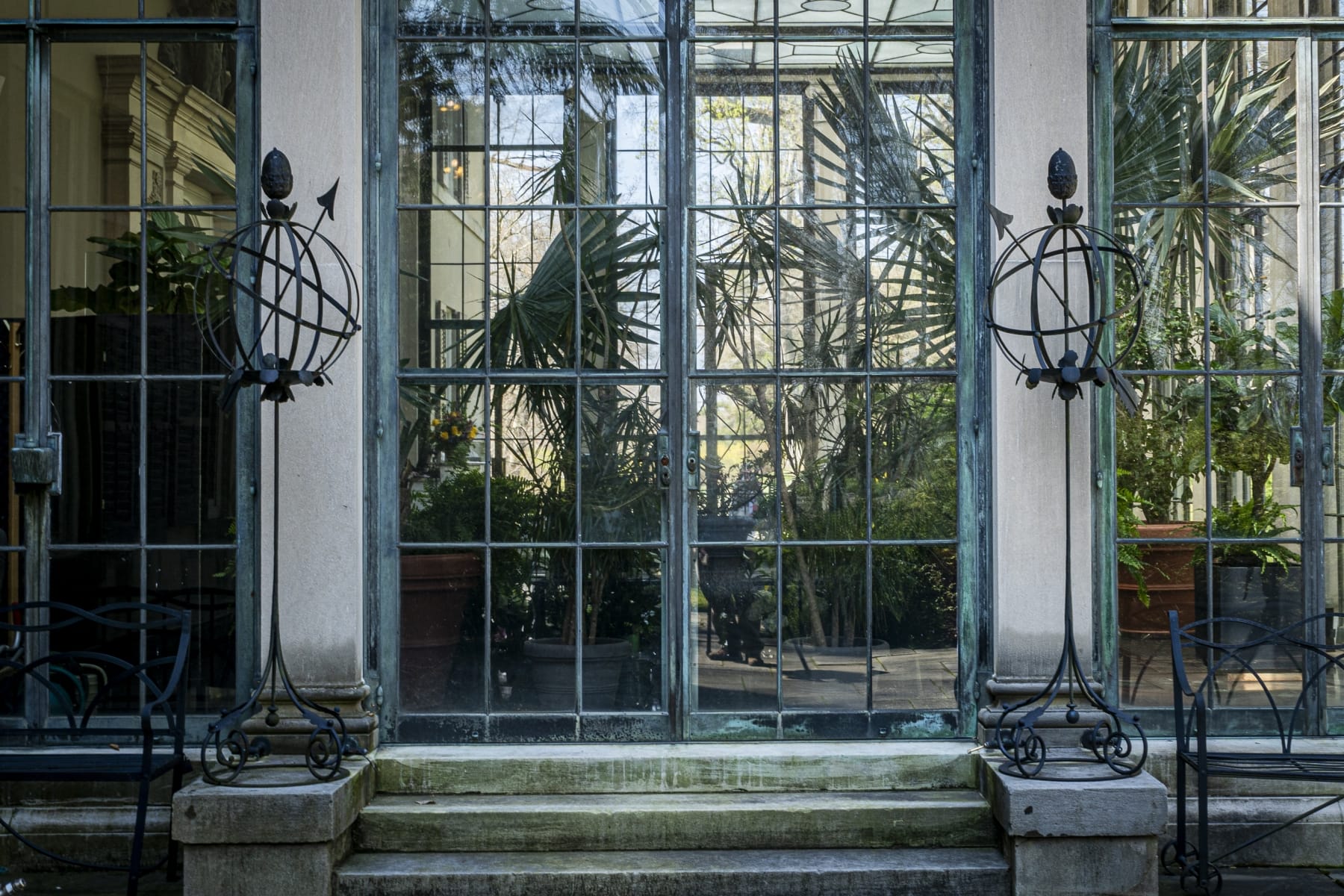
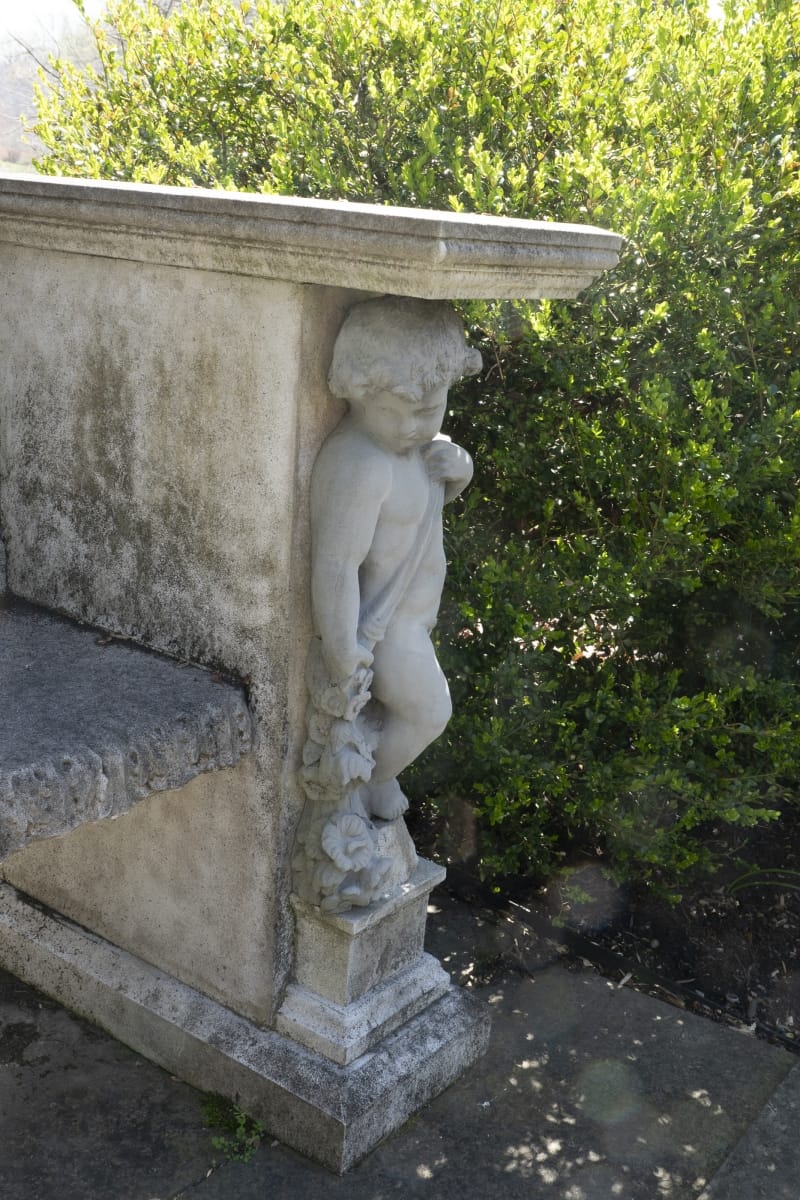
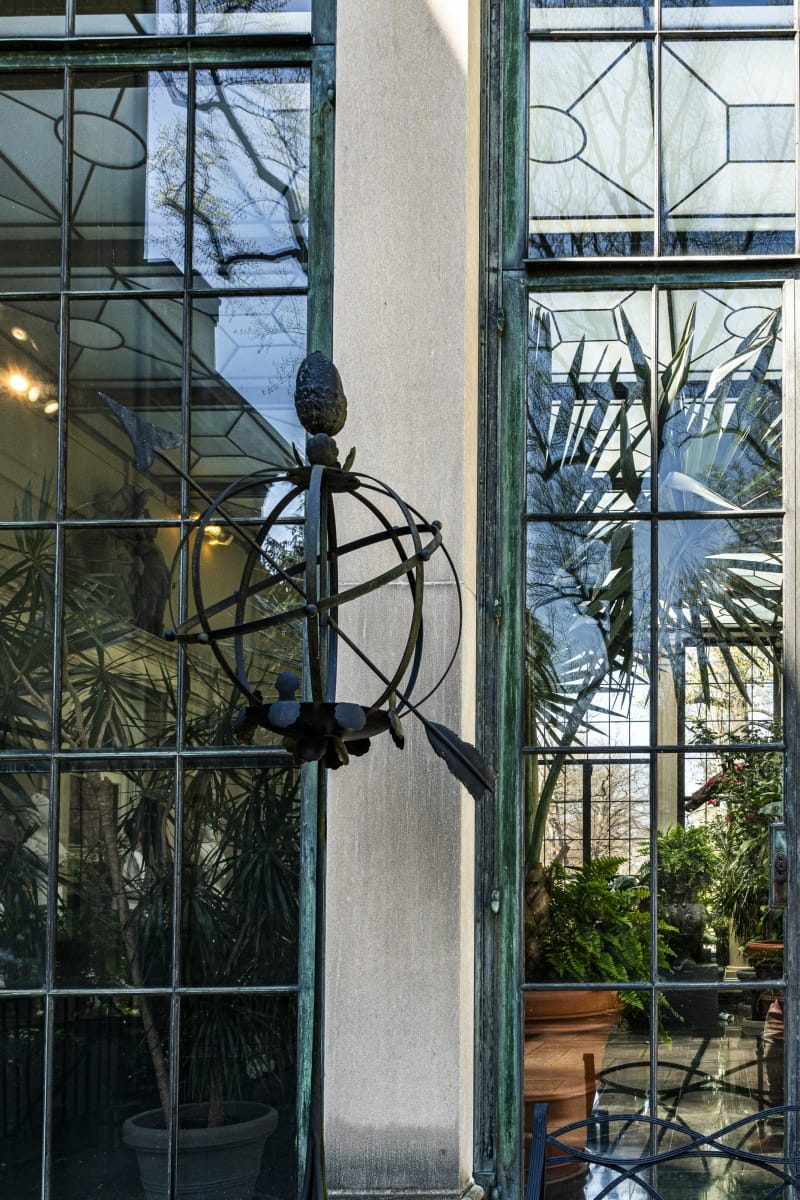
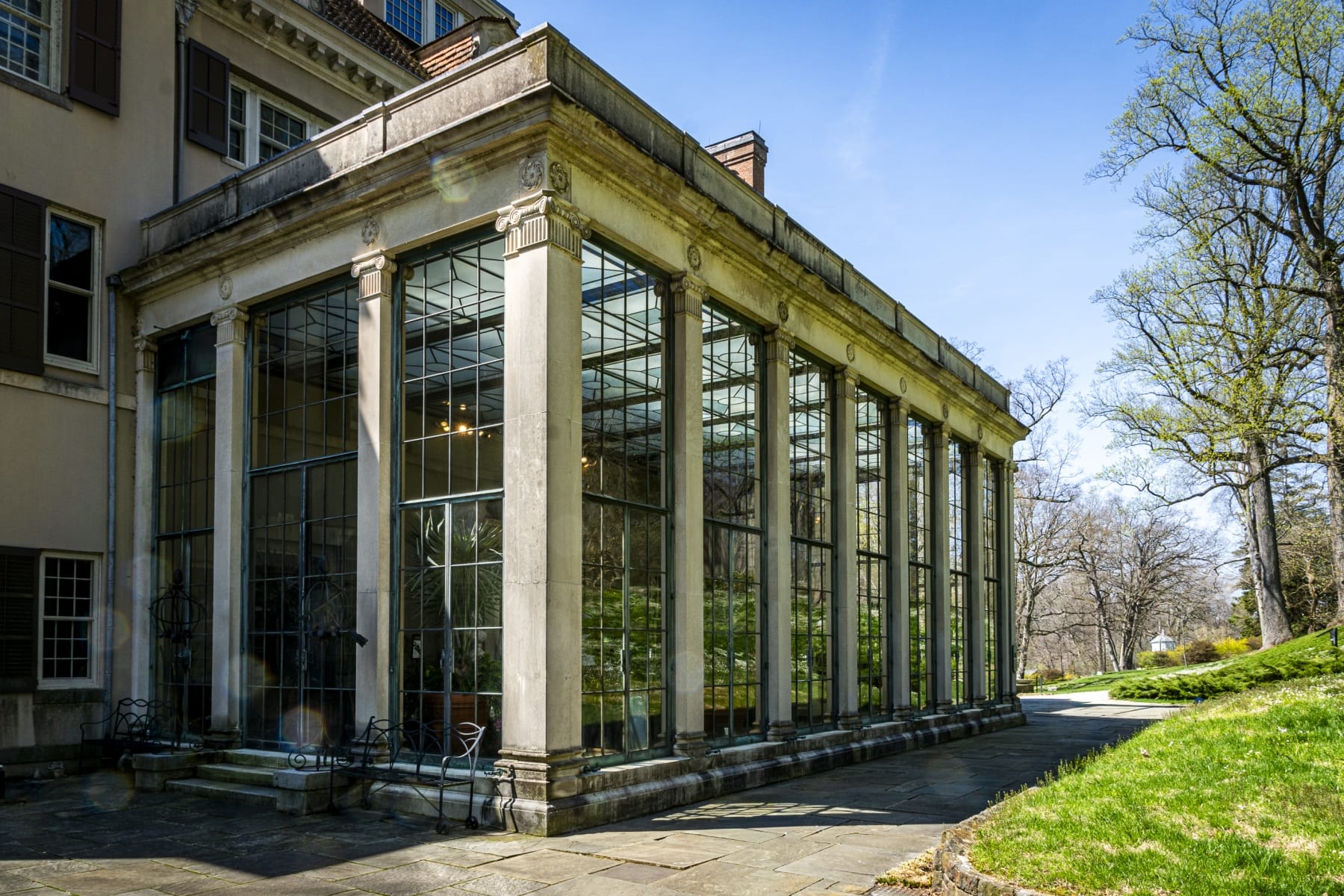
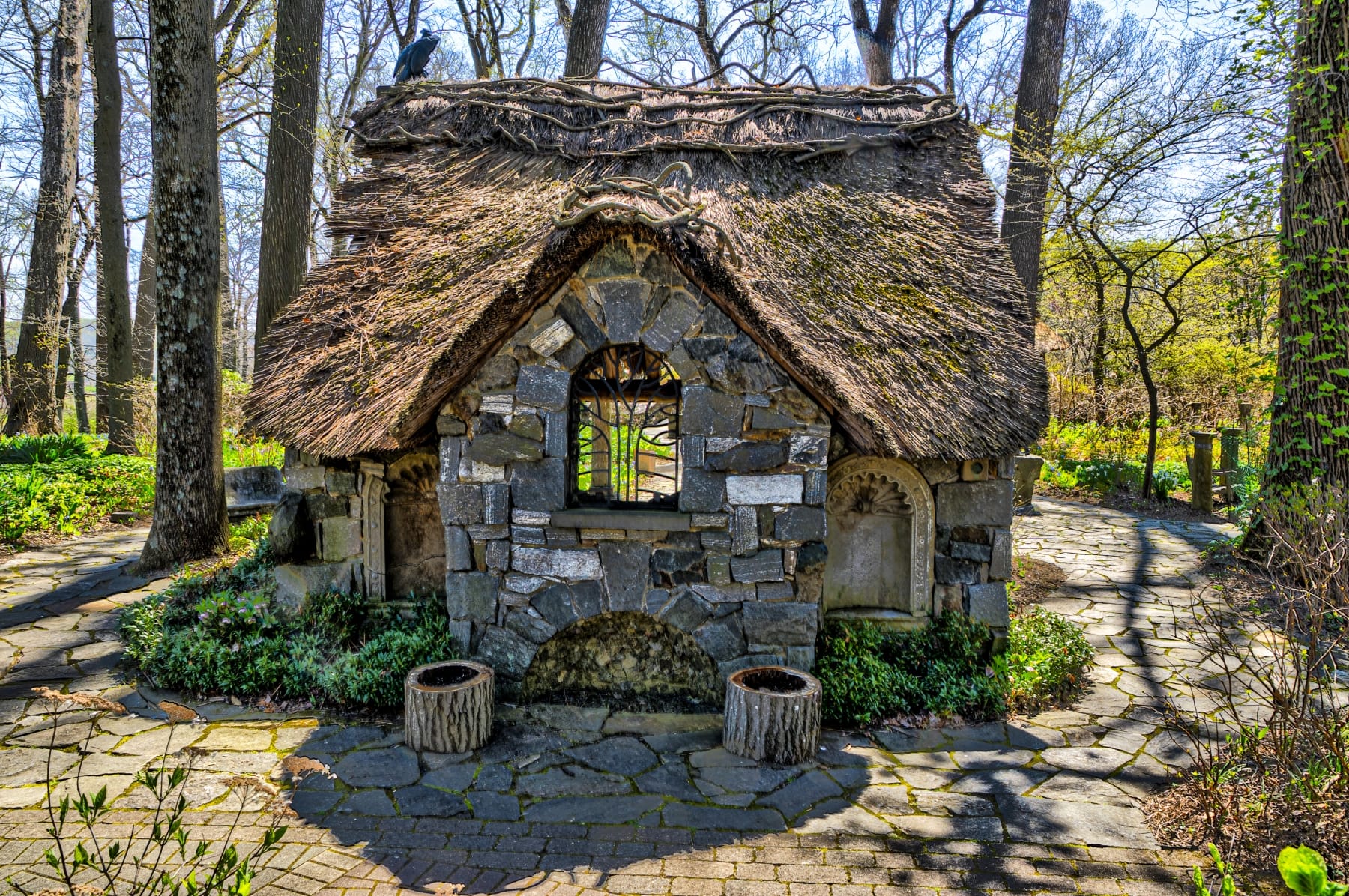
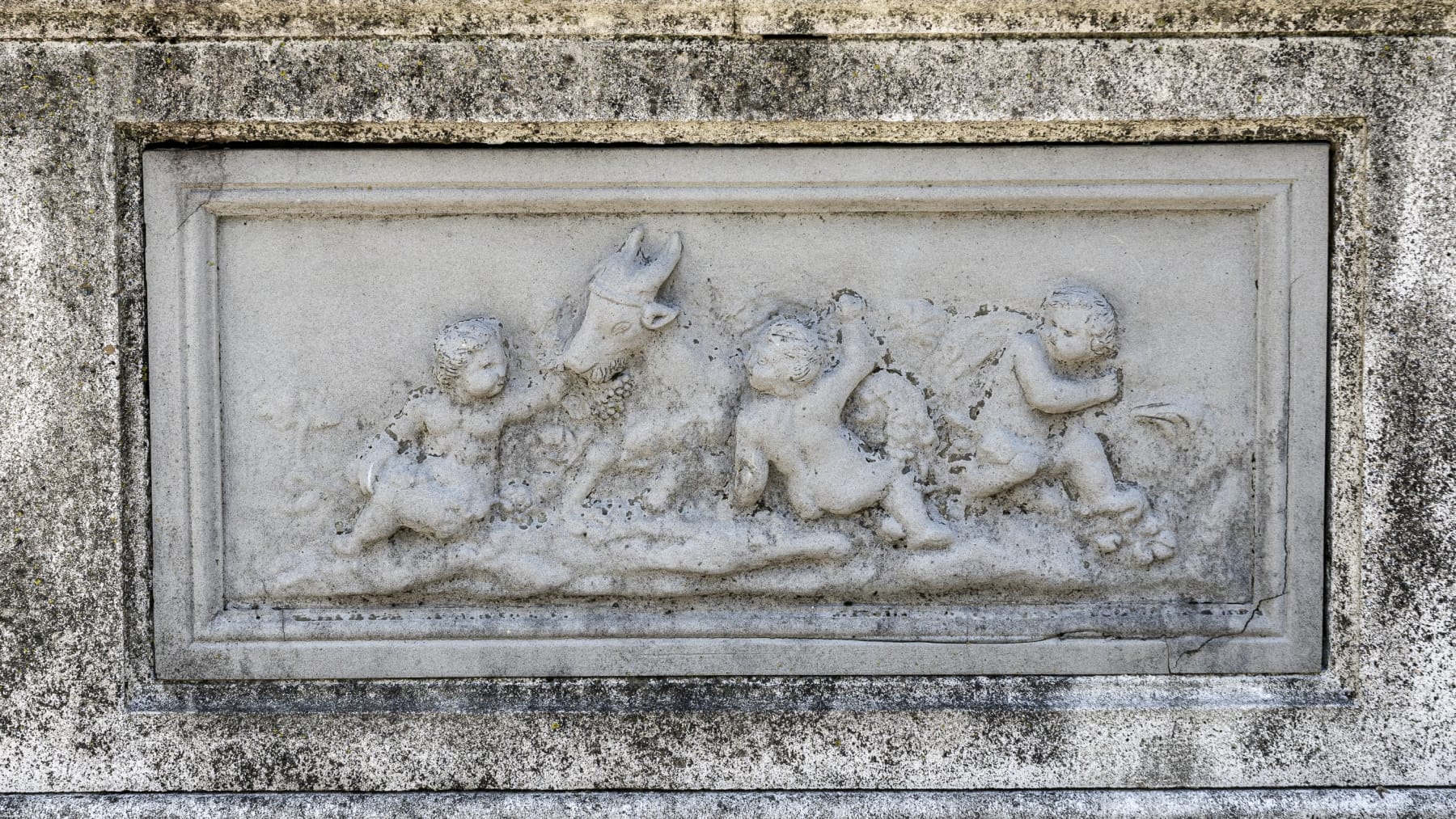
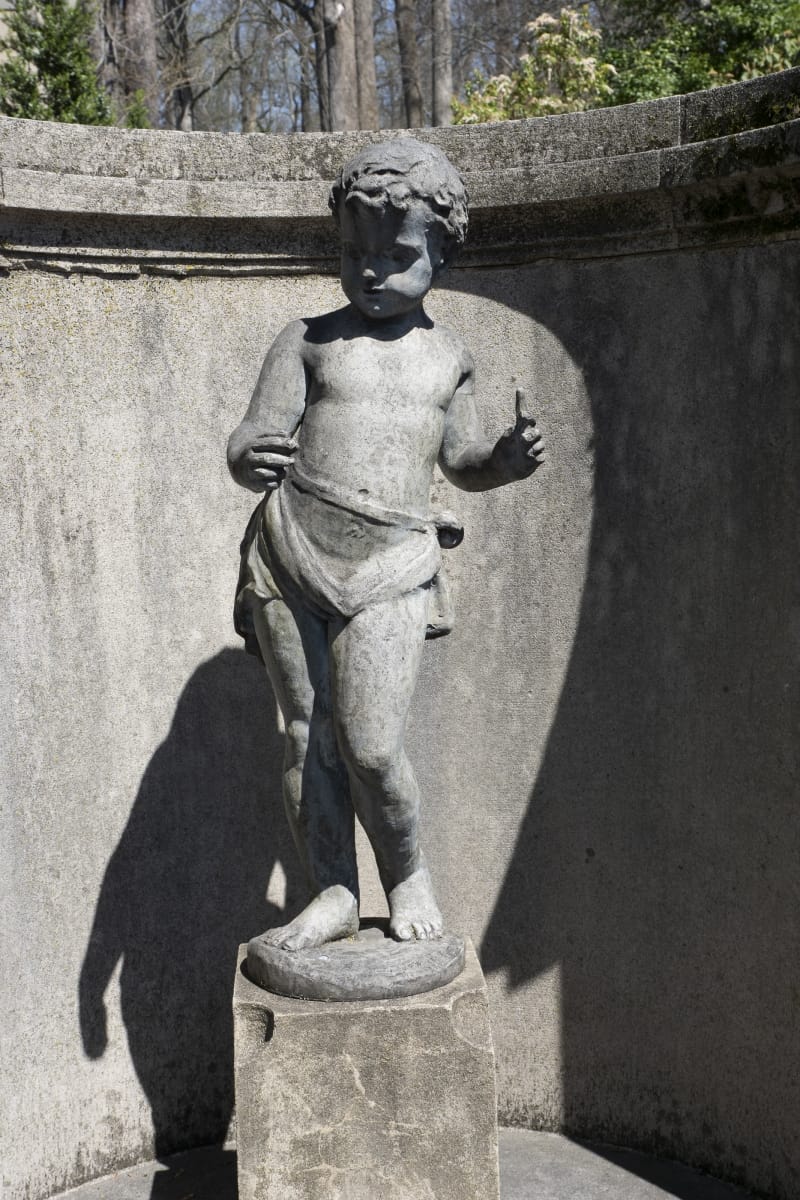
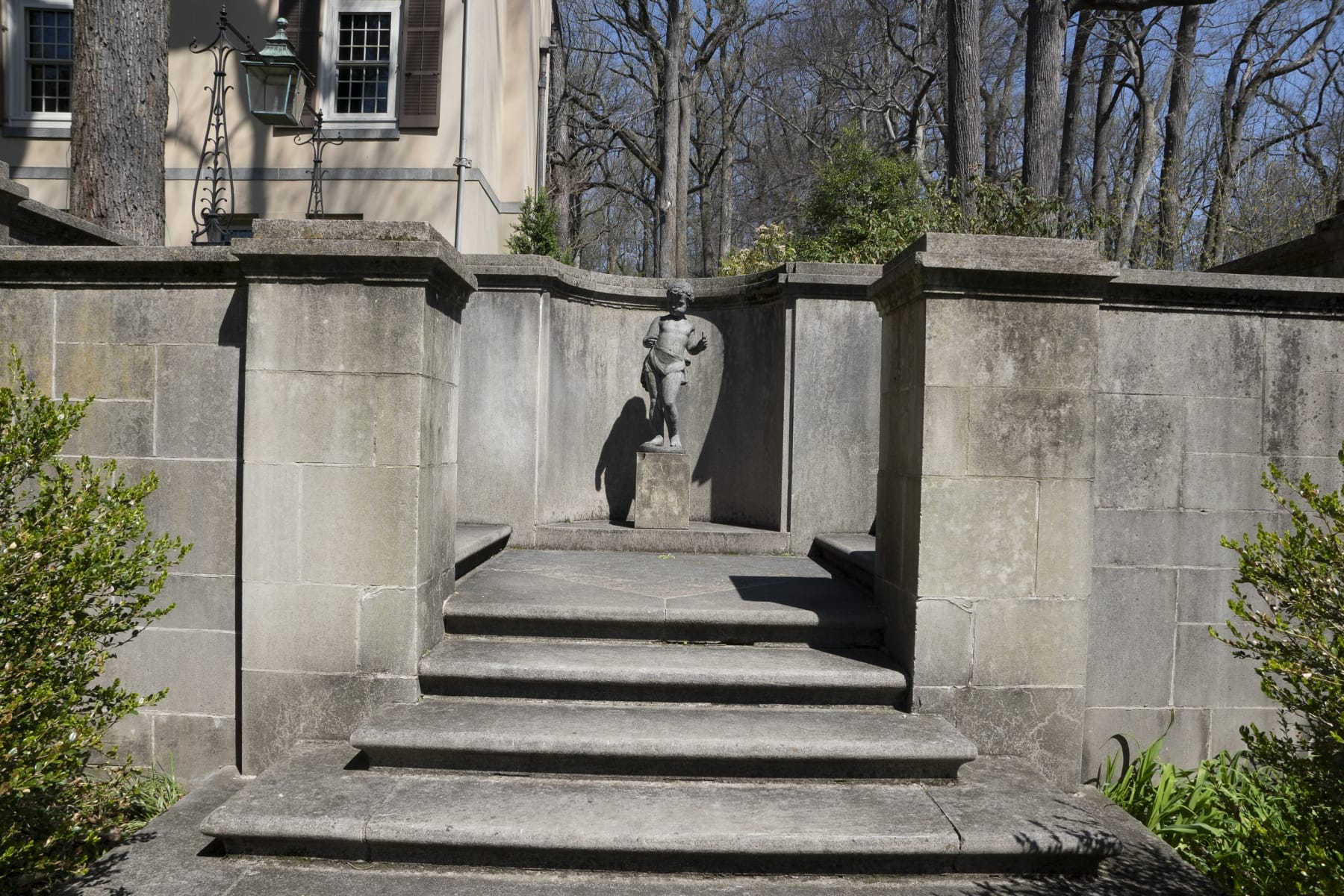
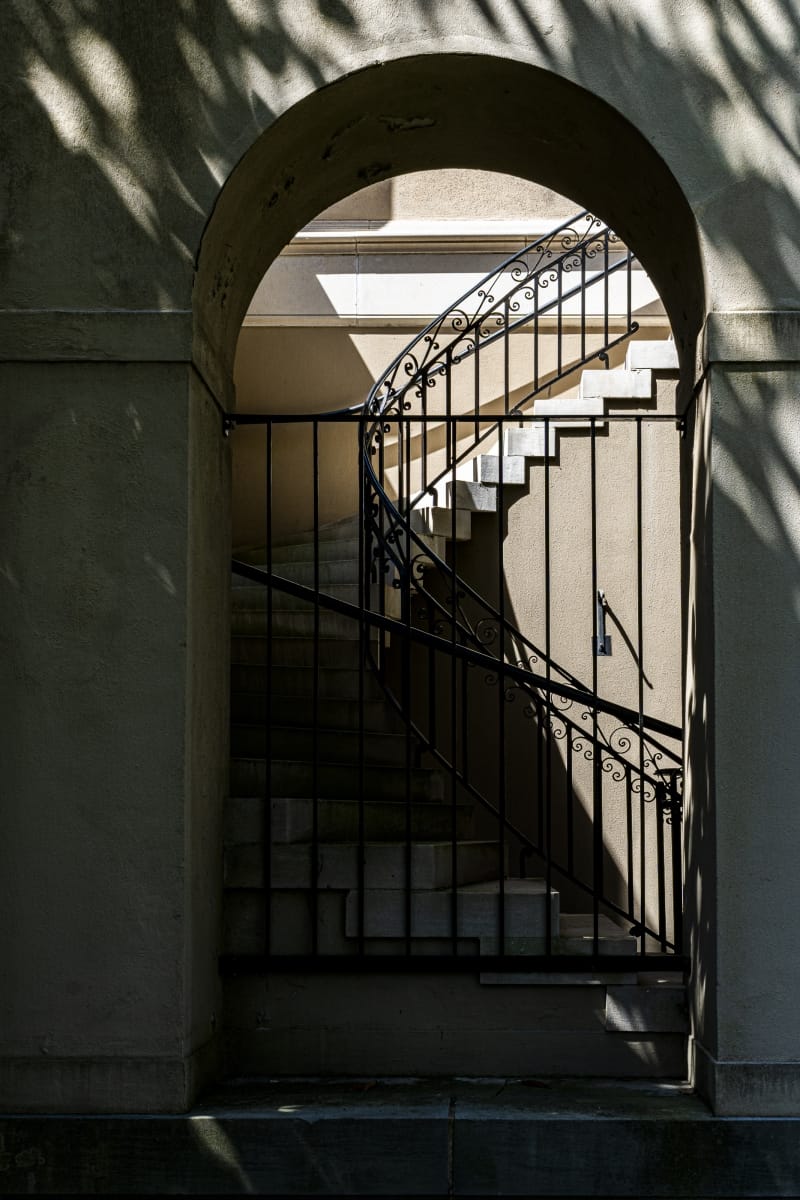
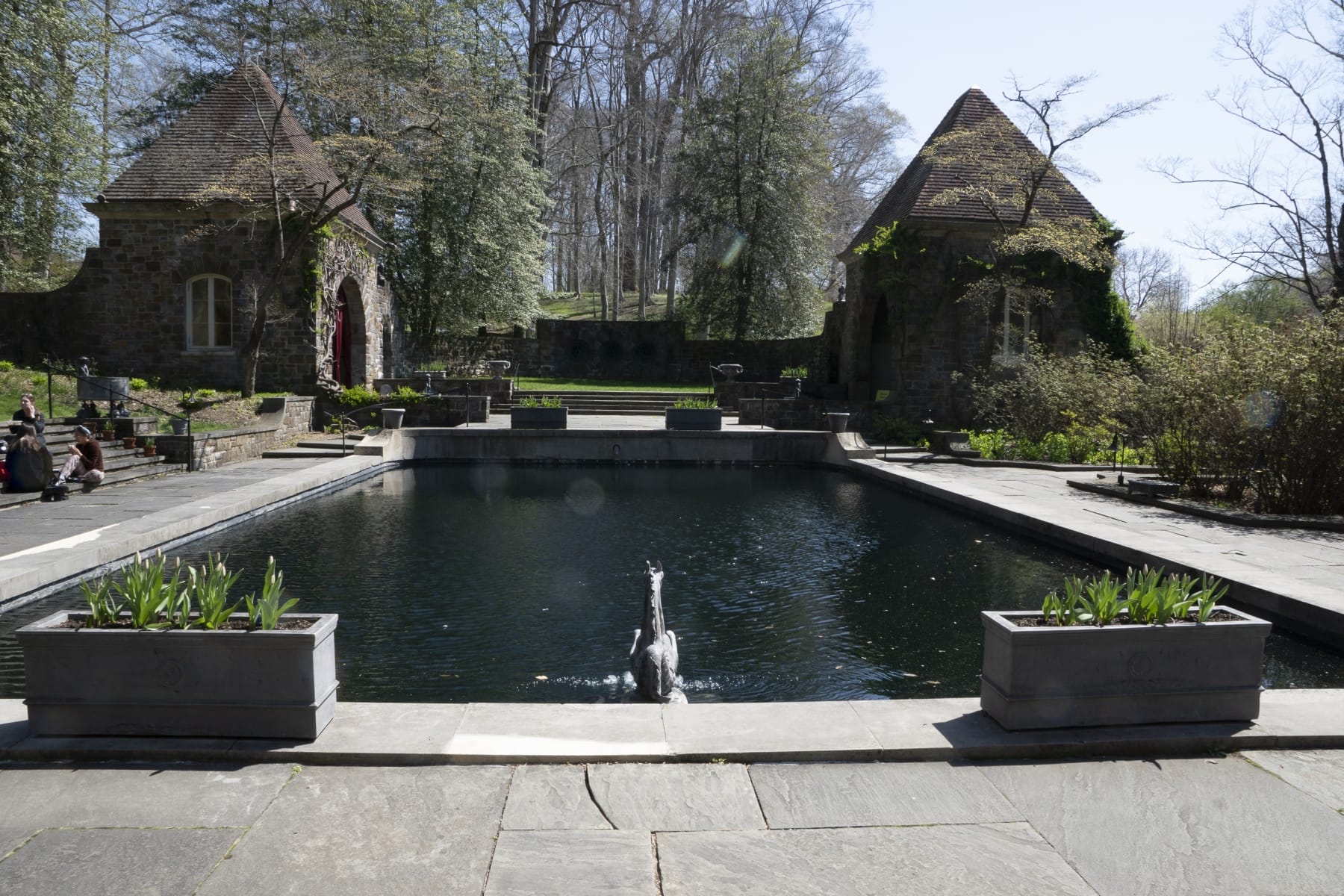
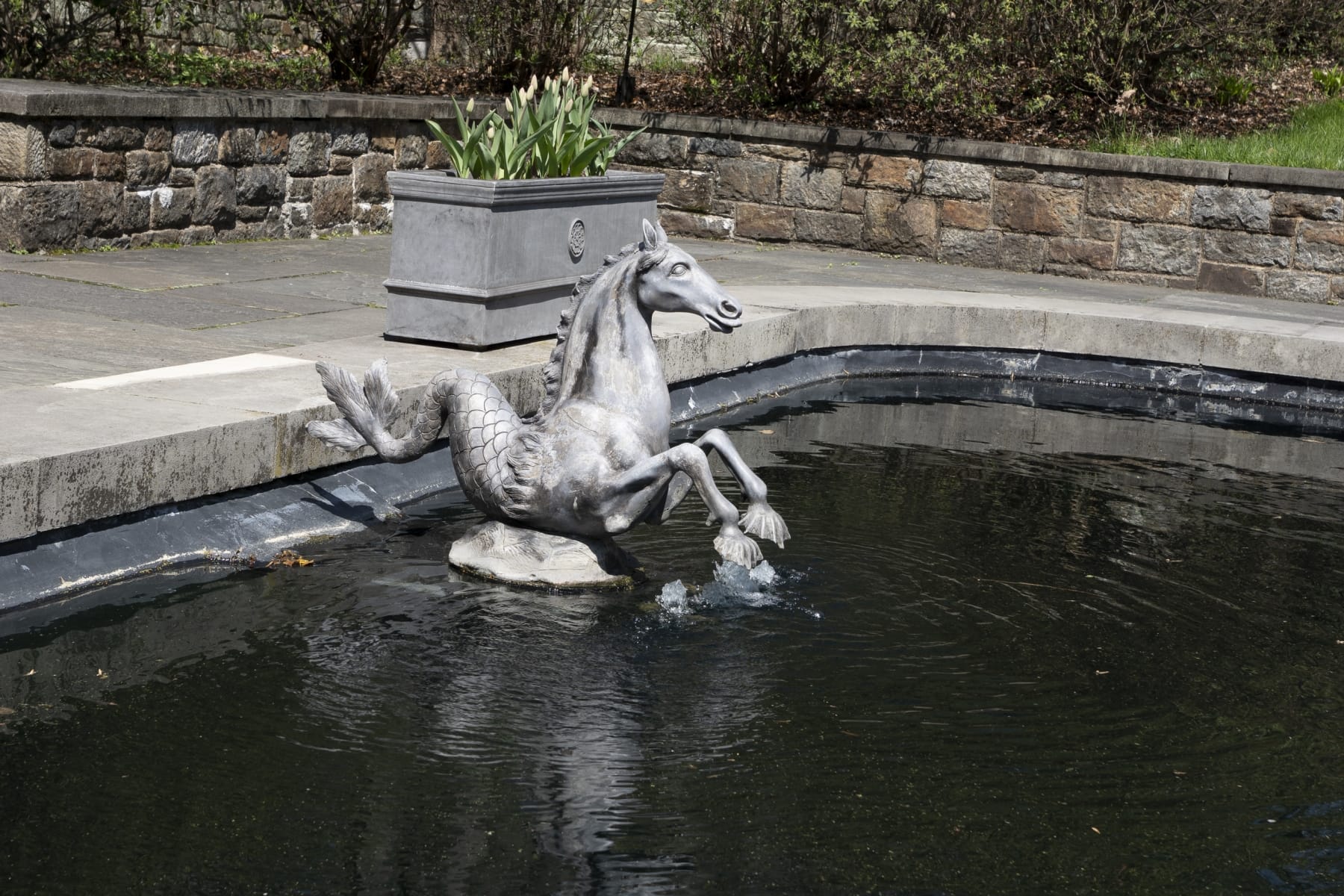
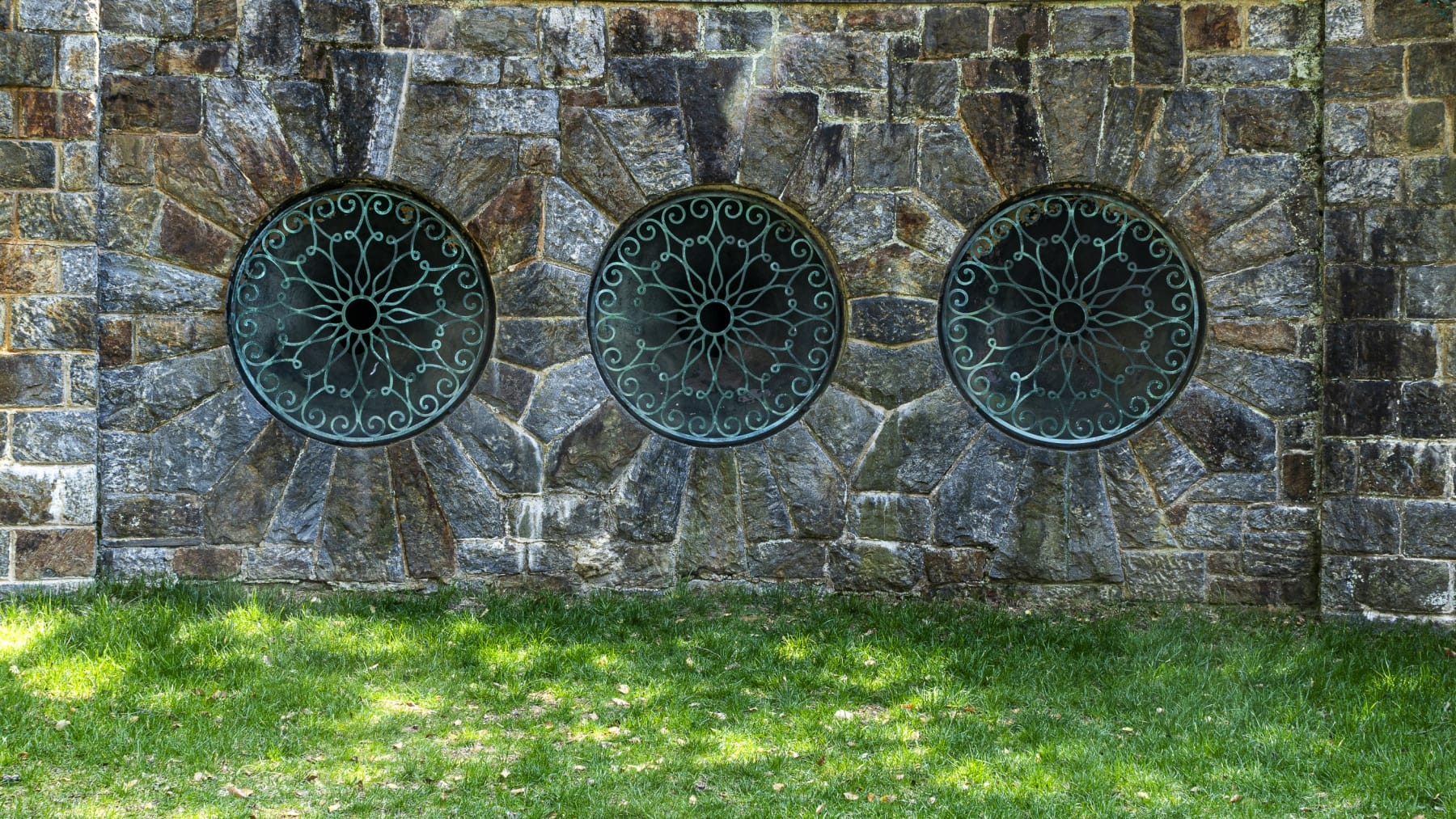
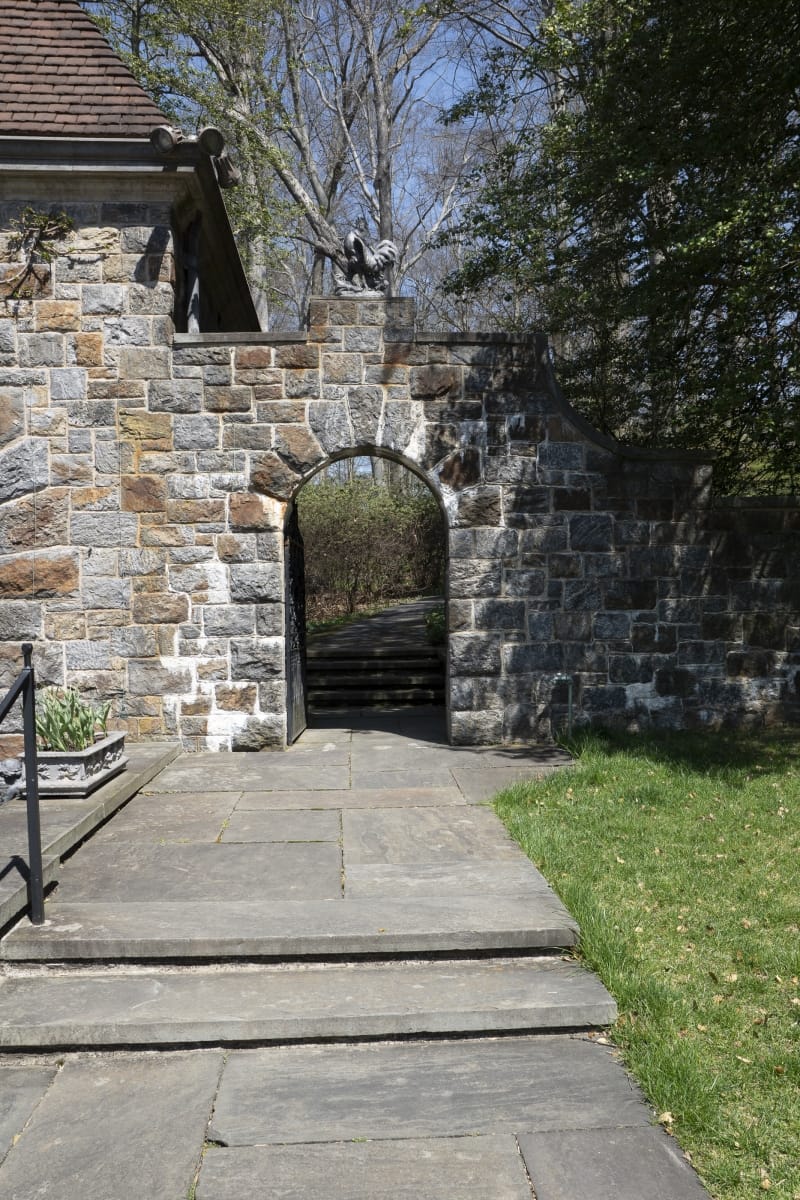
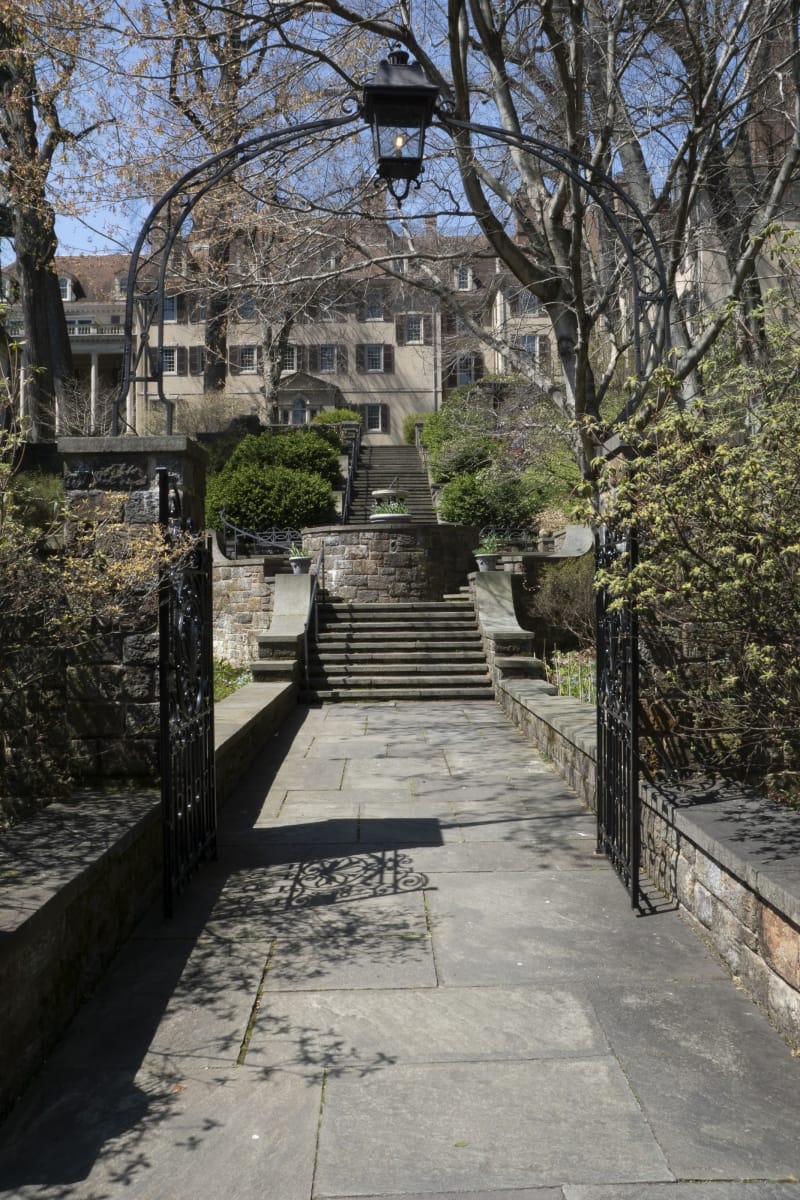
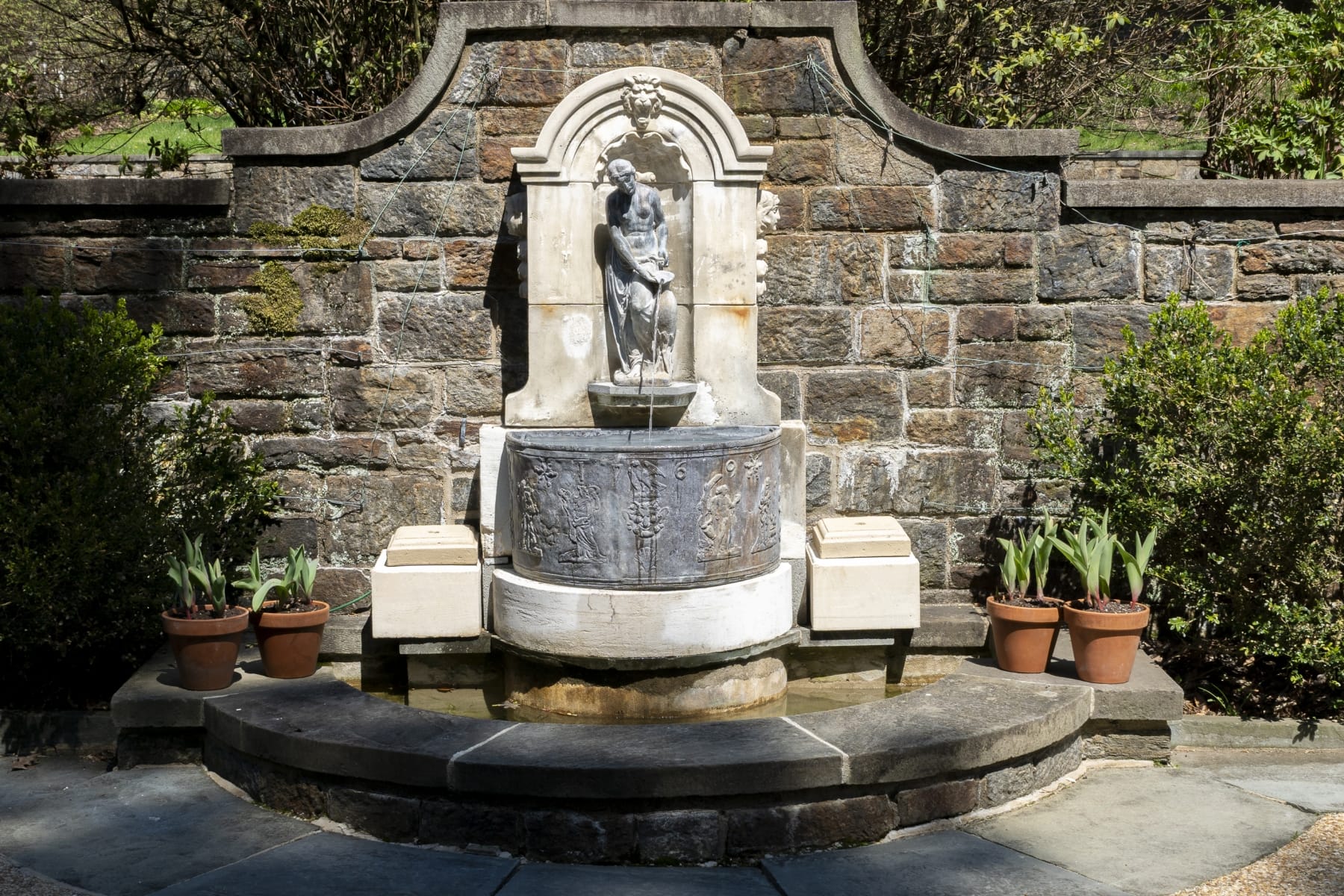
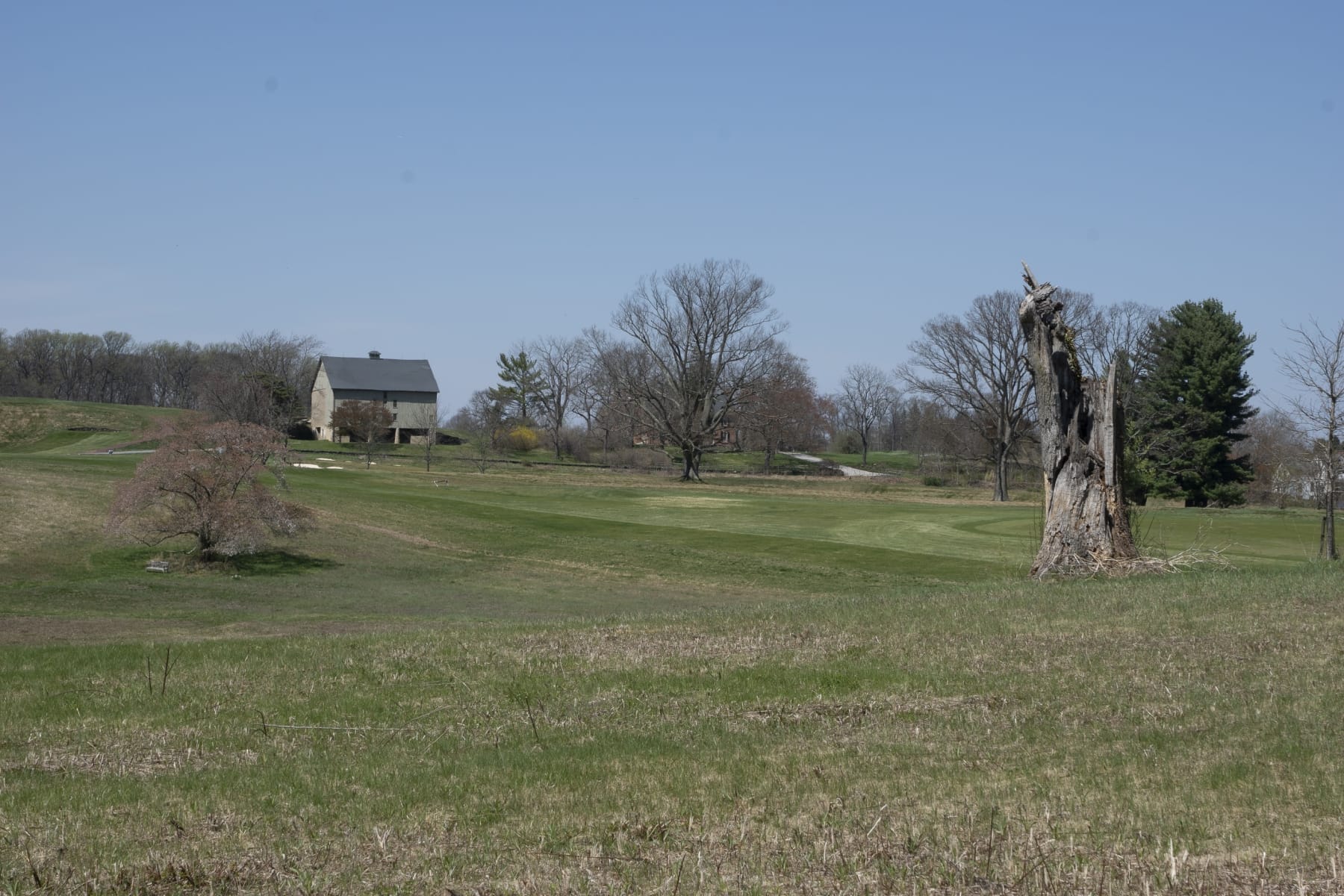
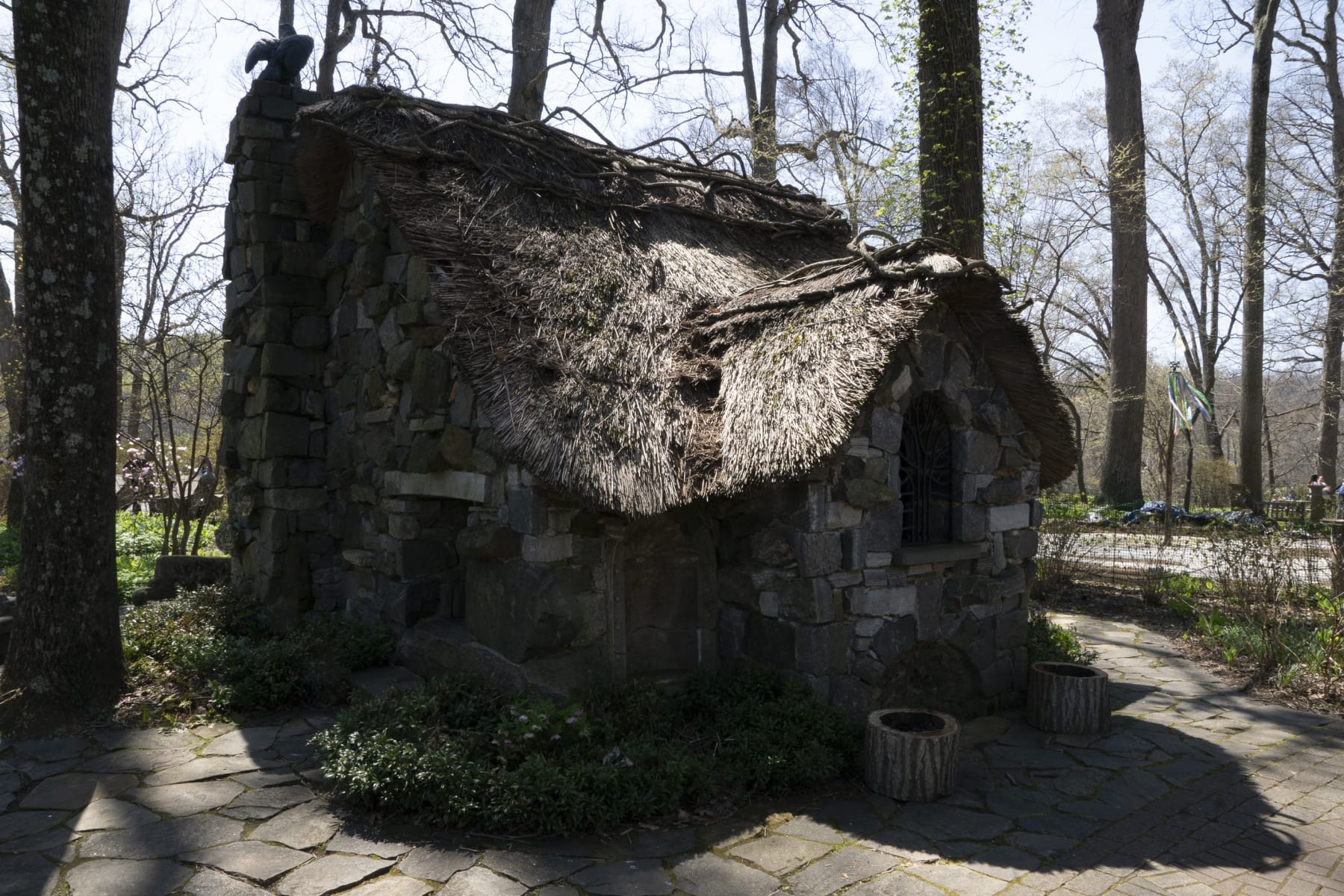
But walking through them now feels different.
The rooms are still. The gardens remain carefully maintained. The details are preserved exactly as they were meant to be. Yet the purpose has shifted with time. Spaces once filled with conversation, scents of meals being cooked, celebrations, routines, and ordinary moments of living have become something else entirely. What was once inhabited is now observed.
A dining room becomes an exhibit.
A hallway becomes a passage through history.
A home becomes a museum.
And somewhere in that transition, the place changed.
Or maybe we do.
I find myself slowing down in settings like these. Not simply to take photographs, but to notice what remains alongside what has disappeared. The subtle signs of time passing. Repairs. Adaptations. Modern additions carefully tucked into historic spaces. Small reminders that even places built to last still have to change in order to survive.
Each estate carries its own personality. Its own rhythm. Winterthur feels layered, almost endless in its details. Every room, every garden path, every object seems connected to someone’s attempt to preserve beauty, history, or memory a little longer.
Over the next few posts, I want to spend time with each of these places and the details that stayed with me. Not as a tour guide or historian, but simply as someone paying attention. Looking more closely at the things that often get passed by.
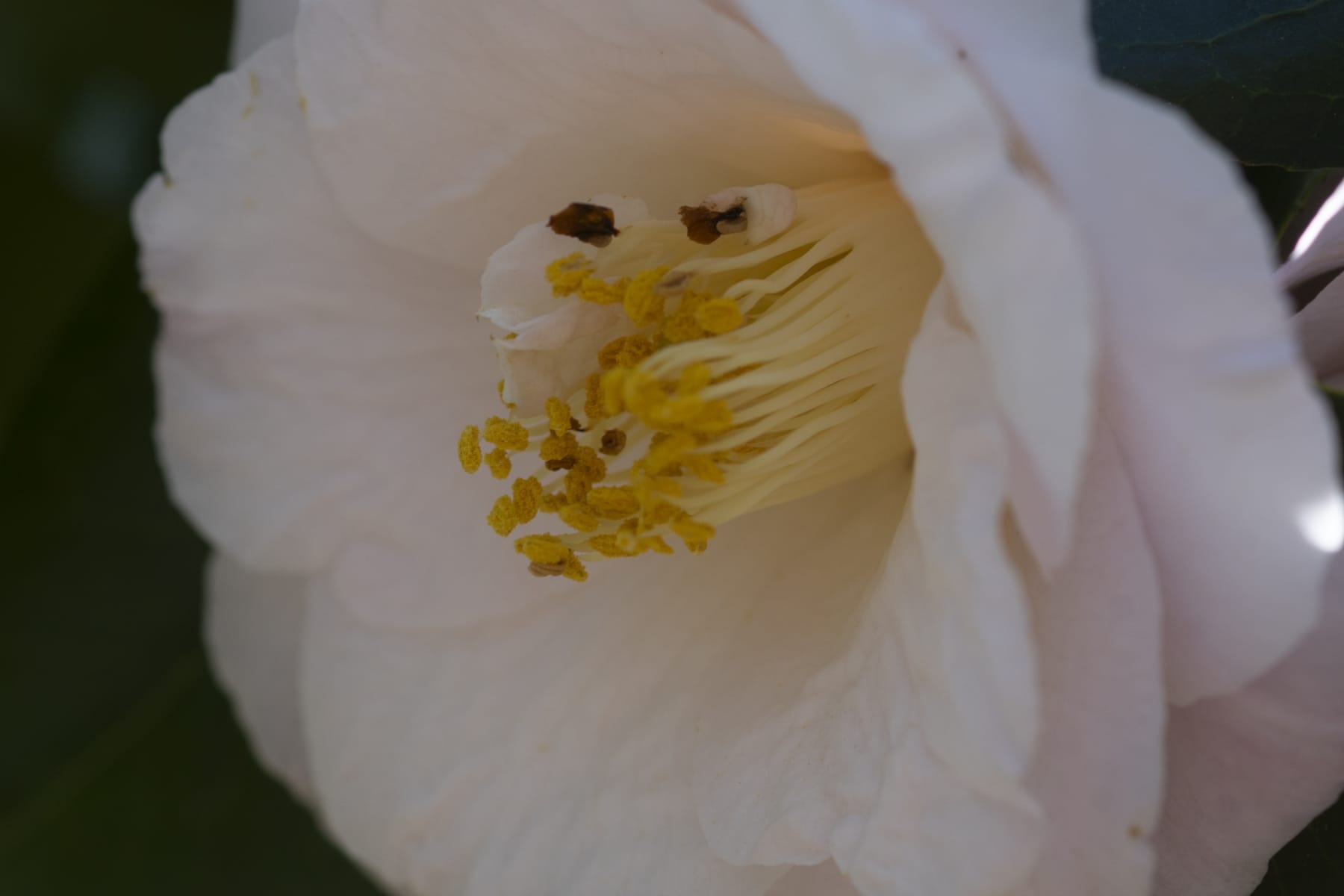
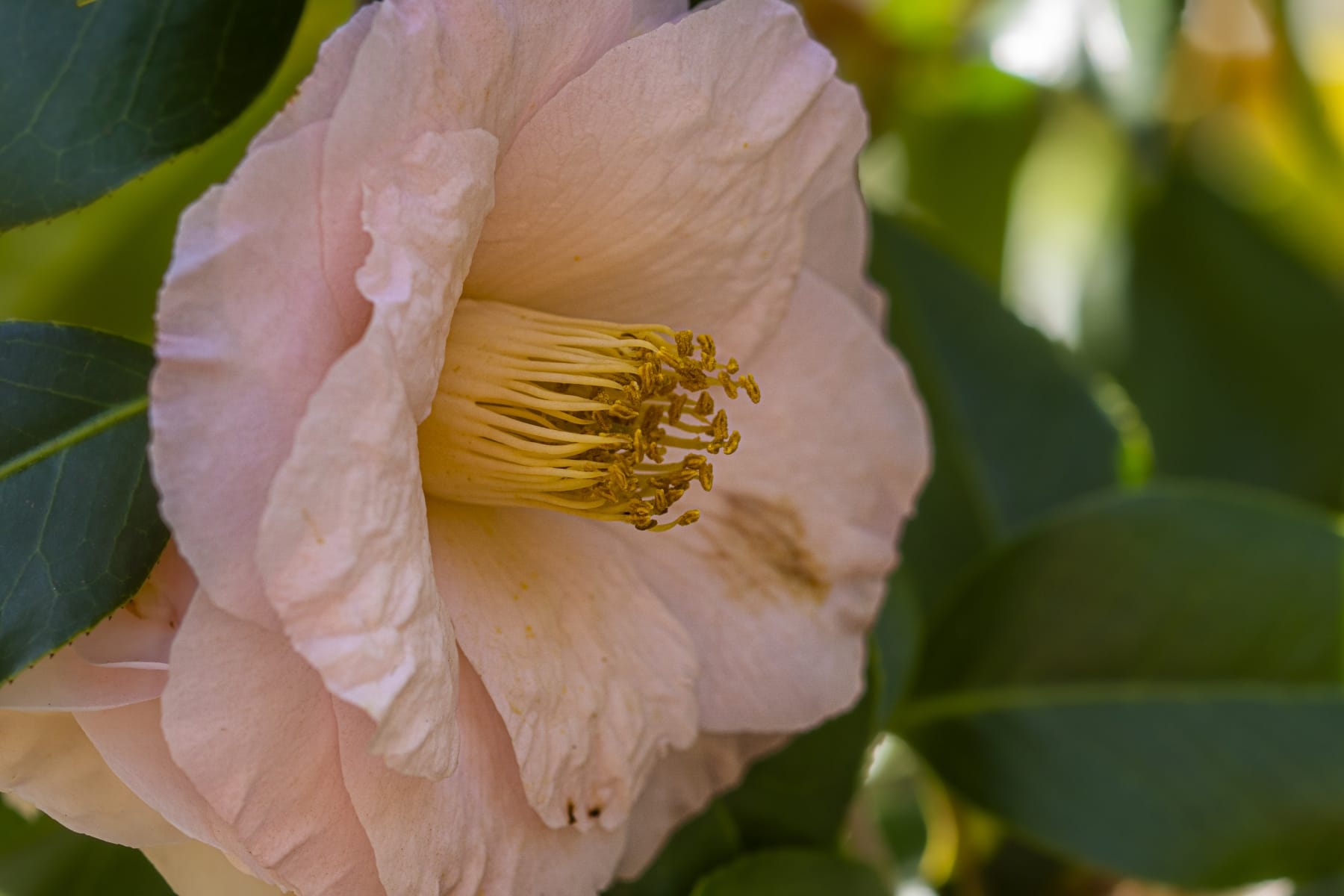
There’s something about these places that change the way you move through them. Or perhaps they simply call us to slow down long enough to really see. I try to embrace and seek the beauty and the distinctive details of any place I shoot. This is where my creative path has taken me most recently. I hope you enjoy it.


Wow Lewis, I really like this blog. I love the font it feels like I’m reading a hand written note just for me. I love what you wrote and the pictures you took. What a treat this was. Thank you for sharing and creating this. You are very talented in art, photography , and writing.
OMG Thank you, that’s high praise. It’s really appreciated and I’m glad you enjoyed it.