Finding beauty, decay, and unanswered questions in Yorklyn’s ruins


I visited Yorklyn De, where there are ruins and abandoned building galore to explore. Here is a place where the bones of industry still jut out from the earth like ruins of some long lost civilization. Hidden in the hills along Red Clay Creek, the village was once a thriving mill town, loud with machinery, smoke, and the constant churn of industry. Now it feels suspended somewhere between history and haunting. Brick walls crumbling and trees growing where they don’t belong. Rusted gears sleep in rooms and in fields. Empty windows stare out from buildings that no longer remember the names of the people who filled them. Naturally, I had to explore it. Places like this pull at me and call like a childhood whispered dare.
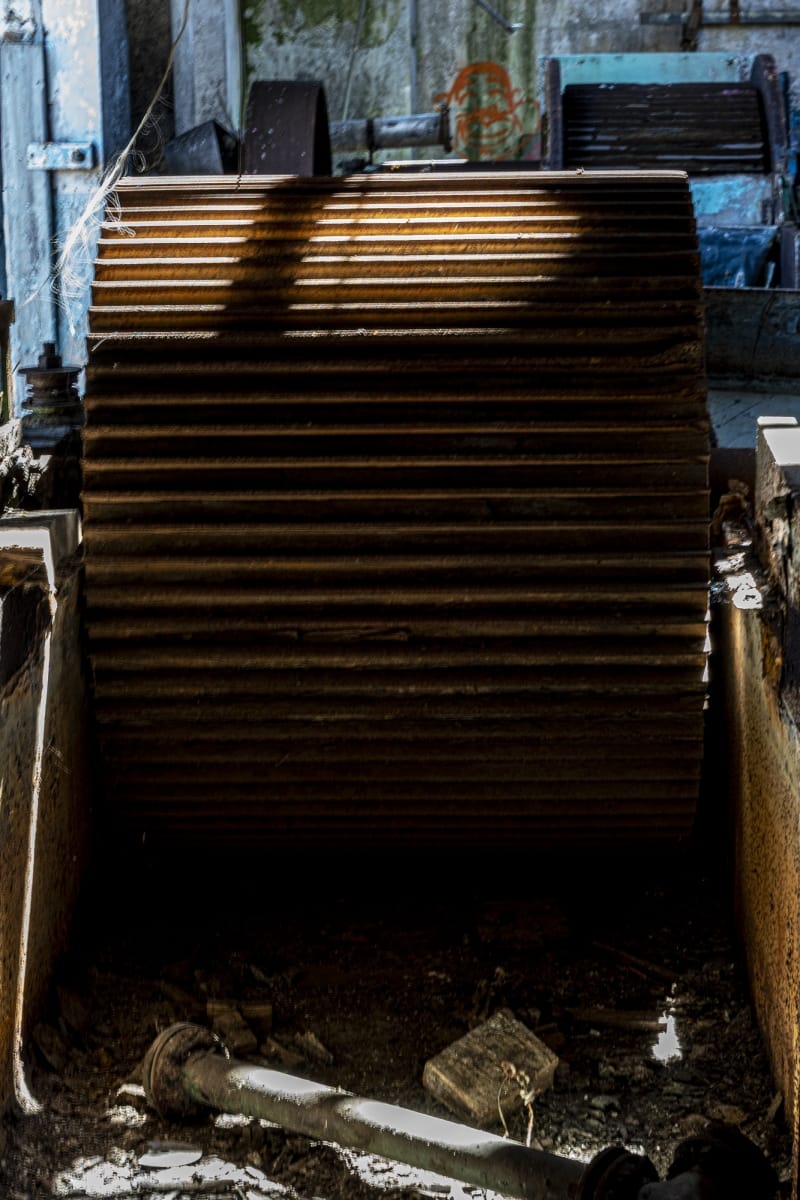
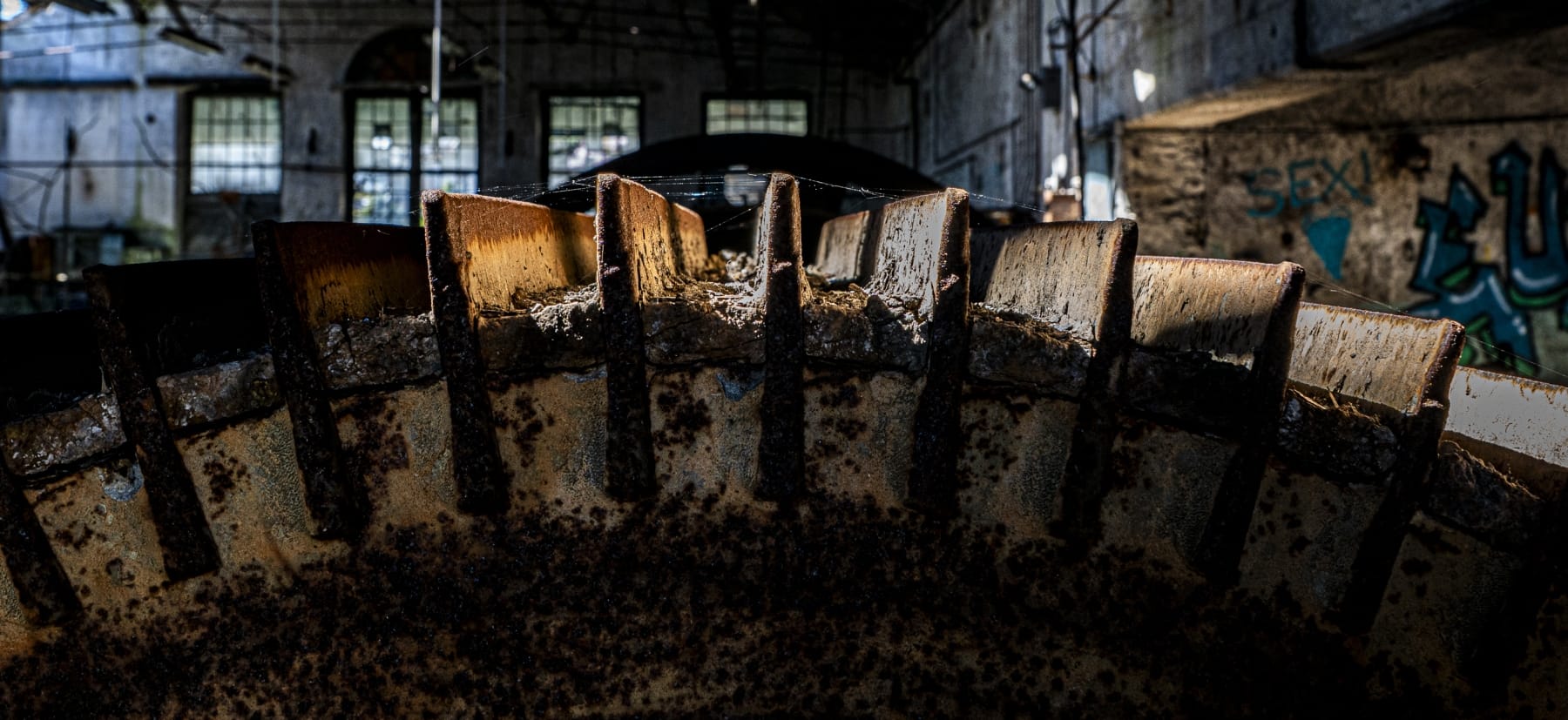
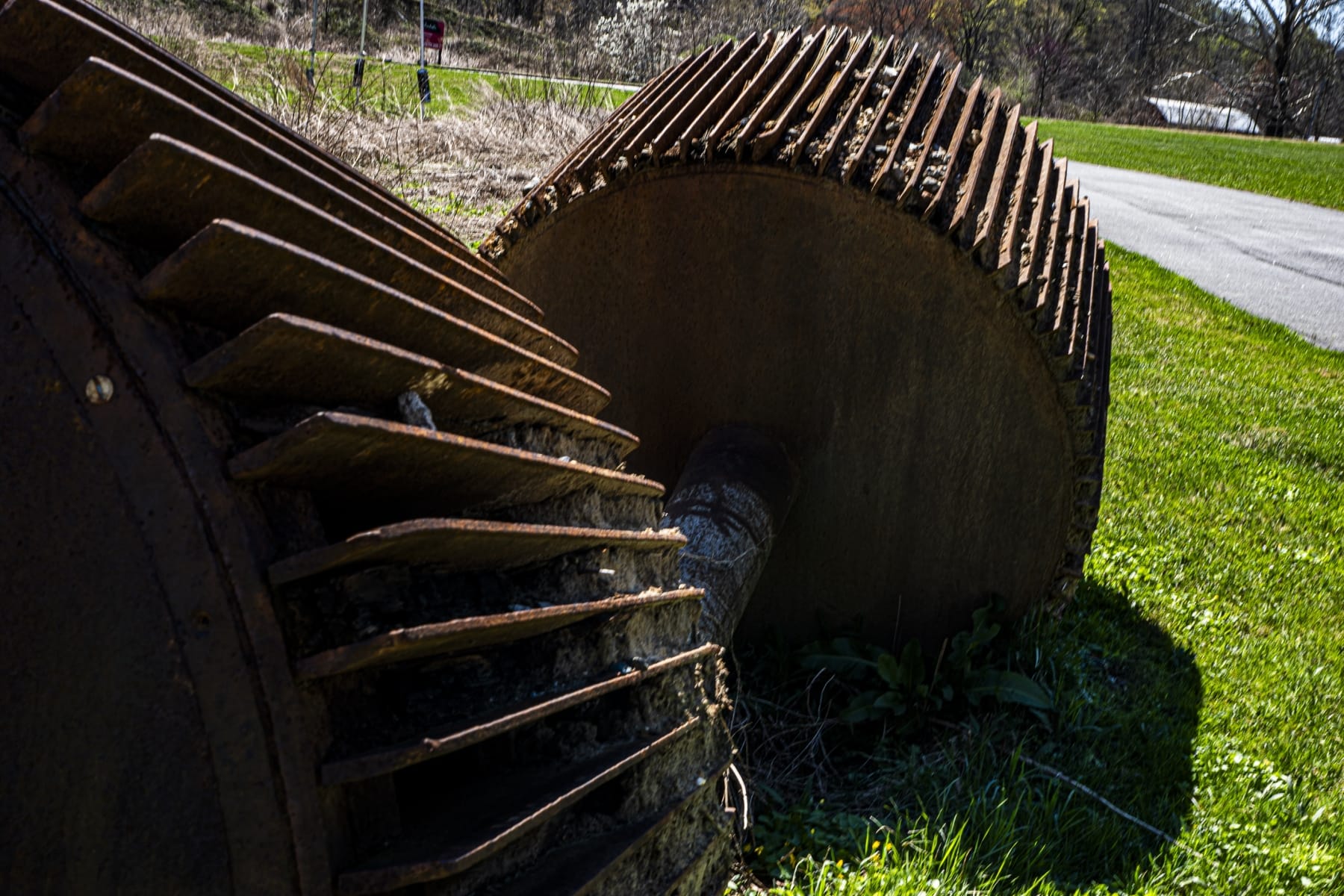
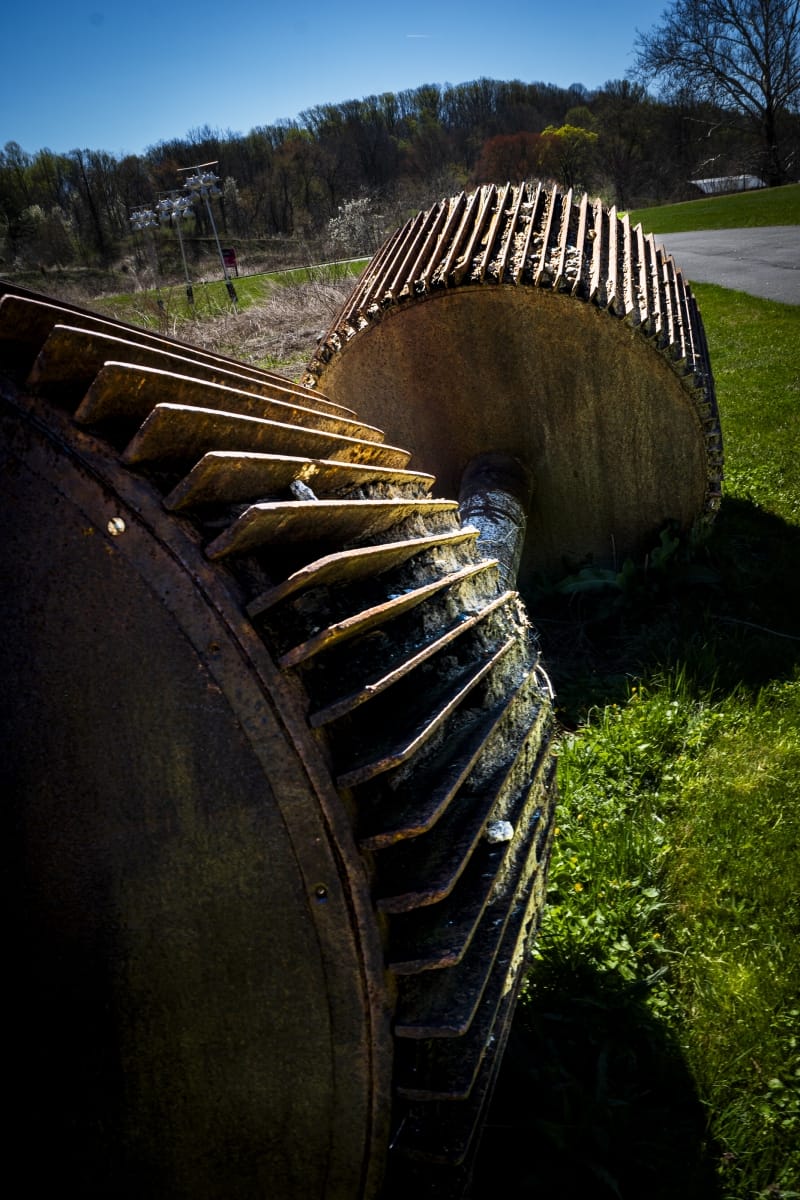
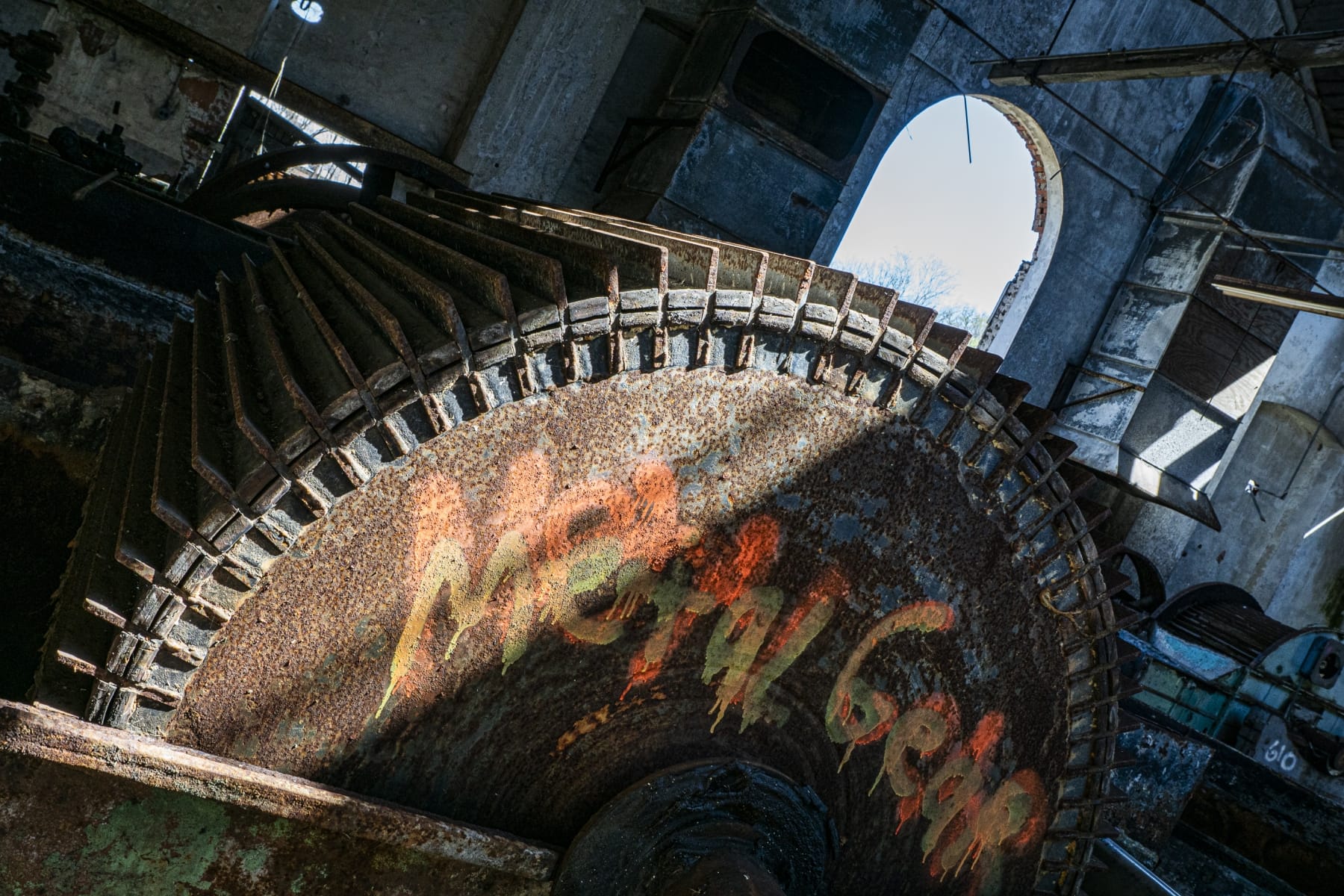
Our story begins in the early 1730s when John Garrett built several mills along the creek, including a grist mill that would become part of a family empire stretching across generations. The first mill was a snuff mill, and somewhere among the ruins I found enormous iron gears meandering in empty rooms and fields. I stood there wondering if those very teeth once crushed tobacco while workers moved through the haze of dust and steam. Soon fiber mills and paper mills joined the operation, and for nearly two centuries Yorklyn thrummed with industrial life.
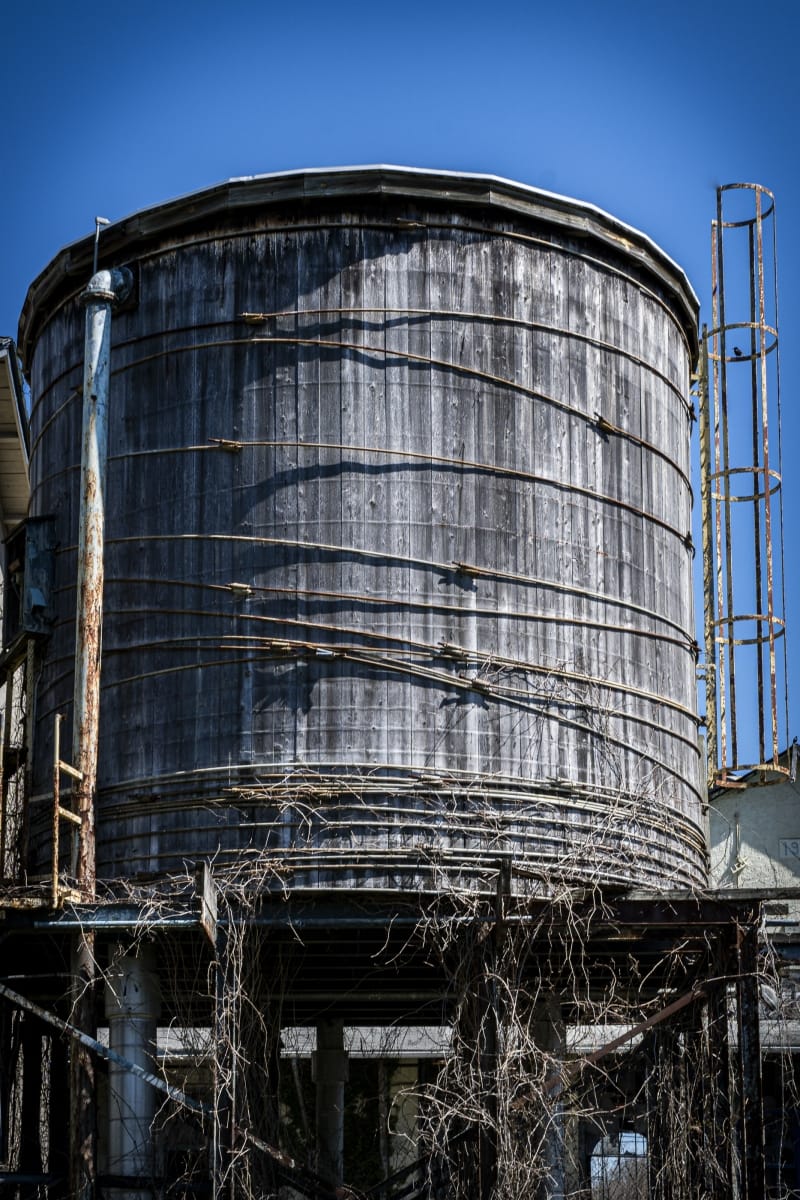
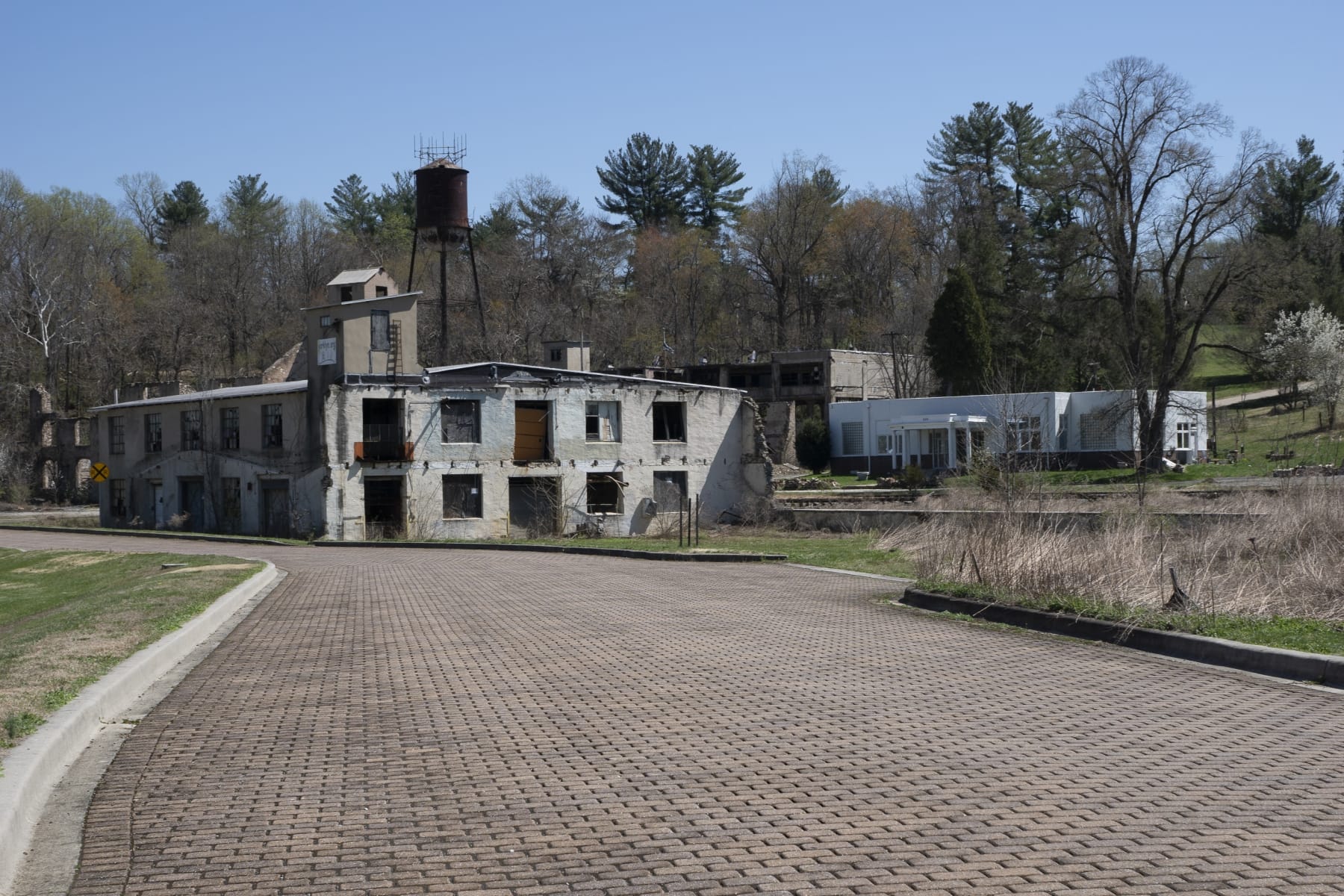
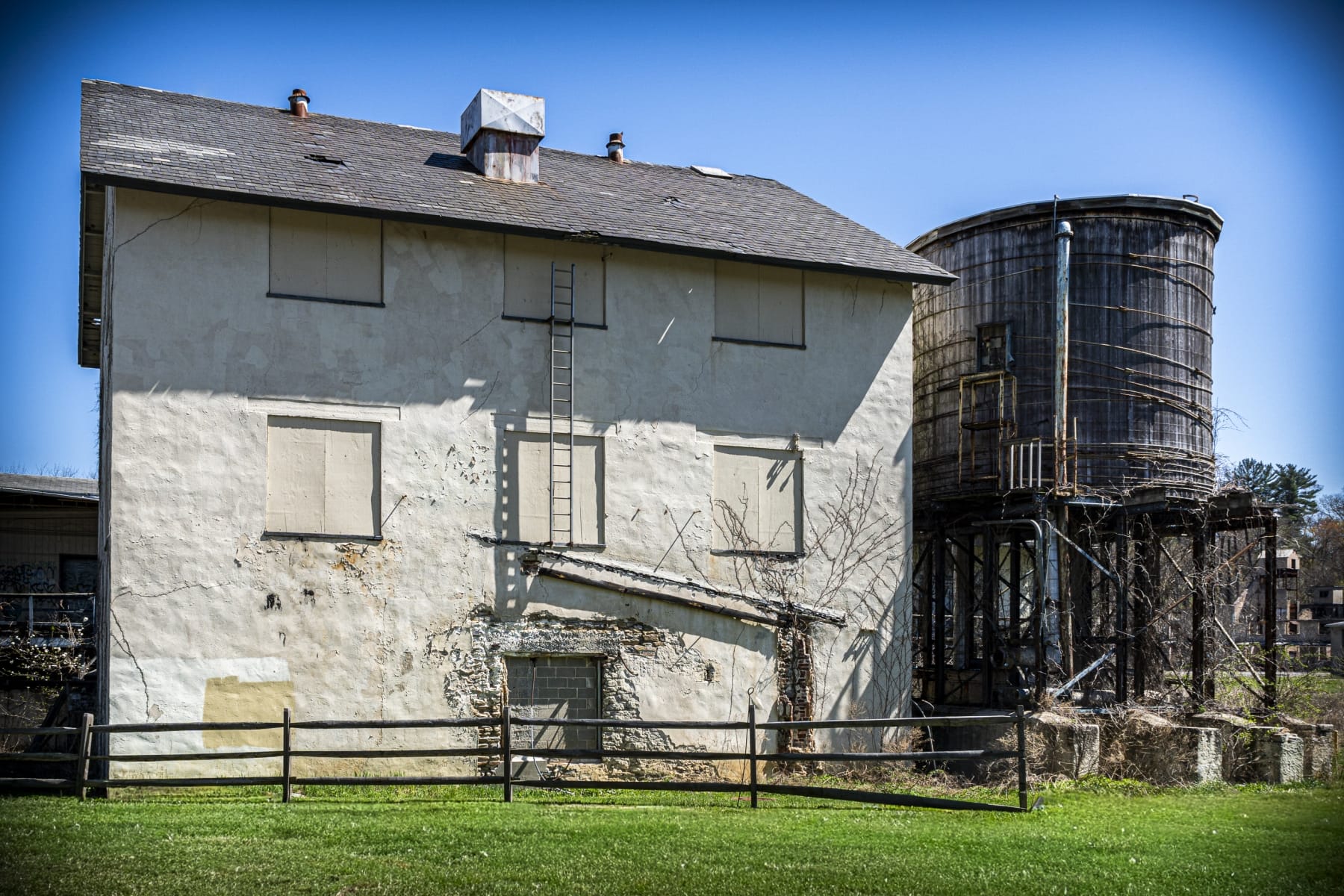
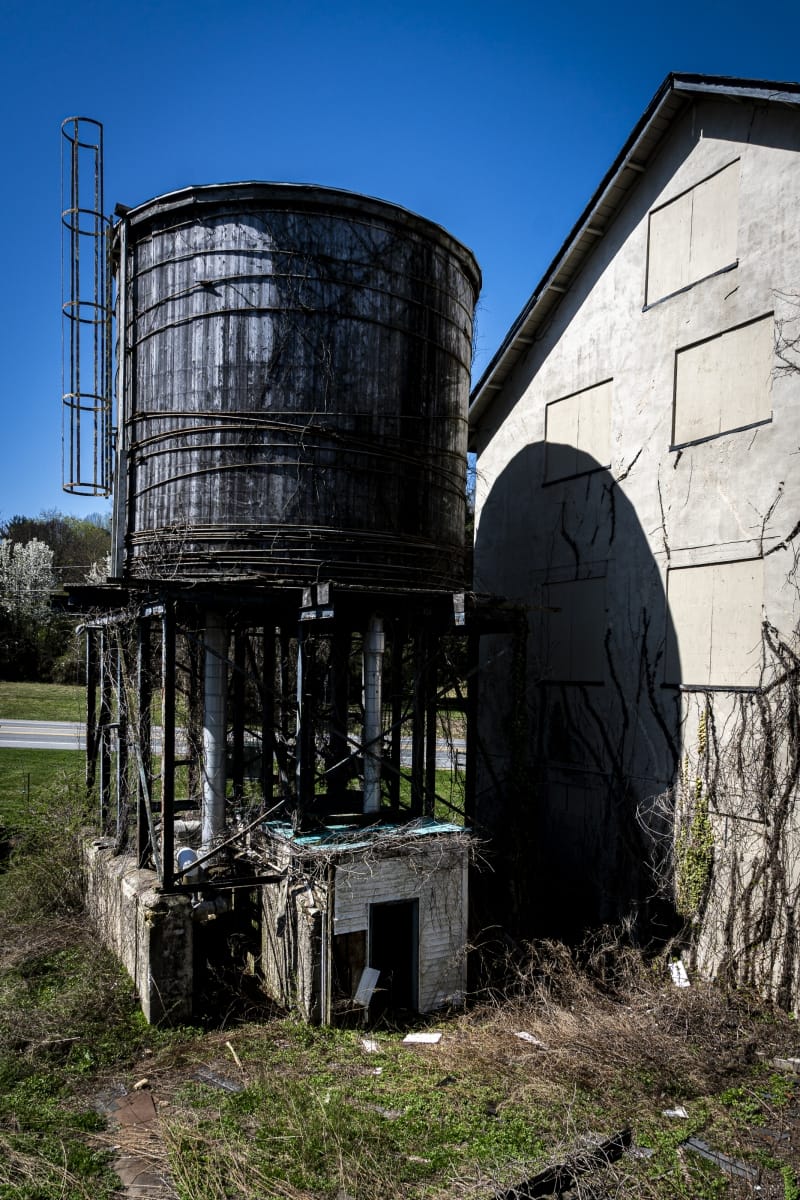
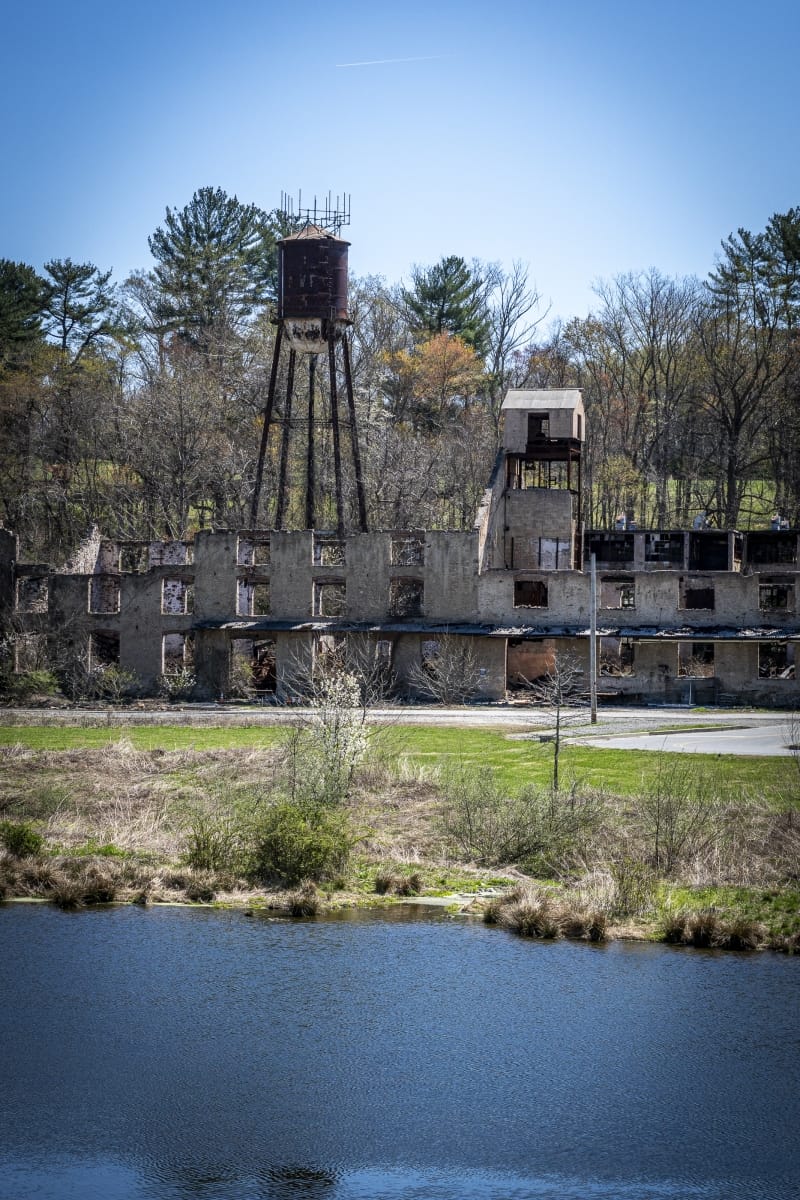
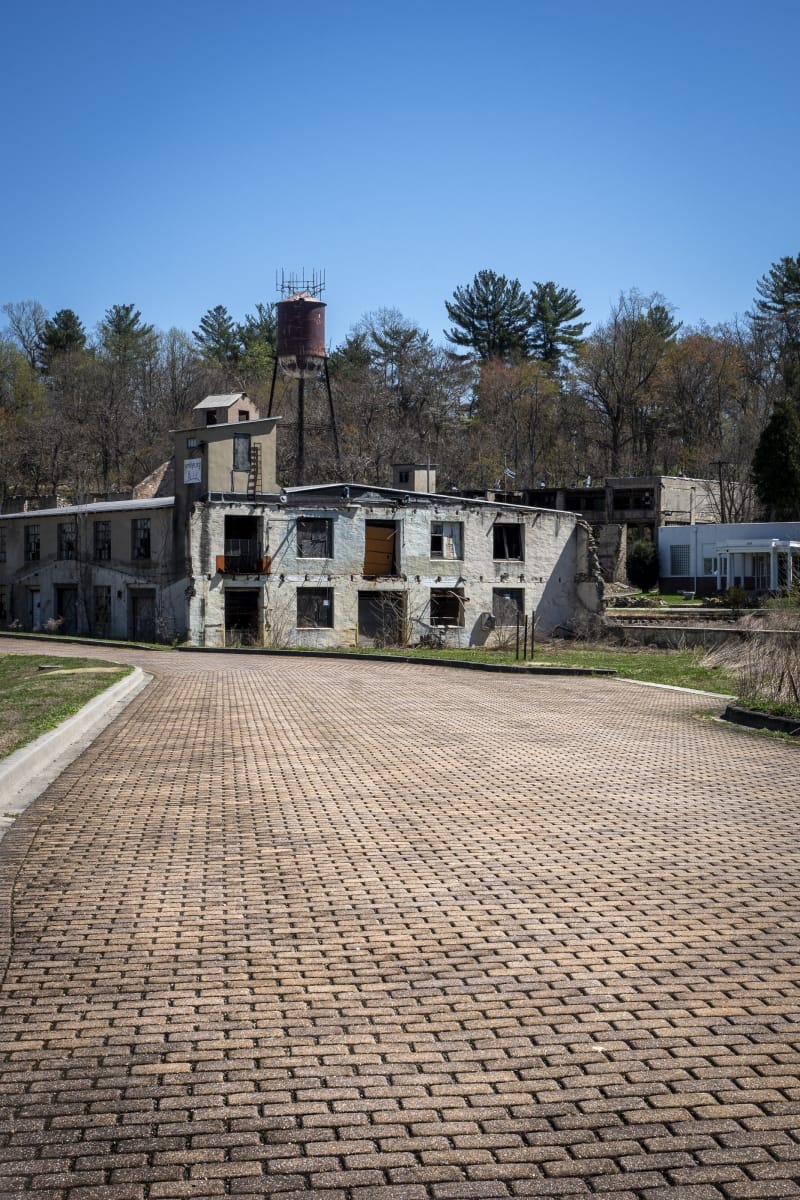
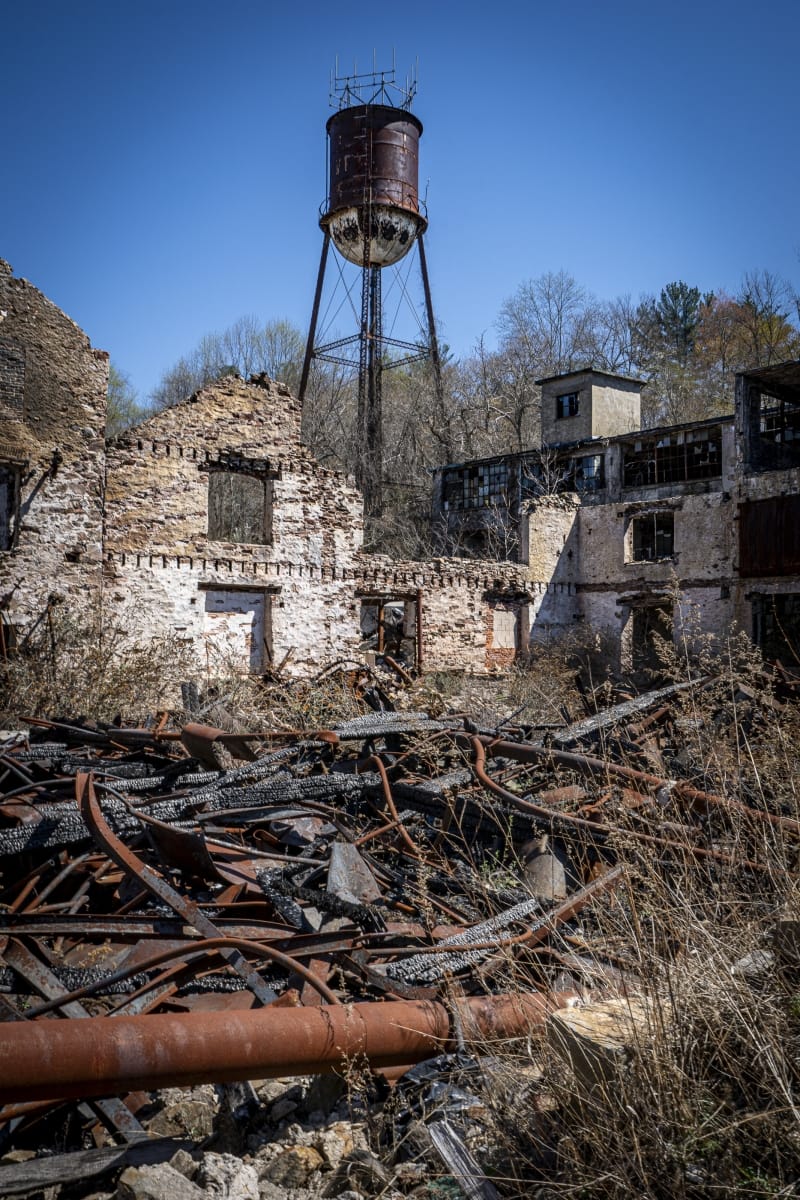
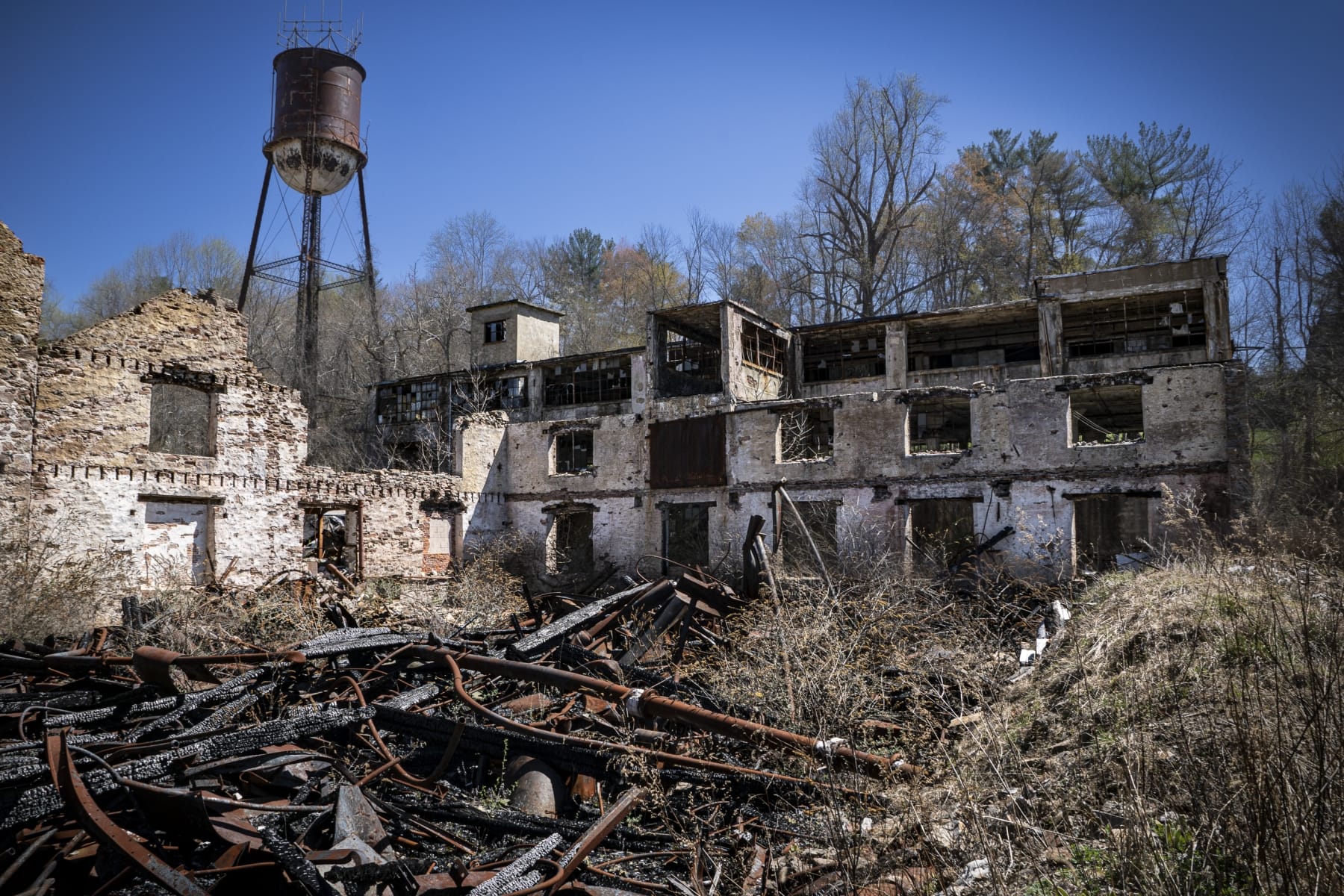
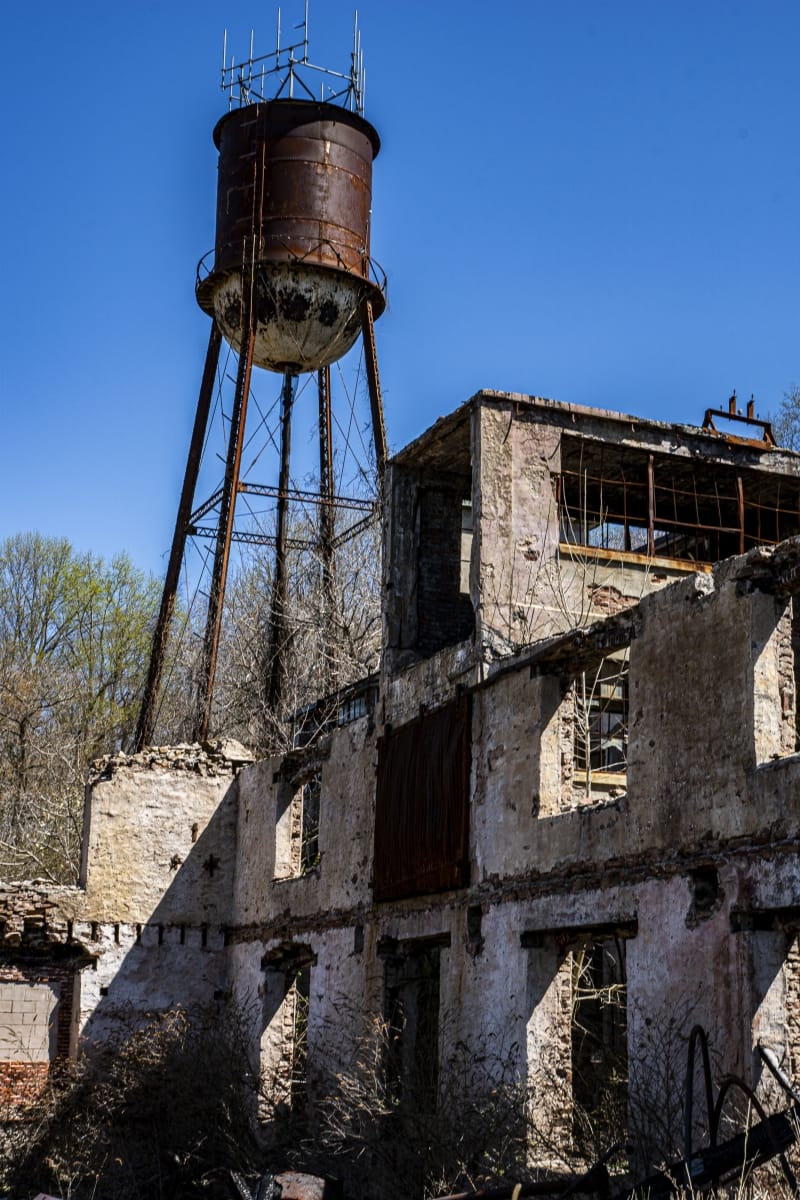
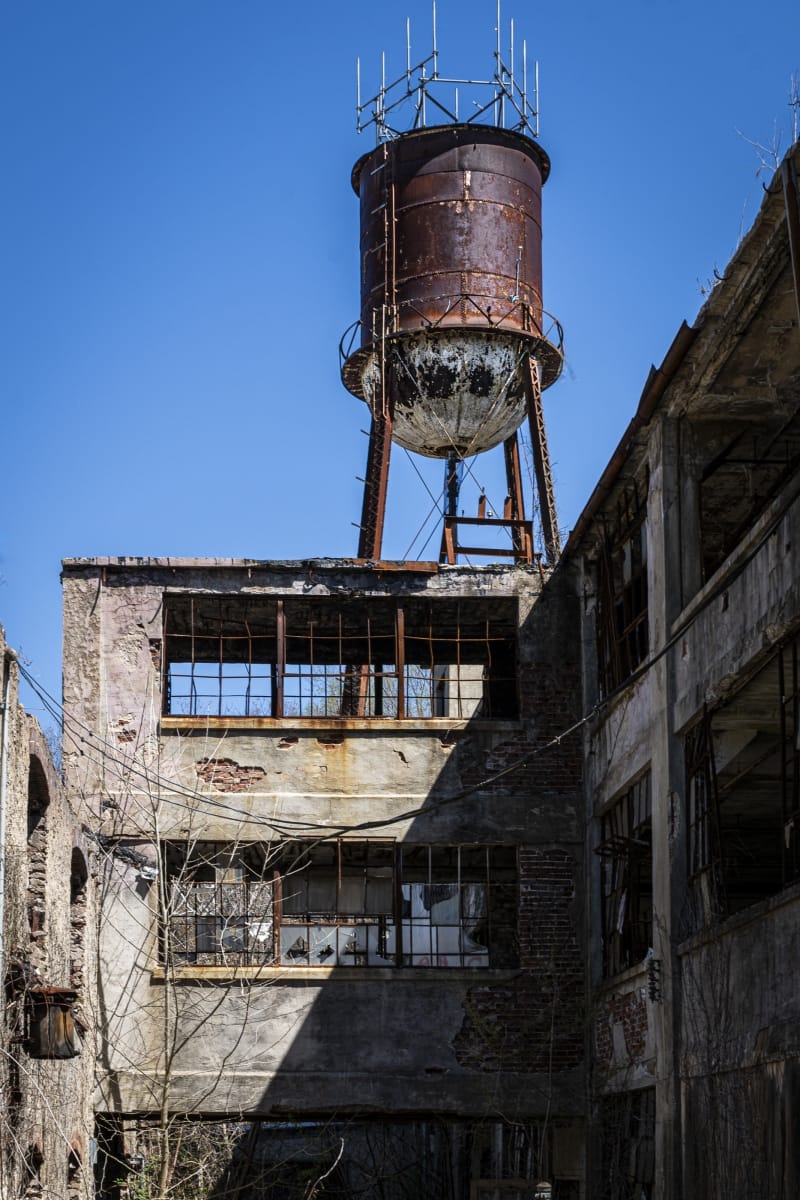
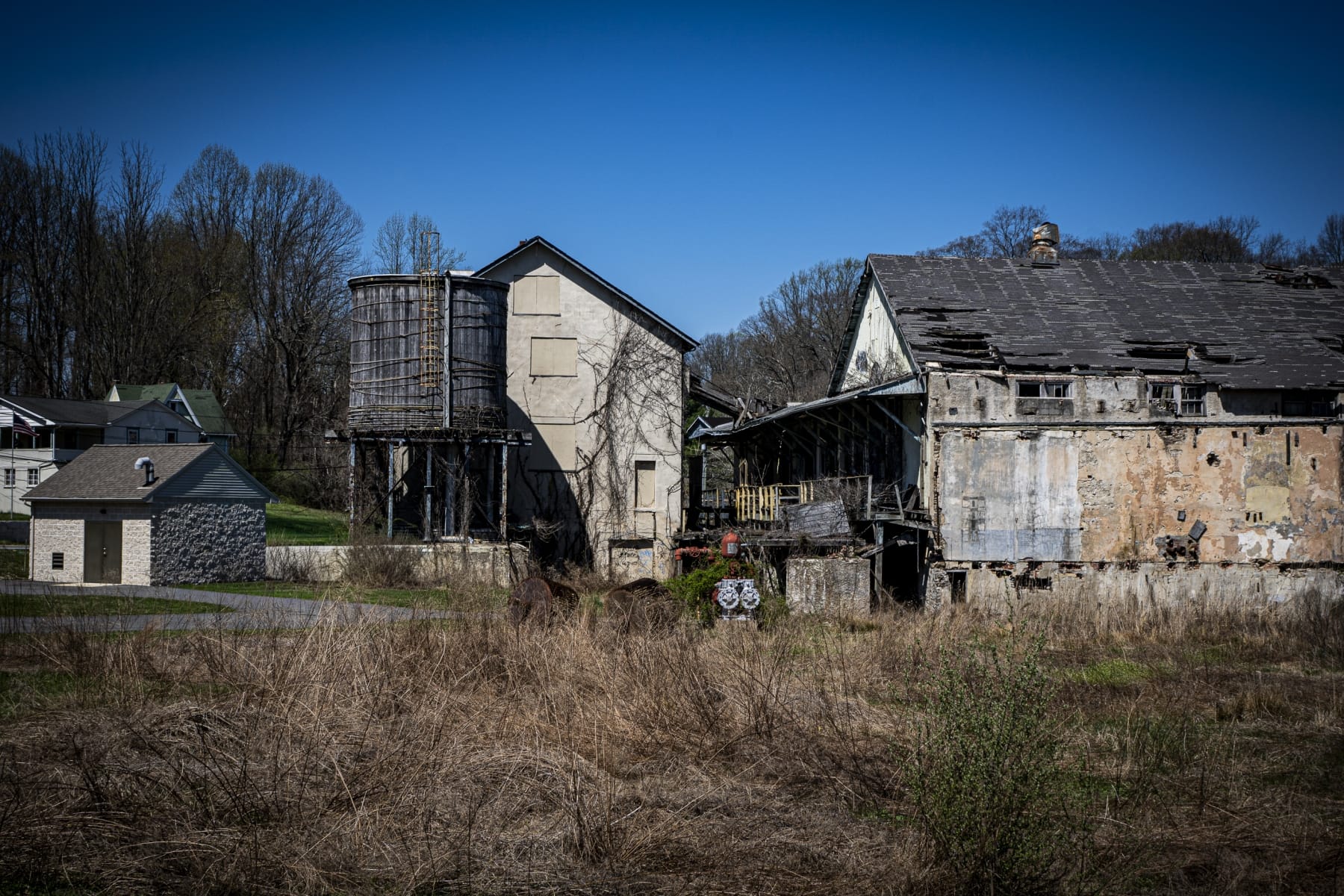
Now the silence feels almost suspicious and cynical. Walking through Yorklyn on foot is like moving through the backstage corridors of another century. The Marshall Brothers Paper Mill still looms over the creek with its hollow interiors and weathered stone. The remains of the National Vulcanized Fibre mills stretch out in fragments, their corridors leading nowhere. The old Garrett Snuff Mill stands with the stubbornness of a survivor, battered but refusing to disappear completely. Every ruin feels like it is hiding something just out of sight. Every doorway invites curiosity while quietly warning against it.
In 1895, William Garrett Jr, uninterested in continuing the family business, sold the company to three employees for the almost mythical price of one dollar. Within a few years, mergers transformed it into the Atlantic Snuff Company, and eventually the mills faded into decline. By the 1950s, the industrial heartbeat of Yorklyn had stopped entirely. The machinery was hauled away long ago, leaving behind empty shells that nature has been patiently reclaiming ever since. Trees split foundations. Vines climb the brickwork. Water creeps through roofs and abandoned passageways where sounds of industry once rattled day and night.
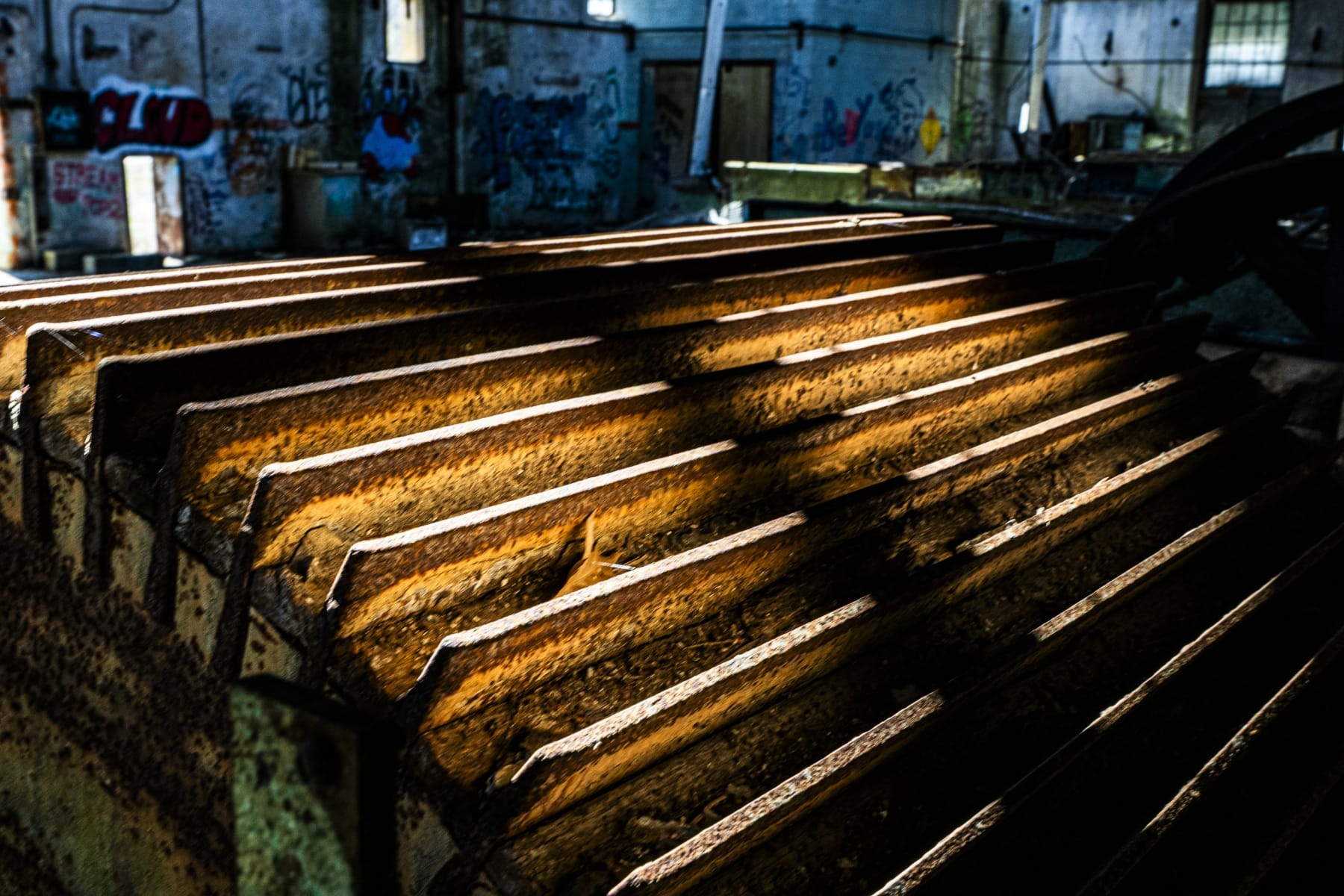
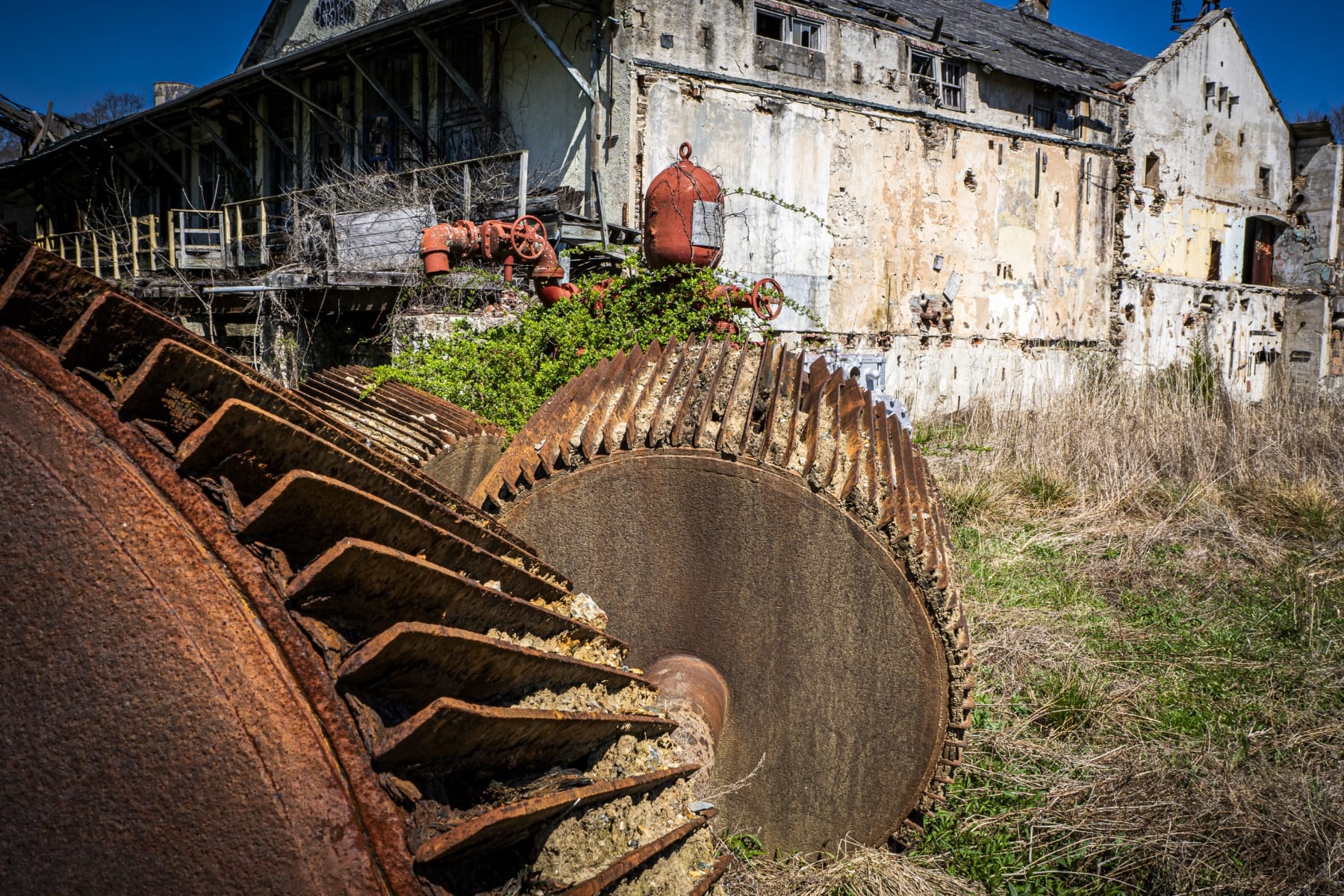
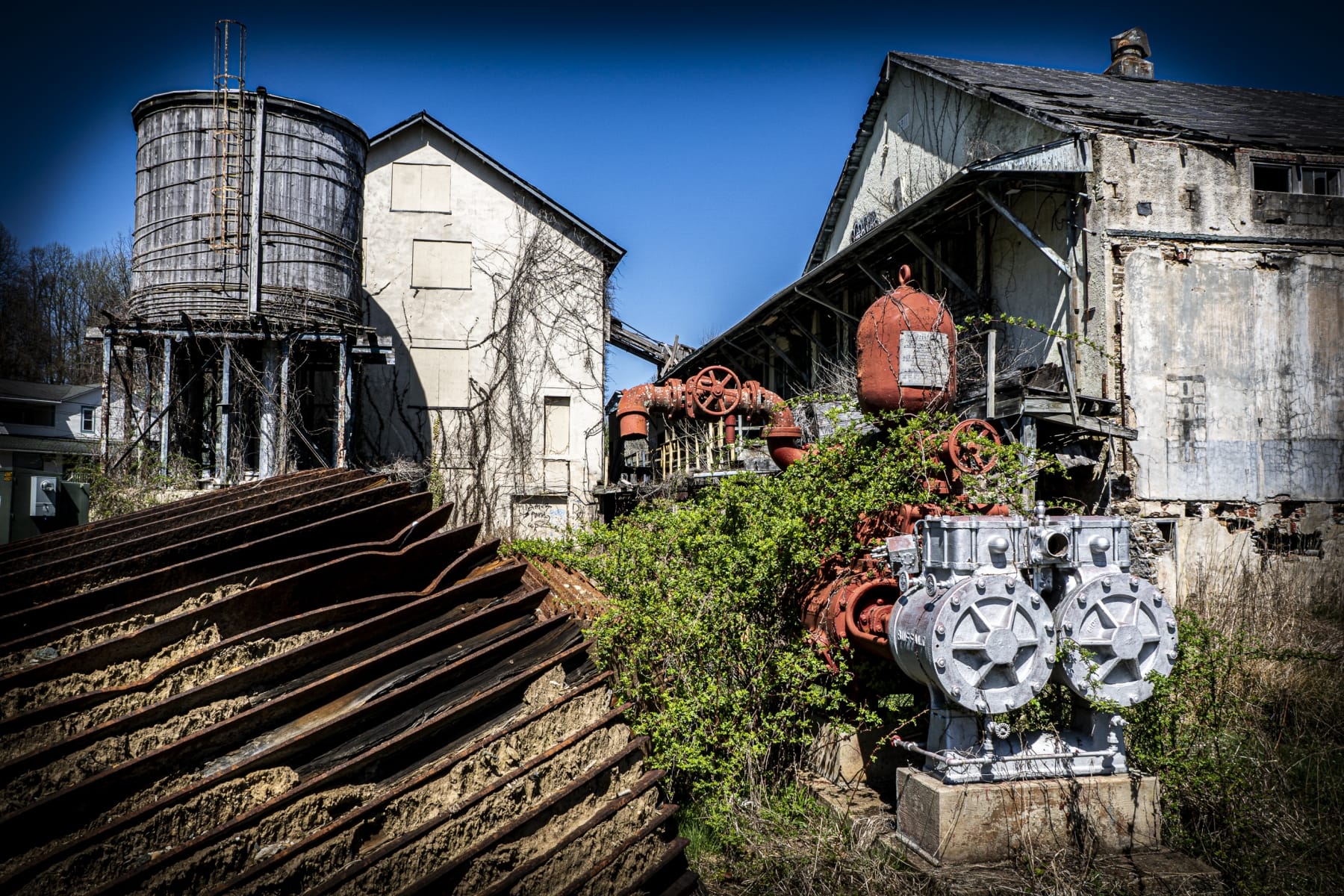
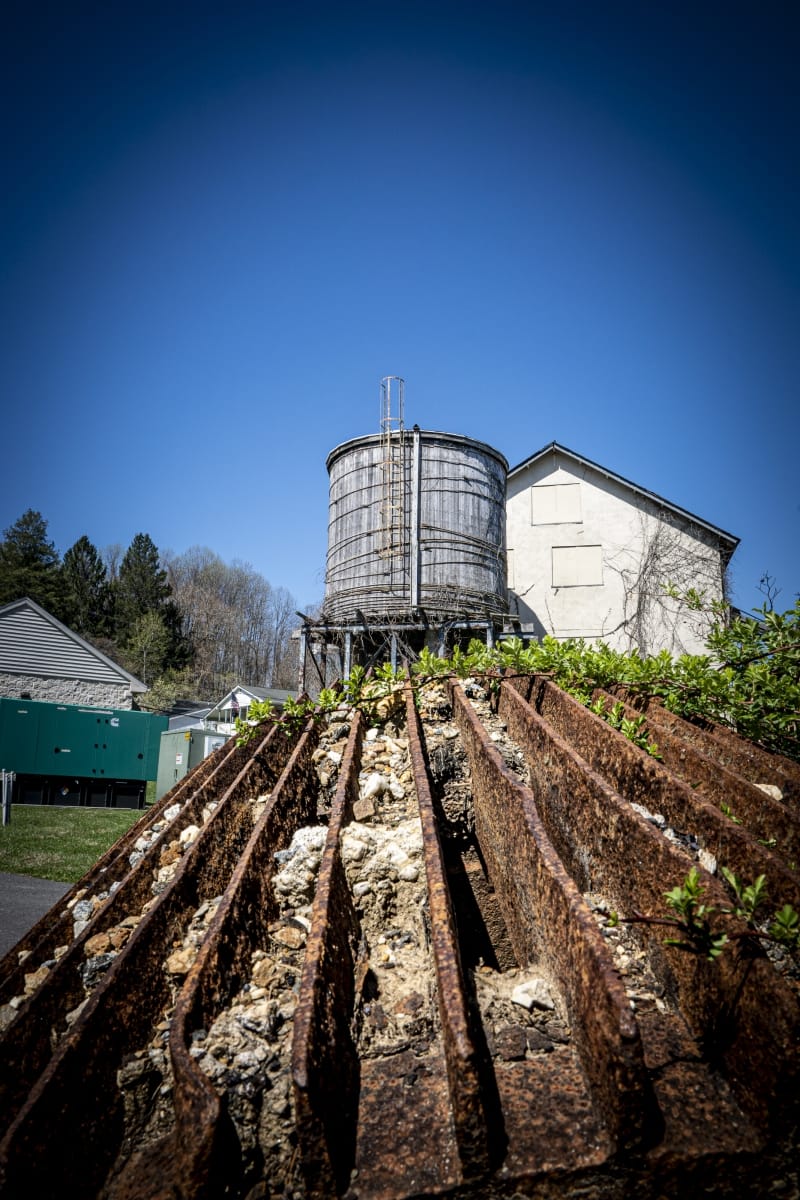
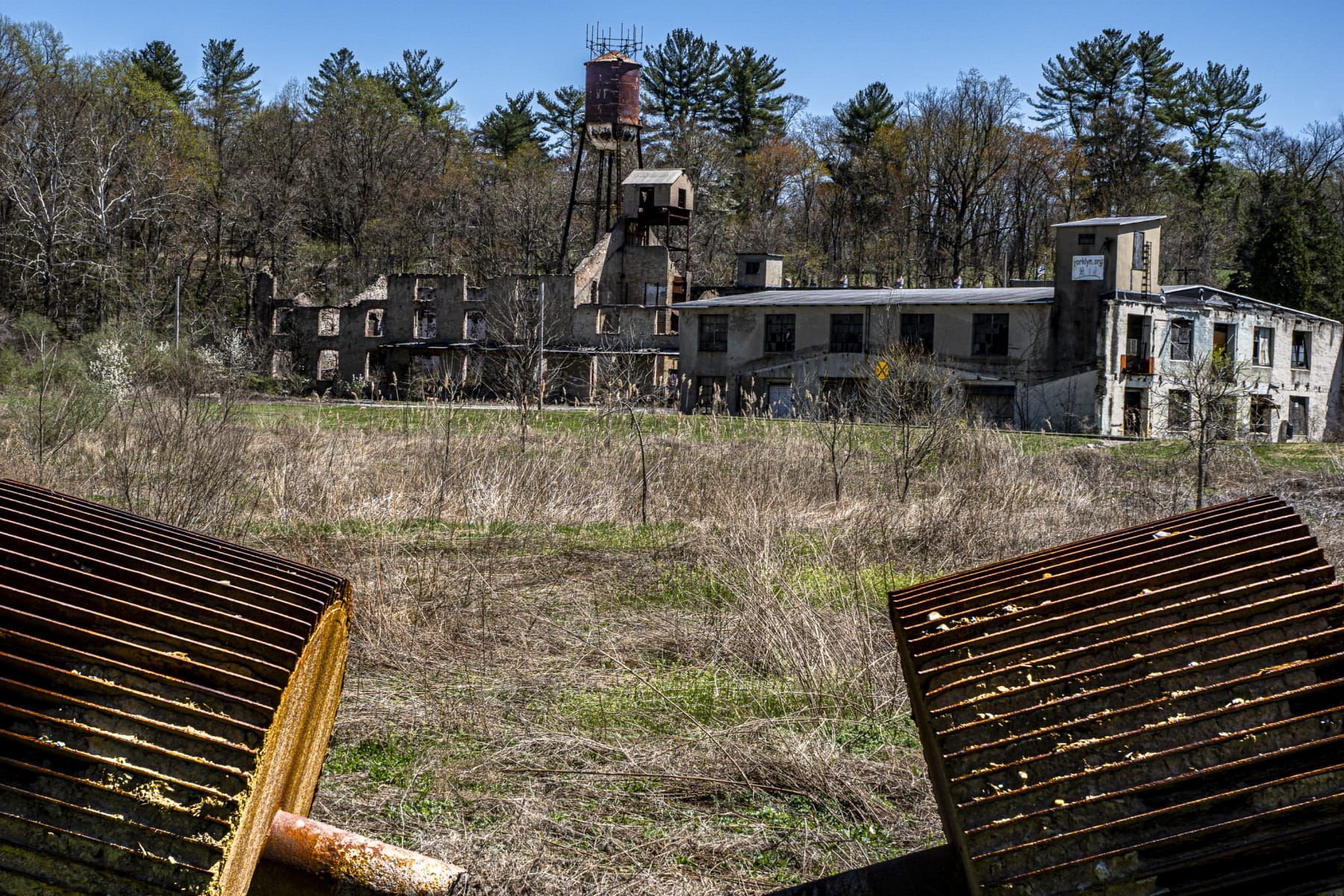
And yet Yorklyn refuses to become a ghost town completely. There are signs of revival scattered among the ruins. Restoration projects. A brewery operating inside one of the old industrial buildings like a lantern lit inside a crypt. The town is trying to preserve its industrial past instead of burying it. That tension is what makes Yorklyn so fascinating to me. It exists in two worlds at once: part forgotten ruin, part resurrection project.
I think that is why I’m drawn to places like this. Abandoned mills, decaying factories, forgotten roads. They feel honest in a way polished places often do not. Time leaves its fingerprints everywhere. The walls sag. The paint peels. Bricks crumble and turn into dust. Nature creeps back in through every crack. Yet beneath the decay there are still echoes of the people who built these places, worked here, argued here, spent entire lives here. Exploring Yorklyn felt less like visiting a historic site and more like wandering through the afterimage of an American dream that never fully disappeared along my creative path.